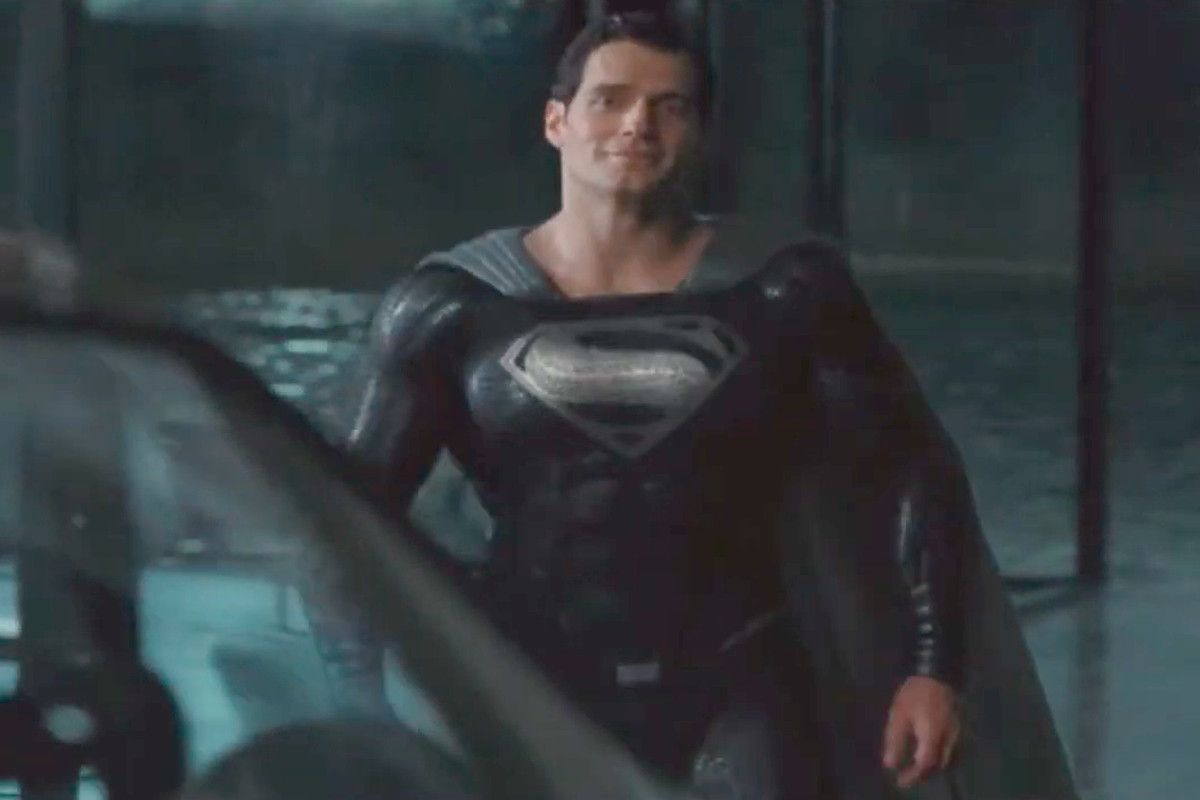
Let's be real: most director's cuts are just a marketing ploy to sell a few more Blu-rays with five minutes of grainy, deleted footage. But Zack Snyder’s Justice League is different. It’s a four-hour anomaly that basically broke the internet and changed how we think about studio power forever.
You’ve probably heard the story. In 2017, Zack Snyder had to walk away from the original production because of a massive family tragedy. Warner Bros. brought in Joss Whedon to "finish" it, and the result was... well, it was a mess. It felt like two different movies fighting each other. One was dark and operatic; the other was full of quips about brunch. It flopped. Fans spent years screaming #ReleaseTheSnyderCut, and against all odds, they actually got it in 2021.
But here we are in 2026, and people are still arguing about it. Was it actually good? Or was it just a very expensive victory lap? Honestly, looking back at it now, the movie is a fascinating piece of art precisely because it refuses to be "normal."
Why the "Square" Aspect Ratio Isn’t a Mistake
One of the first things that trips people up is the screen. When you hit play, you see big black bars on the sides. You might think your TV is broken or you’ve accidentally downloaded a version from the 90s.
It’s actually the 1.33:1 aspect ratio. Basically, a big square.
Snyder shot it this way because he wanted to preserve the full verticality of the frame for IMAX. He’s obsessed with the height of heroes. If Superman is flying, he’s vertical. If Wonder Woman is standing on a statue, she’s vertical. Widescreen actually cuts off the top and bottom of the image. By keeping it "boxy," you’re seeing more of the original 35mm negative than you ever did in the theatrical version. It makes the movie feel less like a modern blockbuster and more like a classic epic from the 40s. Or a very, very high-budget indie film.
The Cyborg Difference
If you only saw the 2017 version, you probably thought Cyborg was just "the tech guy." In the Snyder Cut, he’s the heart of the entire story.
Ray Fisher’s performance is actually the backbone of the film. We get his whole backstory—the accident, his mother, the resentment toward his father. It’s heavy stuff. It’s also where the movie earns its four-hour runtime. Without those scenes, the final battle doesn't have any stakes. When Victor Stone says, "I'm not broken, and I'm not alone," it actually means something because we've seen him at his lowest.
What Really Happened With the "Knightmare"
Then there’s the ending. That weird, dusty sequence with Batman and Jared Leto’s Joker.
A lot of people think this was always part of the plan. Not exactly. Snyder actually shot that scene in his backyard and at a small studio during the pandemic, long after the original production ended. It was a gift to the fans. It sets up a sequel that, frankly, we’re probably never going to see given the current state of DC Studios under James Gunn.
But it serves a purpose. It shows the "Knightmare" future where Darkseid wins and Superman turns evil after the death of Lois Lane. It’s grim. It’s metal. It’s very Snyder.
The 2026 Reality: Is the Snyderverse Dead?
The elephant in the room is whether this version of the characters will ever come back. As of early 2026, the industry is a bit of a circus. With Warner Bros. Discovery splitting its operations and Netflix hovering around for a potential acquisition of the back catalog, the "Restore the Snyderverse" movement hasn't quite given up.
But let's look at the facts. James Gunn is currently building a new DC Universe from the ground up. Henry Cavill is out. Ben Affleck is out.
The Snyder Cut exists as a closed loop. It’s a "what if" that actually became a "here it is." It's a reminder that sometimes the fans have more leverage than the suits in the boardroom, even if that leverage only works once.
Actionable Insights for Your Next Rewatch
- Watch it in chapters. The movie is divided into six parts and an epilogue. Treat it like a miniseries. Don't try to power through four hours in one sitting unless you’ve got a lot of snacks and a very comfortable chair.
- Pay attention to the score. Tom Holkenborg (Junkie XL) replaced Danny Elfman’s 2017 music. The new themes for Wonder Woman and the League are much more aggressive and fit the scale of the movie.
- Look for the "Black and White" version. There’s a version called "Justice Is Gray." If you want to really lean into the "art house superhero" vibe, that's the way to go. It highlights the textures and the lighting in a way the color version sometimes hides.
- Check the background for Darkseid. In the theatrical cut, he was barely a whisper. Here, he’s the looming threat. The history lesson scene (the flashback to the first invasion) is completely different and features a younger, more brutal version of the villain.
Ultimately, Zack Snyder’s Justice League isn't just a movie; it's a historical document of a very specific, very weird time in Hollywood history. Whether you love the grit or hate the length, you can't deny it has a soul. That's more than you can say for most of the "content" we get these days.


