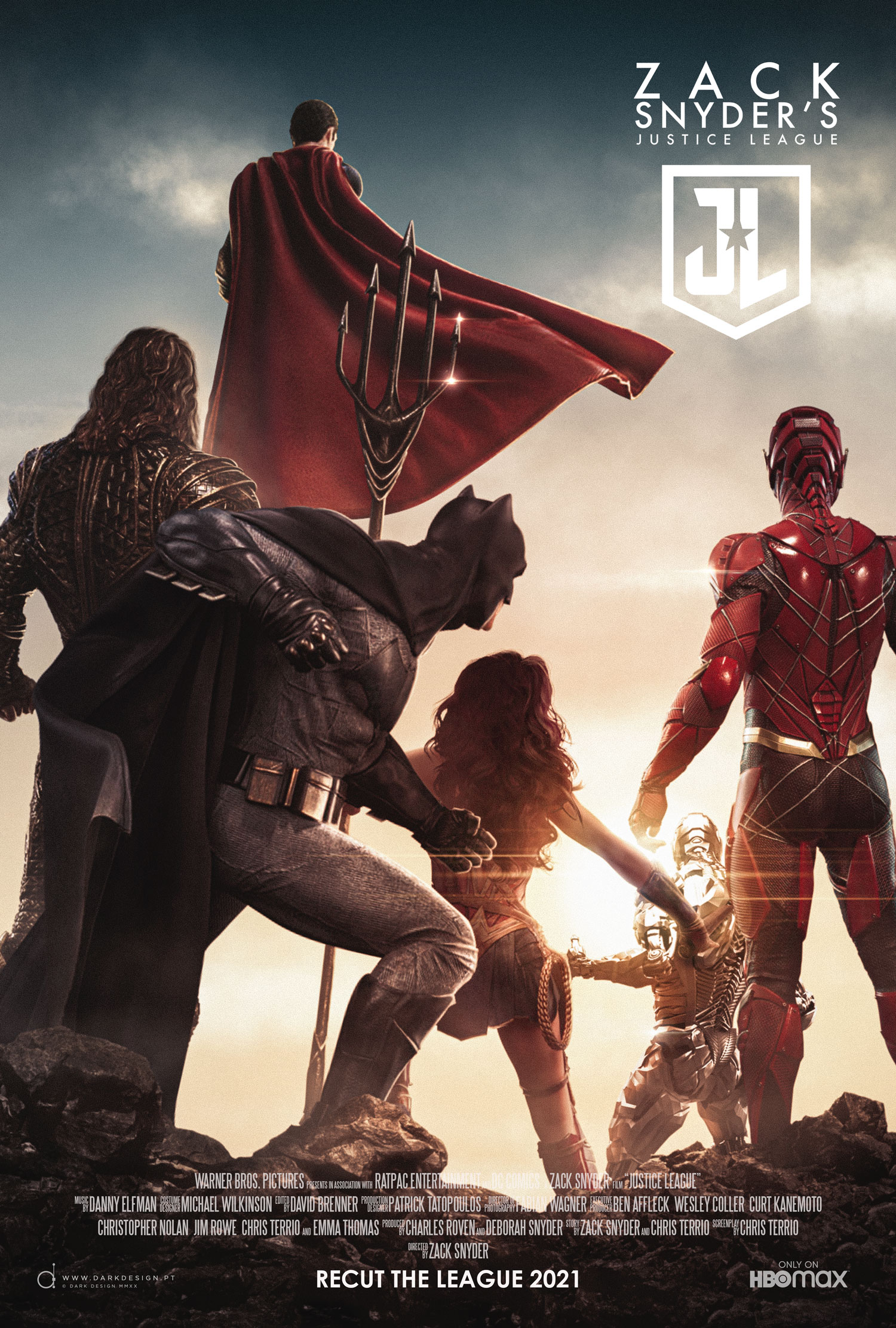
You’ve probably seen the grainy photos or the colorful recreations floating around the dark corners of Reddit. Twelve whiteboards. A whole lot of Jim Lee sketches. And a plot that feels more like a Greek tragedy than a Saturday morning cartoon. Honestly, the Zack Snyder Justice League 2 and 3 storyboard collection is one of the weirdest artifacts in Hollywood history. It’s a roadmap for a cinematic universe that basically died, was resurrected for four hours on Max, and then got shelved again.
But here’s the thing: most people talking about these storyboards are actually looking at a "Version 1.0" that Snyder himself admits was already changing before he even left the original production.
The Knightmare isn't just a dream
Let’s get the big one out of the way. The "Knightmare" future—that dusty, post-apocalyptic wasteland where Batman wears a trench coat and Superman has gone full dictator—wasn't just a cool cameo. It was the entire setting for the third movie.
Basically, the storyboards lay out a domino effect of misery. In Justice League 2, Lex Luthor teams up with a "Legion of Doom" consisting of Dr. Poison, Black Manta, and Orm. While the League is busy being heroes, Lex discovers the Anti-Life Equation. But he doesn't use it. Instead, he hands it to Darkseid.
The turning point? Darkseid boom-tubes into the Batcave. Batman freezes. Darkseid kills Lois Lane.
That’s the moment everything breaks. Superman, shattered by grief, loses his "humanity" and becomes susceptible to the Anti-Life Equation. He becomes Darkseid’s ultimate weapon. He kills most of the League. Wonder Woman dies in Themyscira. Aquaman dies in the throne room of Atlantis. It's bleak.
The Bruce and Lois "Situation"
If you want to know why Warner Bros. originally balked at this, look no further than the Bruce/Lois romance. In the original storyboards exhibited at the "Dreamscapes" exhibit in Dallas, Bruce and Lois actually have a brief romantic entanglement after Clark’s death.
Lois gets pregnant. She tells Bruce he isn't the father. (Spoiler: He was.)
By the time we get to the Zack Snyder Justice League 2 and 3 storyboard climax in the final film, Barry Allen travels back in time to tell Bruce, "She lied. You are the father." This gives Bruce the motivation to sacrifice himself, jumping in front of Darkseid’s Omega Beams to save Lois.
It’s worth noting that Snyder has since said the studio vetoed the romance, so in the version of the "Snyder Cut" we actually watched, the baby is definitely Clark’s. But the storyboards keep that DNA of Batman’s sacrifice as the ultimate redemption.
Justice League 3: The Total War
The third movie was meant to be the "all-out war" chapter. After Flash resets the timeline, the entire world unites. We’re talking the Greek Gods coming back, the Amazons, the Atlanteans, and the Green Lantern Corps finally showing up to help.
The storyboards describe a scene where the "entire world" becomes a Justice League. It’s a massive, scale-tipping battle that ends with Batman’s death.
- The Epilogue: 20 years later, Lois takes her son—who is actually Bruce’s son in the original boards—to the Batcave.
- The Mantle: The kid becomes the new Batman. Gotham has a protector again.
- The Legacy: Clark knows the truth, but he raises the boy as his own, honoring the man who saved his "world."
Why it likely won't happen (but why it matters)
With James Gunn now heading up the DCU, the chances of seeing these storyboards turned into 300 million dollar movies are essentially zero. However, they remain a fascinating look at "what could have been." They show a filmmaker trying to treat superheroes like mythological figures who suffer, fail, and eventually transcend.
If you're looking to dive deeper into this, your best bet is to track down the high-resolution recreations of the "Dreamscapes" whiteboards. They offer a panel-by-panel breakdown of the dialogue and the specific beats for characters like The Riddler—who was supposed to be the one who actually solved the Anti-Life Equation before taking his own life.
The real takeaway? These storyboards weren't just a sequel plan; they were an ending. Snyder wasn't trying to make a franchise that lasted forever. He was trying to write a five-film epic with a definitive "The End." In a world of endless sequels, that’s kinda rare.
Next Steps for Fans: If you want to see the visual DNA of these plans, check out the Justice League: Mayhem fan-colorizations of Jim Lee's original sketches. You can also look for the "Dreamscapes of Zack Snyder's Justice League" exhibit archives online, which contain the full text of the twelve whiteboards that outline this entire trilogy.


