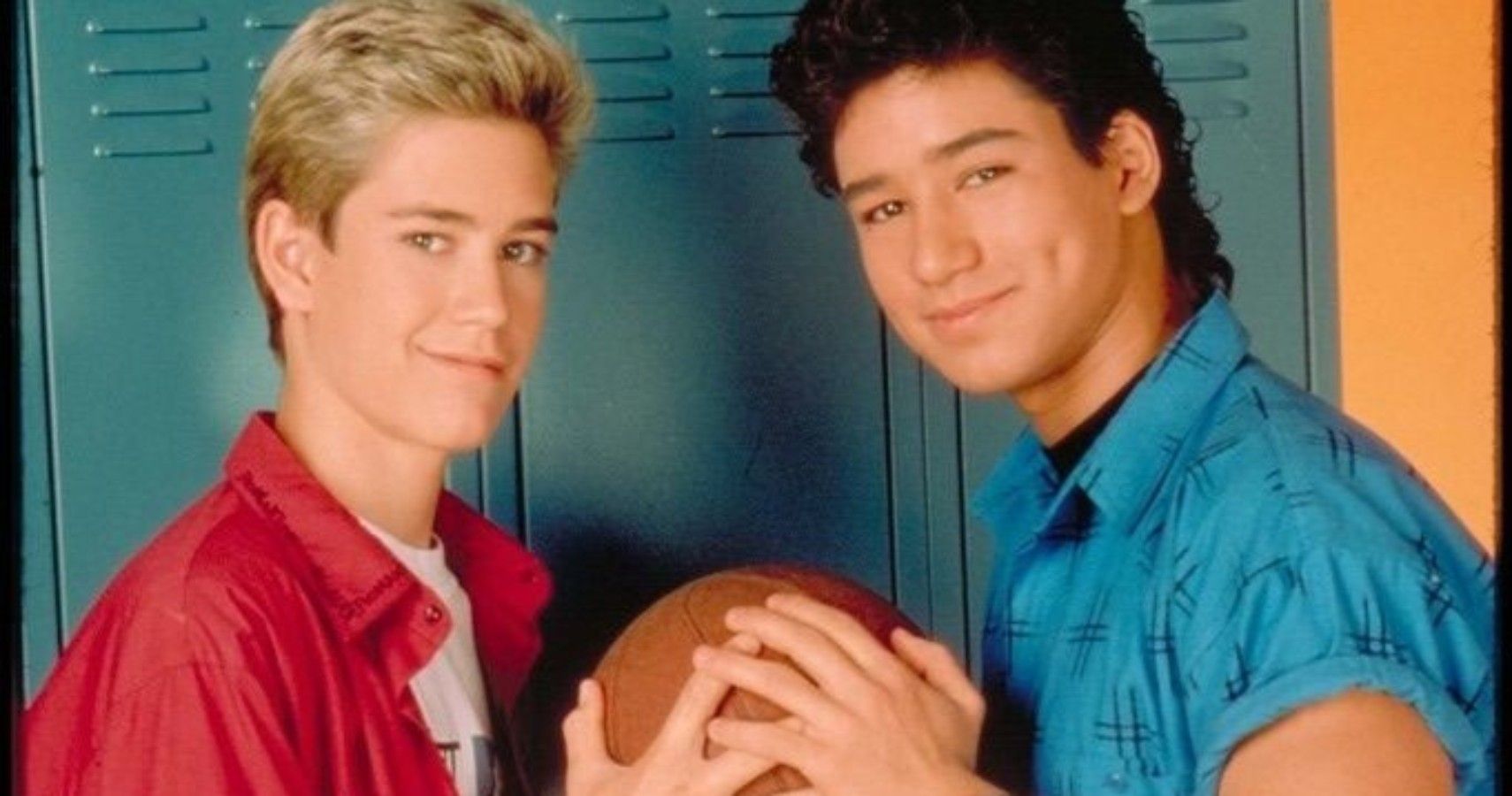
He could stop time. Literally. With a simple "Time out!" and a smirk toward the camera, Zack Morris could freeze the entire world of Bayside High. It was a god-like power used mostly to cheat on midterms or hide from Mr. Belding.
Growing up in the early '90s, we didn't question it. We just thought Zack was the coolest guy on the planet. The blonde hair, the giant brick phone, the effortless charm—he was the blueprint for the ultimate teenage dream. But looking back now? Man, things get weird.
The Zack Morris Effect: Charm as a Weapon
If you rewatch Saved by the Bell today, you'll notice something jarring. Zack isn't just a "lovable prankster." He is often a borderline sociopath.
That sounds harsh. I know. But let’s look at the tape.
Take the "Lisa Card" episode. Zack basically pimped out his friend Lisa Turtle to pay off her credit card debt. He charged guys a dollar to kiss her. Without her consent. In any other show, that's a horror movie plot. In Bayside, it was just another Tuesday.
Even Mark-Paul Gosselaar, the man who brought Zack to life, has admitted on his Zack to the Future podcast that some of these storylines are "morally abhorrent." He’s been surprisingly vocal about how uncomfortable it is to watch his younger self navigate these scripts.
Why we let him get away with it
It’s simple. He was charismatic.
We live in a world where "pretty privilege" isn't just a theory; it’s a lifestyle. Zack Morris was the king of it. Because he was handsome and funny, the audience—and the characters—forgave everything.
He once sold calendars of his female friends in swimsuits without telling them. When they found out, did they call the cops? No. They ended up wanting to be models. The show consistently rewarded his worst impulses with a happy ending and a laugh track.
The "Zack Morris is Trash" Phenomenon
The internet finally caught up to Zack’s antics in the late 2010s. The "Zack Morris is Trash" web series by Funny or Die became a viral sensation for a reason. It pointed out the obvious: this guy was a menace.
- He faked being Jewish to go to a baseball game.
- He used a hidden camera to spy on the girls' locker room.
- He tricked Slater into thinking he was dying.
- He basically caused Jessie Spano’s caffeine pill breakdown by putting too much pressure on her.
Wait, that last one is a bit of a stretch—Jessie made her own choices—but Zack definitely didn't help. He was always the architect of chaos.
Yet, there is a nuance here that the "trash" memes miss. Zack was a product of a specific era of television. Sitcoms in the '80s and '90s weren't trying to be "prestige TV." They were live-action cartoons. Zack was the Bugs Bunny of Bayside. If you view him as a literal human being, he’s a monster. If you view him as a device to move a wacky plot forward, he’s a legend.
The 2020 Reboot: A Self-Aware Solution
When Peacock rebooted Saved by the Bell in 2020, they did something brilliant. They made Zack the villain. Well, the oblivious antagonist.
As the Governor of California, Zack was a narcissist whose budget cuts forced lower-income students into the wealthy Bayside district. It was the perfect evolution. It acknowledged that the "Zack Morris" personality doesn't grow up into a well-adjusted adult without some serious reality checks.
The reboot understood the joke. It leaned into the satire. It turned the character into a parody of white privilege, which was exactly what the legacy of the character needed to survive in the 2020s.
Is He Actually a Good Friend?
This is the big debate. Despite the scams, Zack often came through when it mattered.
Think about the time he stayed with Jessie during her "I'm so excited, I'm so scared" meltdown. He was there. He held her. He dropped the act for a second.
Or his relationship with Screech. Yeah, he treated Screech like a servant half the time. It was painful to watch. But when Screech was genuinely in trouble, Zack usually stepped up to fix the mess (even if he caused it).
It's a complicated legacy. Zack Morris represents a time when we didn't look too closely at our heroes. We wanted the cool clothes and the ability to freeze time. We didn't care about the collateral damage.
Actionable Takeaways for the Modern Binger
If you’re planning a rewatch or just diving into the Bayside lore for the first time, here is how to handle the Zack Morris experience without losing your mind:
- Context is King. Remember that the show was written for Saturday morning audiences. The stakes were low, and the logic was thinner than a 1990s windbreaker.
- Watch the Podcast. Mark-Paul Gosselaar's Zack to the Future is essential. Hearing him cringe at his own character adds a layer of modern accountability that makes the show easier to digest.
- Separate Actor from Character. Gosselaar is widely known as one of the nicest guys in the industry. Don't let Zack's "trash" behavior ruin the actor for you.
- Embrace the Satire. Watch the 2020 reboot. It’s the best way to "close the loop" on Zack’s character arc and see how a modern lens can fix old mistakes.
Zack Morris will always be the face of '90s teen TV. Whether he's a hero or a villain depends entirely on whether you've got the volume up on the laugh track. Honestly, he's probably both. And that's why we're still talking about him thirty years later.
Start your rewatch with the "Running Zack" episode if you want to see the absolute peak of "what were they thinking?" writing. It's a trip. Just don't try to freeze time at work; it rarely ends as well as it did for the Governor of California.


