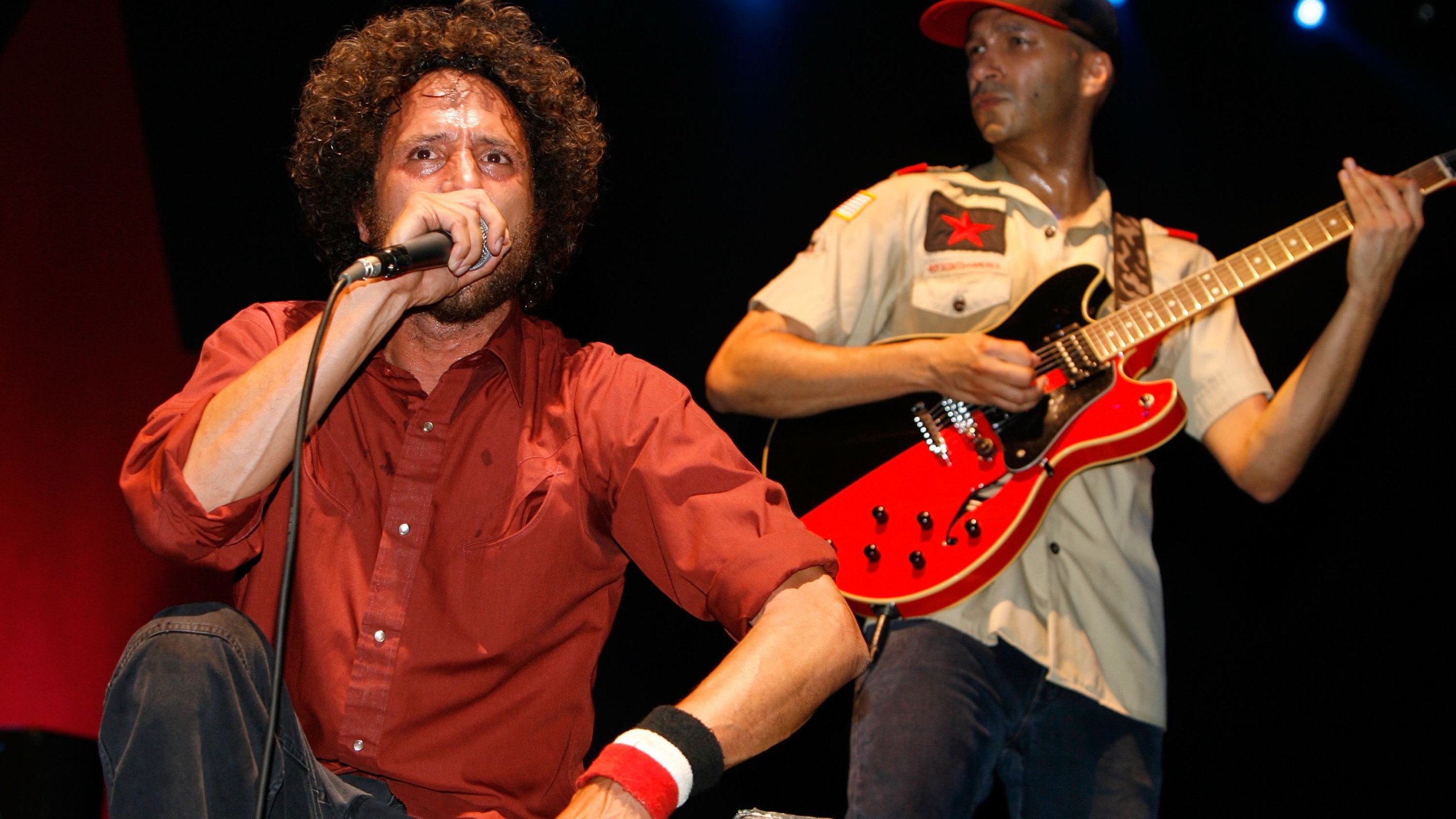
You probably know the voice. That high-tension, rhythmic snarl that sounds like it’s being squeezed out of a pressure cooker. It defined the nineties for anyone who felt like the world was a bit of a dumpster fire. But if you think the only Zack de la Rocha band worth talking about is Rage Against the Machine, you’re missing the actual DNA of where that energy came from—and where it went when the stadium lights dimmed.
Honestly, Zack is a ghost. He pops up every few years, drops a verse that makes everyone else in the room look like they're trying too hard, and then vanishes back into Southern California or wherever he hides. It’s a wild way to handle a career in an era where everyone is desperate for "engagement."
The Hardcore Roots: Inside Out and the Birth of the "Rage"
Before the Grammys and the multi-platinum plaques, Zack was a straight-edge kid in Orange County. We're talking 1988. If you look at the footage of his early band, Inside Out, it's basically a blueprint for everything that followed.
They weren't "rap-rock" then. They were pure, blistering hardcore punk.
Inside Out only released one EP, No Spiritual Surrender, on Revelation Records. It’s a cult classic. If you listen to it now, you can hear the exact moment Zack’s vocal style solidified. It was fast, it was spiritual in a gritty way, and it was loud. Interestingly, they were actually planning to name their full-length debut Rage Against the Machine.
The band fell apart in 1991 because their guitarist, Vic DiCara, decided to become a monk. Seriously. But that title stuck with Zack. He took the name, met Tom Morello—who was looking for something more aggressive after his own band Lock Up folded—and the rest is history. Or at least, the part of history that everyone remembers.
Why One Day as a Lion Still Slaps (and Why It Disappeared)
Fast forward through the chaotic breakup of Rage in 2000. While the rest of the guys formed Audioslave with Chris Cornell, Zack went dark. There were rumors of a solo album for years. He worked with Trent Reznor. He worked with DJ Shadow. Nothing came out.
Then, in 2008, he suddenly reappeared with One Day as a Lion.
This wasn't a full band. It was just Zack on vocals and a Fender Rhodes keyboard, paired with Jon Theodore, the absolute monster who used to drum for The Mars Volta. It was lean. It was mean. It sounded like someone recorded a riot in a basement.
- The Sound: No guitars. Just heavy, distorted keys and drums.
- The Vibe: Minimalist but massive.
- The Fate: They released a five-song EP, played a few shows (including Coachella 2011), and then... nothing.
People always ask why Zack doesn't just release the "lost" solo stuff. It's because he’s a perfectionist to a fault. Jon Theodore once mentioned in interviews that the chemistry was there, but Zack’s process is deeply internal and unpredictable. It’s kinda frustrating for fans, but you've gotta respect the lack of compromise.
The Run The Jewels Connection: A New Era
If you haven't heard Zack’s work with Run The Jewels, you’re doing yourself a disservice. He’s essentially the unofficial third member of El-P and Killer Mike’s crew.
"Close Your Eyes (And Count to Fuck)" is probably the best thing he’s done in twenty years. It proved he didn't need a Marshall stack behind him to sound dangerous. He’s been on almost every RTJ album since the second one, and his verse on "JU$T" alongside Pharrell Williams is a masterclass in modern political hip-hop.
It’s a different kind of Zack de la Rocha band dynamic. He isn't the frontman leading the charge; he's the specialist who comes in to drop a bomb and then leaves. It works because El-P’s production has that same industrial, claustrophobic energy that Zack thrived on in the nineties.
The Current State of Affairs in 2026
Where does that leave us now? As of early 2026, the status of Rage Against the Machine is, to put it bluntly, bleak for fans hoping for a revival.
The 2022 reunion tour was supposed to be the victory lap. Then Zack tore his Achilles tendon during the second show in Chicago. He finished the set sitting on a flight case. He finished the tour sitting down. 17 shows of pure agony. Eventually, he had to stop. Only 8% of his tendon was left intact—that’s a quote from his own statement at the time.
In 2024, drummer Brad Wilk posted that the band "will not be touring or playing live again." It felt final. While there's always a "never say never" in rock music, Zack’s health and the band's internal friction make a return look unlikely.
What You Can Actually Do Now
If you’re looking to scratch that itch, don't just loop Killing in the Name for the millionth time. Do this instead:
- Go Back to the Start: Find the No Spiritual Surrender EP by Inside Out. It explains so much about his cadence.
- Listen to "Digging for Windows": This was a solo track produced by El-P in 2016. It’s the closest we’ve ever gotten to a full-length Zack solo record.
- Check out Algiers: Zack featured on their track "Irreversible Damage" in 2023. It shows he’s still looking for weird, experimental sounds rather than just rehashing the past.
- Track the Collaborations: From KRS-One to Saul Williams, Zack’s guest spots are where his best writing is hidden.
Zack de la Rocha doesn't owe anyone a "career" in the traditional sense. He's always been more of an activist who happens to be a genius on the mic. Whether he ever frontman's another full-time band or just continues to appear like a ghost on RTJ tracks, the impact of his work is already permanent. He’s the guy who reminded us that music could be a weapon, even if he decides to keep that weapon holstered for years at a time.



