New Orleans has always been a city of ghosts, but the story of Zack Bowen and Addie Hall is different. It’s not just a legend from the 1800s. It’s a raw, relatively recent scar on the French Quarter. Honestly, if you’ve spent any time in true crime circles, you’ve probably heard of the "Katrina Cannibals." It’s a sensationalist name that stuck, even though the autopsy eventually proved Zack didn’t actually eat Addie. Still, the reality is plenty dark without the exaggerations.
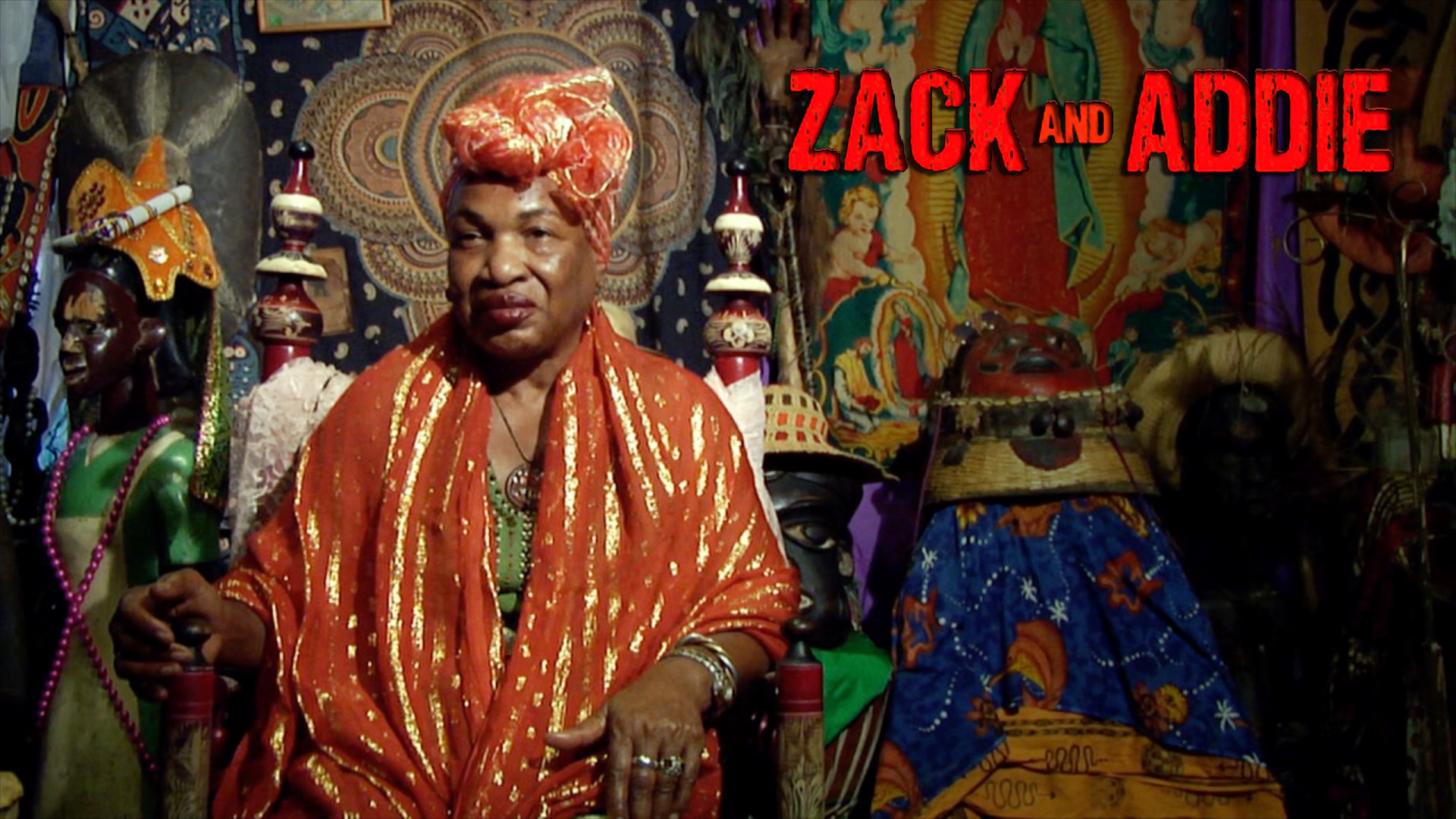
The zack and addie documentary by Rob Florence—aptly titled Zack & Addie—remains the definitive look at what happens when untreated PTSD, a crumbling city, and a toxic romance collide.
The Romance at the End of the World
When Hurricane Katrina hit in 2005, the world watched New Orleans drown. But in the French Quarter, which sits on higher ground, a weird kind of "war zone chic" took over. Zack Bowen, a charismatic Iraq War veteran, and Addie Hall, a fierce and poetic bartender, became the faces of the holdouts. They stayed behind. They drank vodka by candlelight. They gave interviews to major newspapers like The New York Times, looking like the ultimate survivalist power couple.
Basically, they were the "stars" of the storm.
But the documentary pulls back that romanticized curtain. It wasn't just a party. Zack was struggling with severe, untreated trauma from his time in Kosovo and Iraq. He’d seen things—specifically the death of a young Iraqi boy—that he couldn't shake. Addie had her own history of abuse and was known for a "fiery" temper that often clashed with Zack’s internal chaos.
They were living above a Voodoo temple on North Rampart Street. The symbolism there is almost too on-the-nose for a movie, but it was real life.
Why the Documentary is Hard to Find
If you're looking to stream the 2013 zack and addie documentary on Netflix or Hulu today, you’re probably going to be disappointed. It’s become something of a "lost" piece of media. Director Rob Florence, who also wrote The French Quarter Ritual Murders, focused heavily on interviews with the people who actually worked with them at bars like The Spotted Cat.
Because the film relied so heavily on local atmosphere and raw footage, it never hit the massive mainstream streamers. You can sometimes find it via independent DVD releases or underground screenings in New Orleans, but most people now consume this story through high-production true crime shows like Final Witness (the "Graveyard Love" episode) or the Haunted History series on the History Channel.
The Night Everything Broke
The crime itself is what makes this case so notorious. In October 2006, about a year after they became "Katrina celebrities," Zack jumped to his death from the rooftop of the Omni Royal Orleans hotel.
Police found a suicide note in his pocket. It wasn't a cry for help; it was a confession.
He told them exactly where to go. 826 North Rampart Street.
Inside the apartment, the air conditioner was cranked down to 60 degrees. Zack had spray-painted messages on the walls, including instructions to call his ex-wife. But the kitchen was the nightmare. He had strangled Addie, dismembered her in the bathtub, and put her remains in the oven and on the stove.
He’d even laid out vegetables—carrots and potatoes—on the counter.
This specific detail is why the "cannibal" rumors started. The zack and addie documentary doesn't shy away from the gruesomeness, but it tries to humanize them beyond the headlines. It explores the theory that Zack wasn't trying to eat her, but was instead in a complete dissociative break, perhaps trying to "process" the body in a way that made sense in his fractured mind.
The Fallout and "Dark Tourism"
Today, the apartment is part of a "Voodoo and Vampire" tour circuit. It’s controversial. Honestly, many locals hate how the tragedy has been commodified. One of Addie's close friends, Dennis Monn, has been vocal about how the media turned a mental health tragedy into a "ghoul story."
The documentary serves as a counterweight to that. It reminds us that Addie was a poet. She was a woman who loved her neighborhood. Zack was a soldier who was failed by the system.
- Mental Health Gaps: Zack was a decorated vet who was denied some benefits because of a general discharge.
- The Post-Katrina Vacuum: The lack of police and social services in 2005 allowed their toxicity to spiral without intervention.
- The Media Lens: How we turn real people into "characters" during a disaster.
How to Lean More About Zack and Addie
Since the original 2013 film is elusive, your best bet for accurate info is the book Shake the Devil Off by Ethan Brown. He did the deep investigative work that most "ghost tour" guides skip.
If you want the visual experience, look for the Final Witness episode titled "Graveyard Love." It uses dramatizations but stays fairly close to the police records. Just be ready—it’s not an easy watch.
The real takeaway from the zack and addie documentary isn't the gore. It’s the warning. It shows how quickly a "romantic" escape from reality can turn into a trap when there’s no support system to catch you when you fall.
If you’re interested in exploring the case further, start with the autopsy reports and the Ethan Brown book rather than the sensationalized YouTube "creepypasta" videos. Understanding the PTSD angle is the only way to make sense of the senselessness that happened on Rampart Street.
Actionable Next Steps
- Read the source material: Find a copy of Shake the Devil Off by Ethan Brown for the most fact-checked account of the timeline.
- Verify the locations: If you visit New Orleans, remember that 826 North Rampart is a private location; respect the local community's boundaries regarding "dark tourism."
- Support Veteran Resources: This case is a textbook example of untreated PTSD; consider donating to or volunteering with organizations like the Wounded Warrior Project or local NOLA mental health initiatives.