You ever have that one song that feels less like a track on a playlist and more like a specific memory you forgot you had? That’s basically the deal with Zach Bryan Sun to Me. It isn't the loudest song on his massive 34-track major-label debut, American Heartbreak, but honestly, it might be the most enduring. While "Something in the Orange" was busy becoming a triple-platinum behemoth, "Sun to Me" was quietly embedding itself into the weddings, late-night drives, and "darkest parts" of millions of listeners.
It’s a weirdly simple song. No big production. No flashy guest features. Just a guy, a guitar, and a story about a girl who makes the world feel a little less like a dumpster fire.
The Story Behind the Sunflowers
Released on May 20, 2022, "Sun to Me" landed right in the middle of Bryan’s transition from Navy veteran with a YouTube channel to the biggest thing in country-adjacent music. If you look at the credits, it’s a tight-knit affair. Produced by Eddie Spear, the track features Zach on acoustic and electric guitar, with Aksel Coe handling the percussion that gives the song its steady, heartbeat-like rhythm.
The song opens with a hyper-specific timestamp: 5:34 a.m. Zach’s character is about to start his day, but he stays because of the person lying across him. It’s that universal feeling of choosing a moment of peace over the grind.
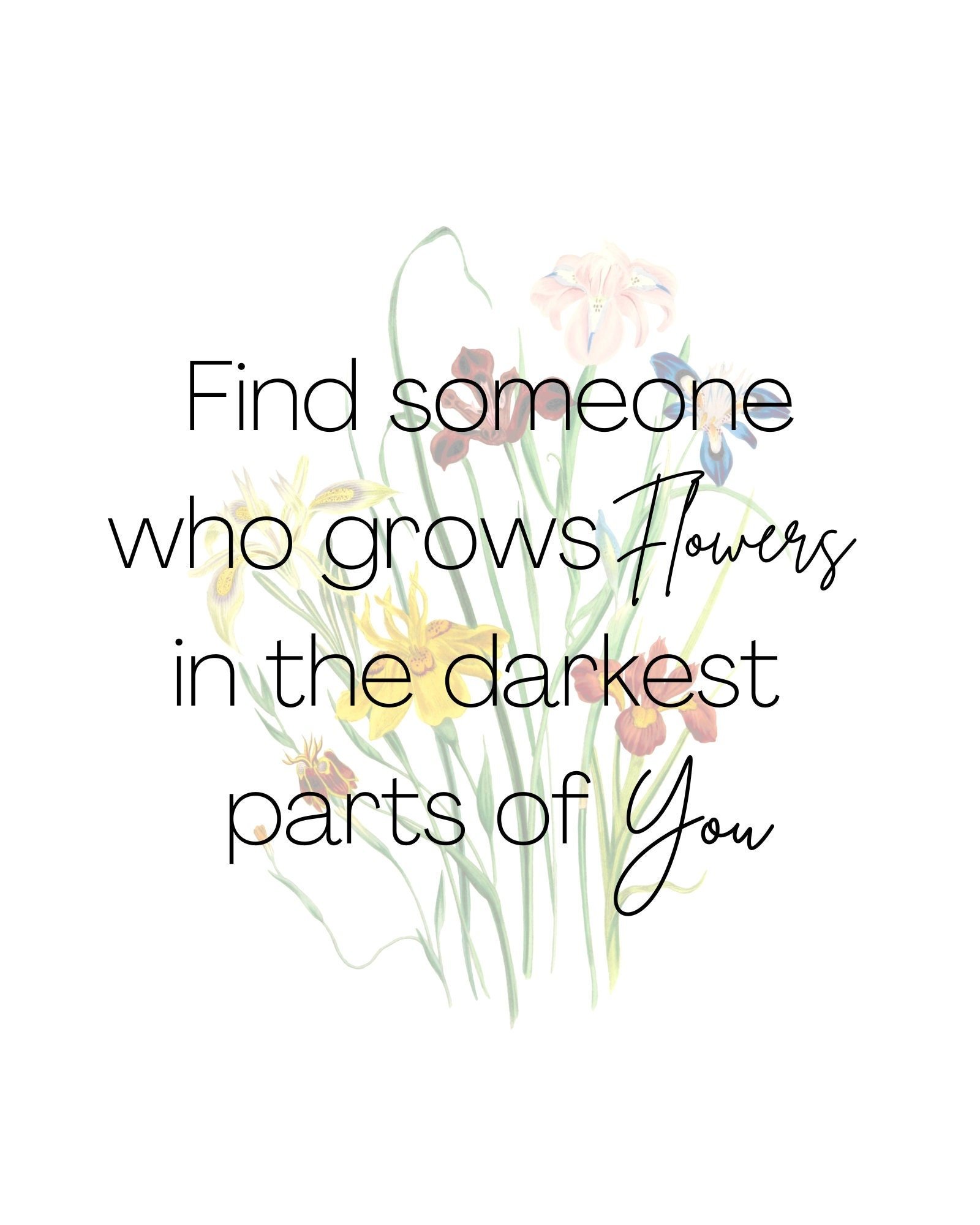
What’s interesting is how the "sunflower" imagery works here. He calls her the "sweetest of the sunflowers," but the kicker is the line about finding someone who "grows flowers in the darkest parts of you." That isn’t just some Hallmark sentiment. It’s an acknowledgment of the "bad luck" and "hard times" he mentions later. It’s about a love that doesn't just tolerate your baggage but actually plants something good in the middle of it.
Why People Think it Sounds Like Everything Else (And Why They Don't Care)
If you spend five minutes on a Zach Bryan Reddit thread, you’ll see people complaining that his songs all use the same four chords. They aren't exactly wrong. "Sun to Me" shares a similar DNA and tempo with tracks like "From Austin" or "Letting Someone Go."
But here is the thing: nobody cares.
Fans aren't looking for Mozart-level complexity from Zach. They’re looking for the "raw" factor. There is a specific vulnerability in "Sun to Me" that feels like a gut punch. When he sings, "The only bad you've ever done was see the good in me," he’s tapping into a very specific kind of imposter syndrome that hits home for a lot of people. It’s a song about being unworthy of a good thing and getting it anyway.
The MGK Factor
In 2024, the song got a weird second life when Machine Gun Kelly (mgk) released a live cover from "Cheshire Cottage." People were skeptical. Like, very skeptical. But the cover actually performed surprisingly well, peaking high on the rock and country digital charts. It proved that the bones of the song—the actual writing—could survive different genres. It turned a "country" song into a "sad boy" anthem for a whole different demographic.
Breaking Down the Lyrics: What Most People Miss
Most folks focus on the chorus, but the second verse is where the real weight is. He talks about being "scared of things that I can't change" and "the people that I've hurt along the way." This isn't just a love song; it’s a redemption song.
- The Cigarette Smoke: He mentions barely remembering what she was wearing through the "cloud of my cigarette smoke." It paints a picture of a guy who was in a haze—literally and figuratively—until this person showed up.
- The "Chemicals Align": There’s a line about seeing double when "those chemicals align." Some fans think it's about drugs or booze (which Zach sings about constantly), while others think it’s about the actual brain chemistry of falling in love. Honestly? It's probably both.
- The Home Metaphor: "Fireflies and some scheming eyes will turn this house into a home." This is about the long game. It's moving past the "bad luck" of the past and actually building something.
How "Sun to Me" Changed the Game for Zach
Before Zach Bryan Sun to Me, he was largely known for the "sad guy in a field" vibe. This song showed he could do "hopeful" without it being cheesy. It’s arguably the template for his later hits like "The Good I'll Do."
He doesn't play it at every single show—setlist data shows he’s played it roughly 15-20 times in major arena settings—but when he does, the crowd usually carries the chorus. It’s become a "fan favorite" in the truest sense; it wasn't forced down our throats by radio, it just grew naturally because people kept sending the link to their partners.
What You Can Actually Do With This Information
If you're a songwriter or just a fan trying to understand the "Zach Bryan magic," there are a few takeaways here.
- Stop over-producing: The "Sun to Me" demo and the final version aren't that different. If the lyrics are good, the song is good.
- Use timestamps: Starting a song with "5:34 a.m." grounds the listener immediately. It makes the story feel like a real event rather than a vague idea.
- Acknowledge the dark stuff: A love song feels more "real" when you admit you’re a bit of a mess.
If you want to dive deeper, go listen to the American Heartbreak version and then immediately jump to his live album All My Homies Hate Ticketmaster. You can hear how the song evolves when a stadium full of people is screaming the "sunflower" line back at him. It changes the energy from a quiet confession to a collective roar.
Next Steps for Your Playlist: To get the full "Sun to Me" experience, try pairing it with "Someday (Maggie's)" and "Morning Time." Those three together tell a pretty cohesive story about finding peace after a long stretch of "bad luck." You might also want to check out the original "You Are My Sunshine" cover on the same album to see how Zach leans into those older, folkier influences that paved the way for his own writing style.



