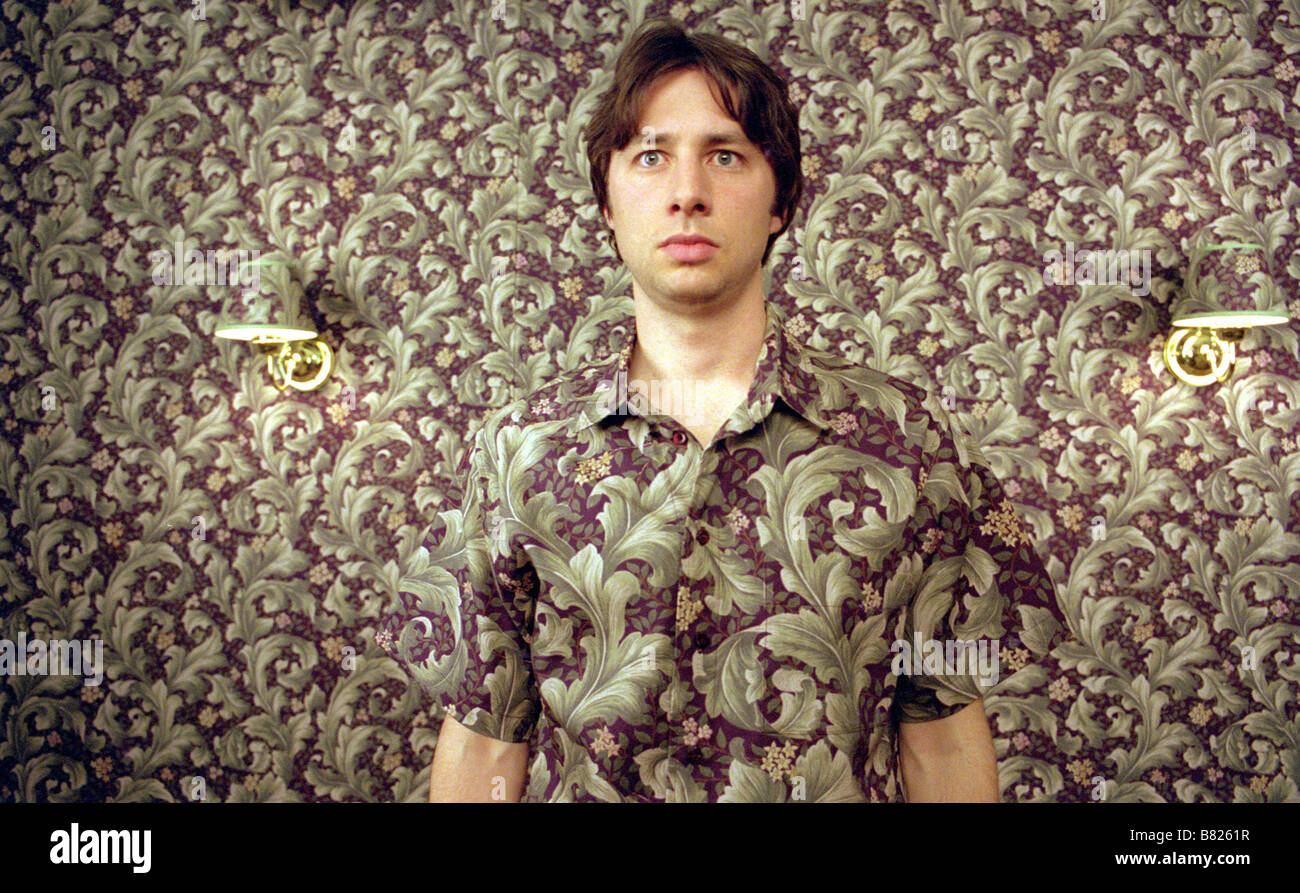
Twenty years. It’s been two decades since a guy in a shirt made of wallpaper screamed into a literal abyss, and honestly, the internet still hasn't moved on.
When Zach Braff released Garden State in 2004, he wasn't just a sitcom star from Scrubs trying his hand at directing. He was creating a cultural lightning rod. At the time, it was the ultimate "indie" darling. It had everything: the shaggy hair, the pensive stares, and a soundtrack that basically defined the musical taste of every college student with a Flip phone. But looking back at Zach Braff Garden State today is a weird experience. It's like looking at an old high school yearbook photo where you're wearing too much eyeliner. You're embarrassed, sure, but you also kind of miss that version of yourself.
The Movie That Invented a Trope (Accidentally)
You can't talk about this film without talking about "The Trope." You know the one.
The Manic Pixie Dream Girl.
Natalie Portman’s character, Sam, is the blueprint. She’s quirky. She lies about random things. She listens to The Shins because they will "change your life." For years, critics have absolutely torn this character apart. They argue she doesn't have her own agency—that she only exists to fix Andrew Largeman’s (Braff) depression. Even Braff himself has leaned into this lately. In a 2023 interview with The Independent, he admitted he was just a depressed young guy writing his own fantasy. He was copying Annie Hall. He was trying to write a savior.
Is it "problematic" by 2026 standards? Maybe. But for a lot of people in 2004, it felt like the first time a movie actually captured that specific brand of suburban "quarter-life crisis" dread.
That Soundtrack Was a Cultural Reset
Seriously, the music was the real star.
Braff actually won a Grammy for this soundtrack. That’s wild. He didn't just pick songs; he curated a mood. Before Spotify algorithms told us what to like, we had Zach Braff’s "mix CD." It featured:
- The Shins ("New Slang" and "Caring Is Creepy")
- Iron & Wine (that "Such Great Heights" cover)
- Frou Frou ("Let Go")
- Colin Hay
- Zero 7
He literally hand-burned copies of the music to send to actors and investors because he felt the songs were part of the script. To celebrate the 20th anniversary in March 2025, Braff even hosted a massive benefit concert at the Greek Theatre in LA. It wasn't just a nostalgia trip; it was a reunion. Natalie Portman showed up. The Shins played. It raised a ton of money for The Midnight Mission, a homeless shelter in Los Angeles. It turns out, even if the movie’s tropes aged like milk, the songs are still absolute bangers.
The "Jersey" of It All
Most movies about New Jersey are about the Shore or the Sopranos. Zach Braff Garden State was different. It was about the weird, boring, leafy parts of North Jersey.
He filmed in his actual hometown of South Orange. He used real locations like the Sea Thai Bistro in Brooklyn (which stood in for that weird "Ladies Night" restaurant). There’s a specific texture to the film—the damp grass, the quarry, the old houses—that feels lived-in. It wasn't a Hollywood version of Jersey; it was a local's version.
Braff wrote the script in six months while he was still waiting tables. He struggled to get it made. Every major studio passed. Finally, a guy named Gary Gilbert, who made his money in the mortgage business, decided to fund the $2.5 million budget. It went on to make over $35 million. That’s the kind of indie success story that just doesn't happen anymore in the era of superhero franchises.
Why the Criticism Matters
It’s easy to dunk on Garden State now. We’re more cynical. We see the "preciousness" of the dialogue and we cringe. But there is something to be said for the raw vulnerability Braff put on screen. He was talking about lithium, over-medication, and the feeling of being "numb" long before it was a standard TikTok topic.
The movie deals with:
- Strained Father-Son Dynamics: Ian Holm was terrifyingly cold as the psychiatrist father.
- Grief: The whole plot is kicked off by a funeral.
- Feeling Stuck: The feeling that your "home" isn't home anymore.
What Most People Get Wrong
People think Braff was trying to be "cool." Honestly? I think he was just being earnest. Maybe too earnest.
The movie is a time capsule of a very specific moment in the early 2000s. It’s pre-social media. It’s post-9/11. It’s a world of payphones and helmets. If you watch it today, don't look at it as a modern rom-com. Look at it as a portrait of a guy trying to wake up from a ten-year sleep.
Actionable Insights for Fans and Creatives
If you’re a filmmaker or just a fan of the era, there are a few things you can still learn from the Zach Braff Garden State phenomenon:
- Curate with Intent: Don't just throw music at a project. Braff’s soundtrack worked because the lyrics actually reflected the internal state of the characters.
- Location is a Character: Use your hometown. The specificity of the New Jersey locations gave the movie an identity that a generic set never could.
- Embrace the "Cringe": Braff has said that being vulnerable is the only point of being creative. If you aren't risking looking a bit silly or overly sentimental, you aren't really making anything personal.
- Support the Classics: Go back and listen to the soundtrack on vinyl. It’s still one of the best-sequenced albums of the decade.
The legacy of Garden State isn't just about the "manic pixie" or the yelling into the rain. It’s about the fact that a $2 million movie about a sad guy in New Jersey could win a Grammy and change the way an entire generation looked at indie film. Whether you love it or hate-watch it, you can't deny it had a soul.
To dive deeper into this era, track down the 20th-anniversary concert footage or re-watch the film with the director's commentary. It’s a masterclass in how to make a lot out of a very small budget.



