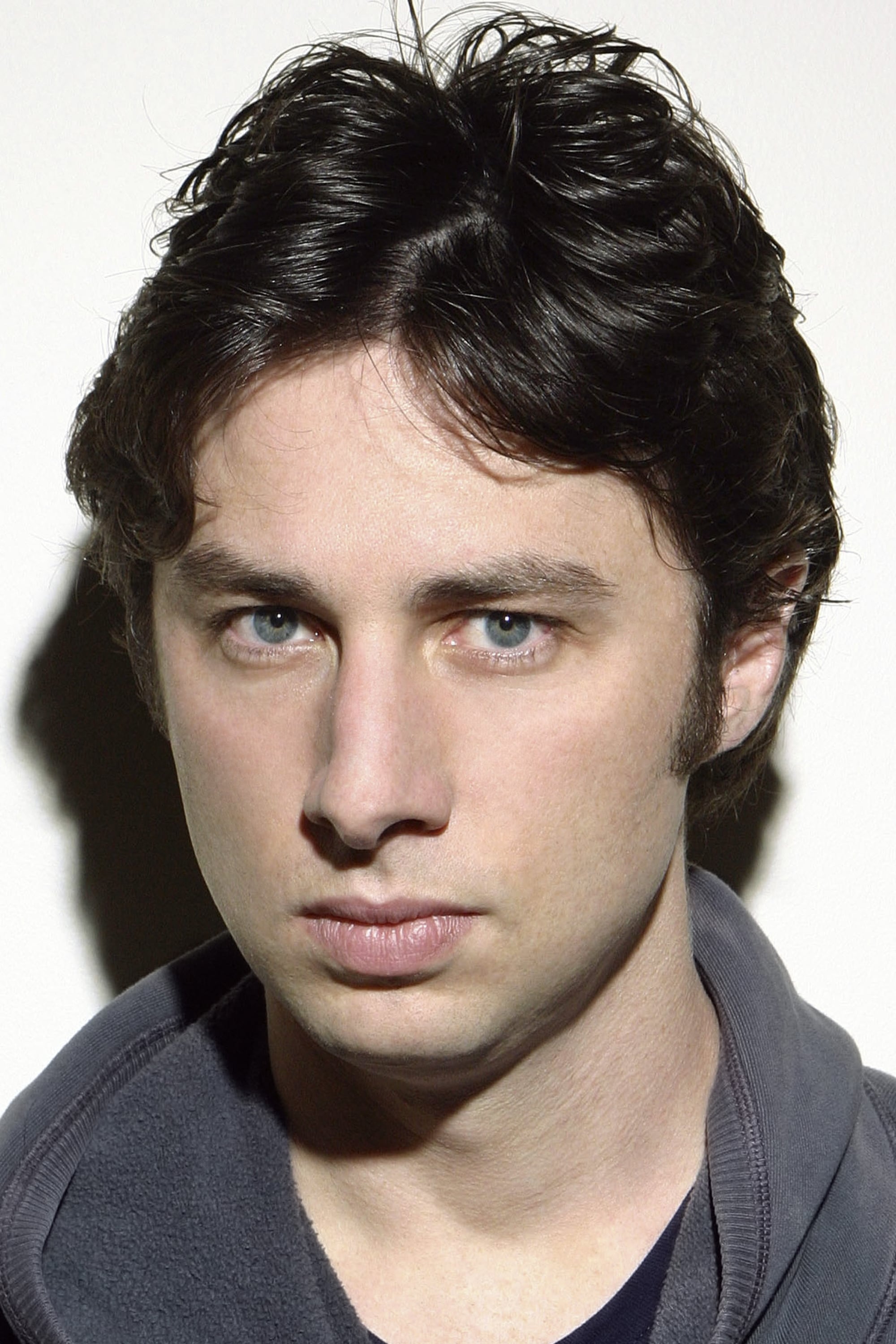
Zach Braff is a name that instantly triggers a specific kind of nostalgia. If you were anywhere near a dorm room in the mid-2000s, you probably had the Garden State soundtrack on a burnt CD. Most people know him as J.D. from Scrubs, the daydreaming intern with the internal monologue that lasted nine seasons. But behind the camera, he’s built a career that is surprisingly polarizing, fiercely independent, and weirdly consistent in its themes.
The thing about zach braff director movies is that they aren't just films; they’re basically open diaries. He doesn't do "work for hire" very often—with one major exception—and his projects usually feel like he’s trying to process a specific life crisis in real-time. Whether it's the "what do I do now?" energy of your twenties or the "how do I take care of my dying dad?" weight of your forties, he puts it all on screen. Honestly, it’s a lot. But for a certain type of viewer, it’s exactly what they need.
The Garden State Earthquake (2004)
You can't talk about Zach Braff without starting here. In 2004, Garden State was a legitimate cultural reset for the indie world. Braff wrote, directed, and starred in it. He was 29. The movie follows Andrew Largeman, a lithium-numbed actor who returns to New Jersey for his mother’s funeral.
It was made for roughly $2.5 million and ended up grossing over $35 million. That’s a massive win by any metric. But the legacy isn't the box office; it’s the vibe. He basically invented (or at least solidified) the "Manic Pixie Dream Girl" trope with Natalie Portman’s character, Sam.
Critics loved it at the time—it won a Grammy for the soundtrack!—but the internet has spent the last two decades kind of turning on it. People call it "twee" or "pretentious" now. Is it? Maybe a little. But if you watch it today, the depiction of that specific kind of suburban depression still feels pretty authentic. Braff has this knack for capturing the silence of a house where nobody talks about their feelings.
The Kickstarter Controversy of Wish I Was Here (2014)
It took a decade for Braff to release his true directorial follow-up. Why? Because the industry changed. He didn't want to lose creative control, so he did something that basically broke the movie-loving internet: he started a Kickstarter.
He asked for $2 million. He got $3.1 million from over 46,000 fans.
People were furious. The argument was basically: "Why is a rich TV star asking for my money?" Braff’s defense was that traditional financiers wanted him to cut certain scenes and cast people he didn't want. He wanted a specific "vision."
Wish I Was Here is sort of a spiritual sequel to Garden State. He plays Aidan Bloom, a struggling actor (notice a theme?) dealing with his father’s terminal illness while homeschooling his kids. It’s messy. It’s got a lot of "big ideas" about religion and legacy. It didn't have the same cultural impact as his debut, but for the people who funded it, it was exactly what they paid for. It’s Braff at his most unfiltered.
Shifting Gears: Going in Style (2017)
This is the outlier in the list of zach braff director movies. For the first time, he didn't write the script and he didn't star in it. He was just the director-for-hire on a big studio remake.
He had three legends to work with: Morgan Freeman, Michael Caine, and Alan Arkin. The plot is simple—three retirees lose their pensions and decide to rob the bank that screwed them over. It’s a standard comedy-heist flick.
While it lacks the "deeply personal" soul-searching of his other work, you can see his fingerprints in the editing. He’s good at pacing. He knows how to make a joke land. It was a solid box office hit, making about $85 million worldwide. It proved he could play by the studio rules if he wanted to, even if his heart clearly lies in the indie world.
The Return to Form: A Good Person (2023)
After a few years focusing on acting and directing episodes of Ted Lasso (for which he got an Emmy nom), Braff went back to his roots. A Good Person is a heavy, New Jersey-set drama starring Florence Pugh and Morgan Freeman.
Braff wrote this one during the pandemic. It’s about Allison (Pugh), a woman whose life is destroyed after she's involved in a fatal car accident. She develops an opioid addiction and eventually forms an unlikely bond with the man who would have been her father-in-law (Freeman).
It’s probably his most "mature" film. There’s less of the quirky indie whimsy and more raw, ugly grief. Critics were split—some found it melodramatic—but almost everyone agreed that Florence Pugh’s performance was incredible. Braff clearly knows how to direct actors to get every ounce of emotion out of them.
What Makes a "Zach Braff Movie"?
If you're watching a movie and you're not sure if he directed it, look for these "Braff-isms":
- The Soundtrack is a Character: He doesn't just use background music; he uses songs that tell you exactly how the character feels. He’s obsessed with indie-folk and "sad girl" pop.
- The Jersey Factor: He loves his home state. New Jersey isn't just a location; it’s a mood of stagnant, humid boredom.
- The "Moment": There is almost always a scene where characters scream into an abyss, or have a choreographed dance, or do something slightly surreal to break the tension of their lives.
- Addiction and Mental Health: From the antidepressants in Garden State to the Oxycontin in A Good Person, he’s constantly poking at how people numb themselves.
How to Watch Them
If you're looking to dive into his filmography, don't just watch them in order. Context matters.
- Watch Garden State first. It’s the foundation. It explains why people care about him as a director in the first place.
- Skip to A Good Person. See how he’s grown. It’s interesting to compare the "young guy problems" of 2004 with the "heavy life consequences" of 2023.
- Check out Wish I Was Here if you're a fan of his voice. It’s not for everyone, but if you like his specific brand of earnestness, it’s his most personal work.
- Watch Going in Style for a rainy Sunday. It’s just fun. No deep thinking required.
Zach Braff’s career as a director is a weirdly honest map of his own aging process. He hasn't really tried to reinvent himself; he’s just stayed true to the idea that movies should feel like a conversation between friends about the stuff that actually hurts. Whether you find that charming or annoying usually depends on how much you like The Shins.
Actionable Insight: If you’re a filmmaker, study Braff’s Garden State production. He took a massive risk on a personal story and focused on a "curated" aesthetic (the soundtrack, the specific color palette) that created a brand before "personal branding" was even a thing. It’s a masterclass in how to make a small budget feel like a cultural event.


