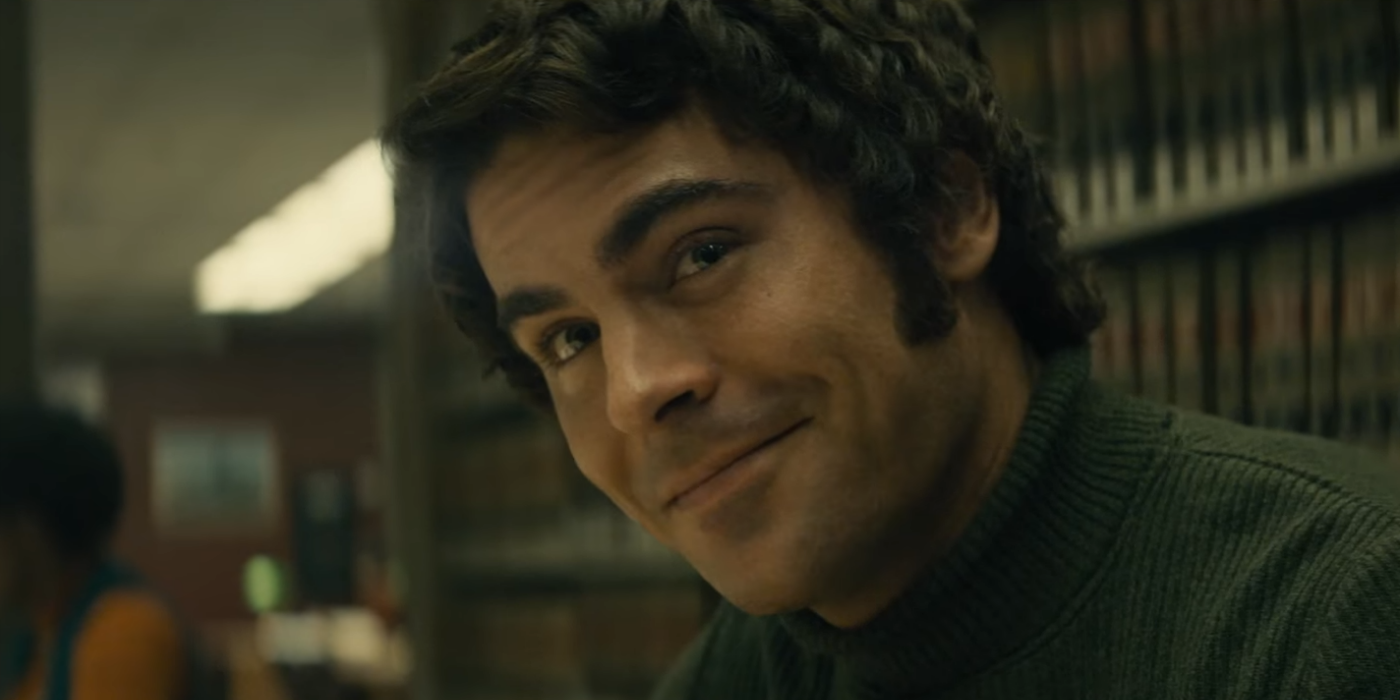
When the first trailer for the Zac Efron Ted Bundy Netflix movie dropped, the internet basically had a collective meltdown. You probably remember the discourse. People were furious, claiming the film was "glamorizing" a serial killer because the guy from High School Musical looked a little too good in a turtleneck.
But honestly? That was kind of the whole point.
The movie, officially titled Extremely Wicked, Shockingly Evil and Vile, didn't just land on Netflix to show us a monster doing monster things. It wanted to show us how a monster gets away with it. If you went in expecting a slasher flick, you were likely disappointed. If you went in to see a psychological study on how people are gaslit by charisma, you got exactly what director Joe Berlinger intended.
Why Zac Efron was the only choice for the Netflix Ted Bundy role
Most people forget that in the 1970s, the public didn't see Ted Bundy as the skeletal, hollow-eyed ghoul we see in grainy crime documentaries today. They saw a charming law student. A "nice guy." Someone who looked like he belonged on a college campus, not in a death row cell.
Casting Zac Efron was a deliberate move to weaponize the audience's own trust. We’ve grown up with Efron as the "boy next door," and Berlinger used that baggage to make us feel as confused and deceived as Bundy’s real-life victims and girlfriends.
It’s easy to say "I’d never be fooled by a killer." But when you watch Efron’s performance, you see the "smokescreen" in action. He doesn't play Bundy as a villain; he plays Bundy as a man playing a hero. It’s meta, it’s layered, and it's deeply uncomfortable.
What the movie actually got right (and what it skipped)
For a Hollywood production, the Zac Efron Ted Bundy Netflix project stuck surprisingly close to the source material: Elizabeth Kendall’s memoir, The Phantom Prince: My Life with Ted Bundy.
- The Perspective Shift: Unlike most true crime, this story is told through the eyes of Liz (played by Lily Collins). We see what she saw: the gourmet omelets, the dancing in the living room, the "perfect" father figure to her daughter.
- The Courtroom Circus: The Florida trial scenes are almost word-for-word recreations. When John Malkovich (playing Judge Edward Cowart) delivers that famous "extremely wicked" line, it’s not just dramatic writing—it’s the actual transcript.
- The Escapes: Yes, Bundy really did jump out of a second-story courthouse window in Colorado. And yes, he really did starve himself to fit through a light fixture hole in his cell ceiling.
However, the film takes some massive liberties for the sake of drama. The most famous one? The "hacksaw" scene.
In the film's climax, Liz visits Ted on death row and demands the truth. He supposedly writes the word "hacksaw" on the glass to admit to a decapitation. In reality, that never happened. Elizabeth Kendall wrote in her book that their final conversation was over the phone, and while Ted admitted there was "something wrong" with him, he never gave her that kind of cinematic closure.
The controversy of "No Violence"
One of the biggest complaints about the Zac Efron Ted Bundy Netflix release was the lack of onscreen murders. Critics argued that by not showing the violence, the film was sanitizing Bundy’s legacy.
Joe Berlinger, who also directed the Ted Bundy Tapes docuseries, had a different take. He argued that we already have enough movies that "recreate the moment of death for a victim," which he finds inherently disrespectful. By keeping the violence off-screen, the movie forces you to live in the same state of denial that Liz did.
You’re hearing about the crimes on the news, but you’re looking at a man who seems incapable of them. That cognitive dissonance is the real horror of the story.
How to watch it and what to look for
If you’re revisiting the film on Netflix or watching it for the first time, keep an eye on the background details. The production design is obsessive. The clothing, the cars, even the specific brand of beer Bundy drinks are all historically accurate.
Pro Tip: Watch it as a double feature with the documentary series Conversations with a Killer: The Ted Bundy Tapes.
The documentary gives you the cold, hard facts and the grisly details the movie leaves out. When you see the real footage of the trial alongside Efron’s performance, you realize just how much he nailed the "performative" nature of Bundy’s personality.
Key Takeaways for True Crime Fans:
- Don't trust the "Hacksaw" ending: It’s a Hollywood invention to give the audience a sense of relief.
- The title is a quote: It comes directly from the sentencing judge in the 1979 Florida trial.
- Liz Kendall was involved: The real Elizabeth Kloepfer (Kendall) met with Lily Collins and shared old photos and letters to help with the portrayal.
- It’s not a slasher: Think of it as a movie about the victims of gaslighting, rather than a movie about murder.
If you want to understand the Bundy phenomenon, you have to look past the gore. You have to understand how a man could sit in a courtroom, represent himself as his own lawyer, and have women in the gallery cheering for him like he was a rock star. The Zac Efron Ted Bundy Netflix movie is a window into that specific, terrifying brand of charisma.
Start by watching the final credits of the film. They intercut the real archival footage of Bundy with Efron’s scenes. The resemblance isn't just physical—it's in the way they both hold a pen, the way they tilt their heads when they think they’re being clever. It’s a chilling reminder that sometimes the most dangerous people don't look like monsters at all.



