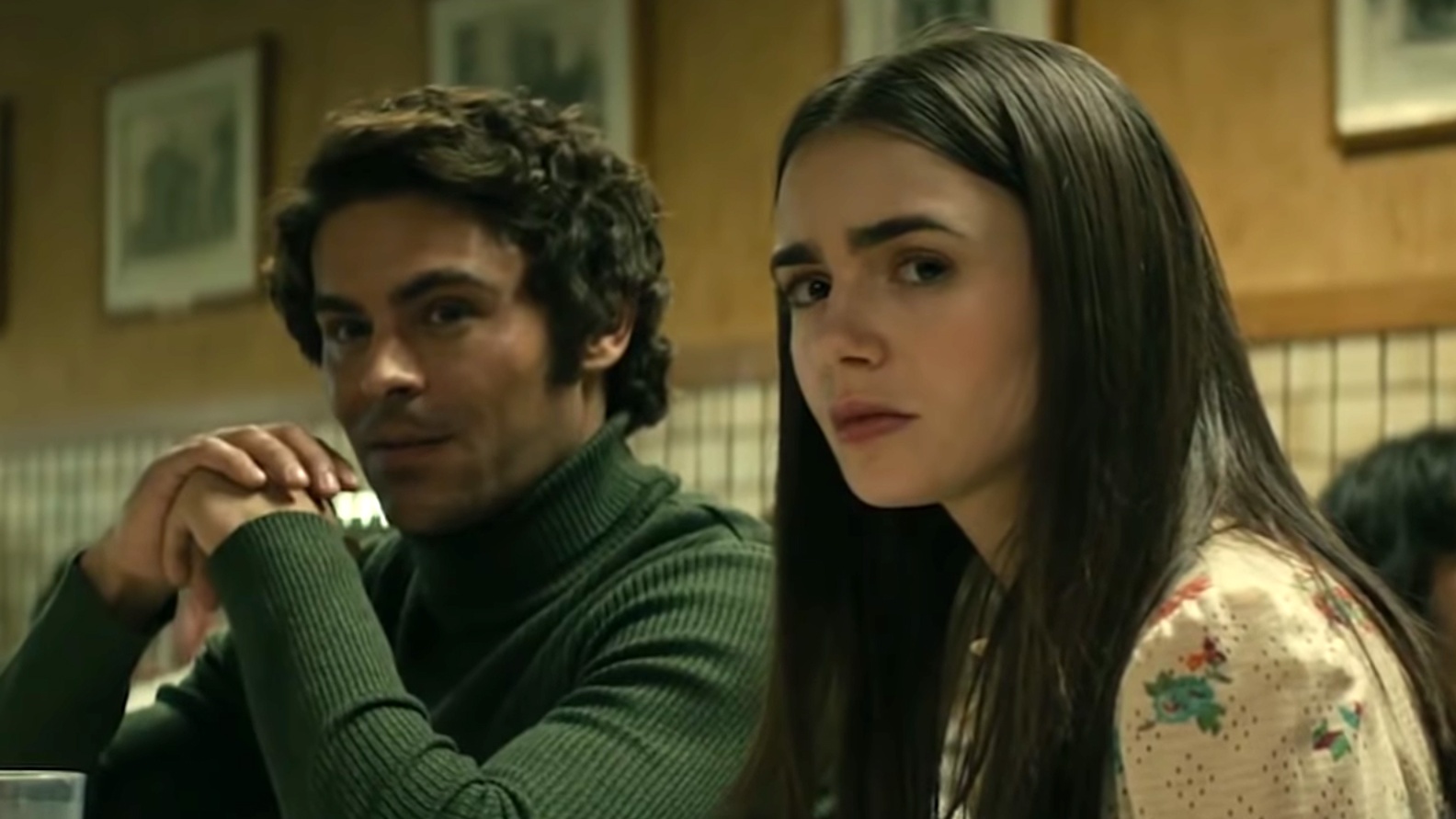
Honestly, it was the casting choice that launched a thousand think pieces. When the news first broke that Zac Efron—the guy we all grew up watching in High School Musical—was set to play one of the most prolific serial killers in American history, the internet basically had a collective meltdown. People were worried. They were angry. They thought Hollywood was finally going too far in "beautifying" a monster.
But here’s the thing about the zac efron ted bundy movie, officially titled Extremely Wicked, Shockingly Evil and Vile. It wasn't actually trying to make you like Ted Bundy.
If you watch it closely, the movie is doing something way more uncomfortable. It’s gaslighting you. It puts you right in the shoes of Elizabeth Kendall, Bundy’s long-term girlfriend, who lived with this man for years while he was out hunting. It forces you to see the "charming boyfriend" version of a killer, which is exactly why the film remains so polarizing years after its 2019 release.
Why the Perspective Matters
Most true crime flicks follow the cops. You see the evidence boards, the coffee-stained desks, and the gritty crime scenes. This movie? It dodges all of that. Director Joe Berlinger—who, interestingly enough, also directed the Ted Bundy Tapes documentary—decided to stick almost entirely to the perspective of Elizabeth "Liz" Kendall, played by Lily Collins.
Because the story is based on her memoir, The Phantom Prince: My Life with Ted Bundy, we only see what she saw. And for a long time, she saw a guy who helped her raise her daughter and made her feel safe.
- No Gore: You won't see the actual murders on screen until the very, very end.
- The Narrative Trap: The film deliberately keeps you in the dark, hoping you’ll feel the same confusion Liz felt as the allegations started piling up.
- The "Heartthrob" Factor: Using Efron wasn't just for box office draws; it was a meta-commentary on how Bundy used his own conventional good looks to evade suspicion.
Zac Efron as Ted Bundy: More Than Just a Pretty Face
Critics were surprisingly split on the movie, but almost everyone agreed on one thing: Zac Efron was terrifyingly good. He nailed the "mask of sanity." You've got to remember that the real Ted Bundy wasn't just some guy in the shadows; he was a law student, a political assistant, and a man who represented himself in court.
Efron captures that weird, twitchy energy. In the courtroom scenes—which were meticulously recreated from real footage—he mimics Bundy’s arrogance perfectly. There’s this one scene where he’s arguing with the judge, played by John Malkovich, and you can see the sheer narcissism dripping off him. He isn't playing a killer; he’s playing an actor who is playing a "normal guy."
It’s a subtle distinction, but it’s what makes the performance work. He uses that "Disney" charm as a weapon.
The Controversial Title Explained
The name Extremely Wicked, Shockingly Evil and Vile sounds like something out of a Victorian novel, but it’s actually a direct quote. Those were the exact words used by Judge Edward Cowart during Bundy’s sentencing in Florida.
Cowart told Bundy: "The court finds that both of these killings were indeed heinous, atrocious, and cruel. And that they were extremely wicked, shockingly evil, vile and the product of a design to inflict a high degree of pain and utter indifference to human life."
The irony of the movie is that it spends two hours showing you a man who seems like the opposite of those words, only to hit you with the reality of his "vile" nature in the final minutes.
What Most People Get Wrong About the Ending
Some viewers felt the movie "glamorized" Bundy because it didn't show the blood. But if you look at the final confrontation between Liz and Ted through the prison glass, the tone shifts completely.
When Ted finally admits—in his own coded way—what he did, the "charming" mask Efron has been wearing for the whole film finally cracks. It’s not a moment of triumph. It’s a moment of pure, cold realization for the audience. The movie isn't saying Bundy was a cool guy; it’s saying that evil often looks exactly like someone you’d trust.
Key Cast and Characters
- Lily Collins: As Liz Kendall, she provides the emotional core, showing the slow-motion car crash of a woman realizing her partner is a monster.
- Kaya Scodelario: She plays Carole Ann Boone, the woman who famously married Bundy while he was on trial. Her performance captures the bizarre, cult-like devotion some women felt for him.
- John Malkovich: As Judge Cowart, he brings a weirdly folksy but firm presence to the Florida trial scenes.
- James Hetfield: Yeah, the guy from Metallica. He has a small role as Officer Bob Hayward, the first cop to arrest Bundy in Utah.
Real-Life Accuracy vs. Hollywood Drama
While Joe Berlinger stayed pretty close to the timeline, there are a few things that were "kinda" tweaked for the screen. In real life, Liz Kendall’s suspicions were a bit more proactive. She actually called the police on Ted multiple times after seeing a composite sketch that looked like him. The movie makes her seem a bit more passive until the very end to keep the "is he or isn't he" tension alive for the audience.
Also, the "breakup" was much more of a long, agonizing fade-out than a single dramatic moment. But hey, it's a movie. You need that narrative arc.
How to Approach the Film Today
If you're going to watch the zac efron ted bundy movie for the first time, don't go in expecting a slasher. It's a psychological drama about the failure of perception.
- Watch the documentary first: If you want the cold, hard facts, watch Conversations with a Killer: The Ted Bundy Tapes on Netflix. It provides the context the movie intentionally leaves out.
- Focus on the victims: Remember that while the movie focuses on the "charm," the real story is about the dozens of women whose lives were stolen. The end credits of the film do a decent job of honoring them, but it’s easy to get lost in Efron's performance.
- Analyze the media: Notice how the film portrays the "Bundy groupies." It's a scary reminder of how true crime obsession isn't a new phenomenon—it was happening in the 70s, too.
Ultimately, the film serves as a warning. It tells us that the monsters we should be most afraid of don't always look like monsters. Sometimes, they look like Zac Efron.
To truly understand the impact of the film, compare the final scene of Extremely Wicked with the actual trial footage available online. Seeing how closely Efron mimicked Bundy's mannerisms during the sentencing provides a chilling look at the "performance" of sociopathy that the movie aims to deconstruct. Once you've done that, read Elizabeth Kendall's updated memoir to get the full, unvarnished perspective of the woman who lived through the nightmare.



