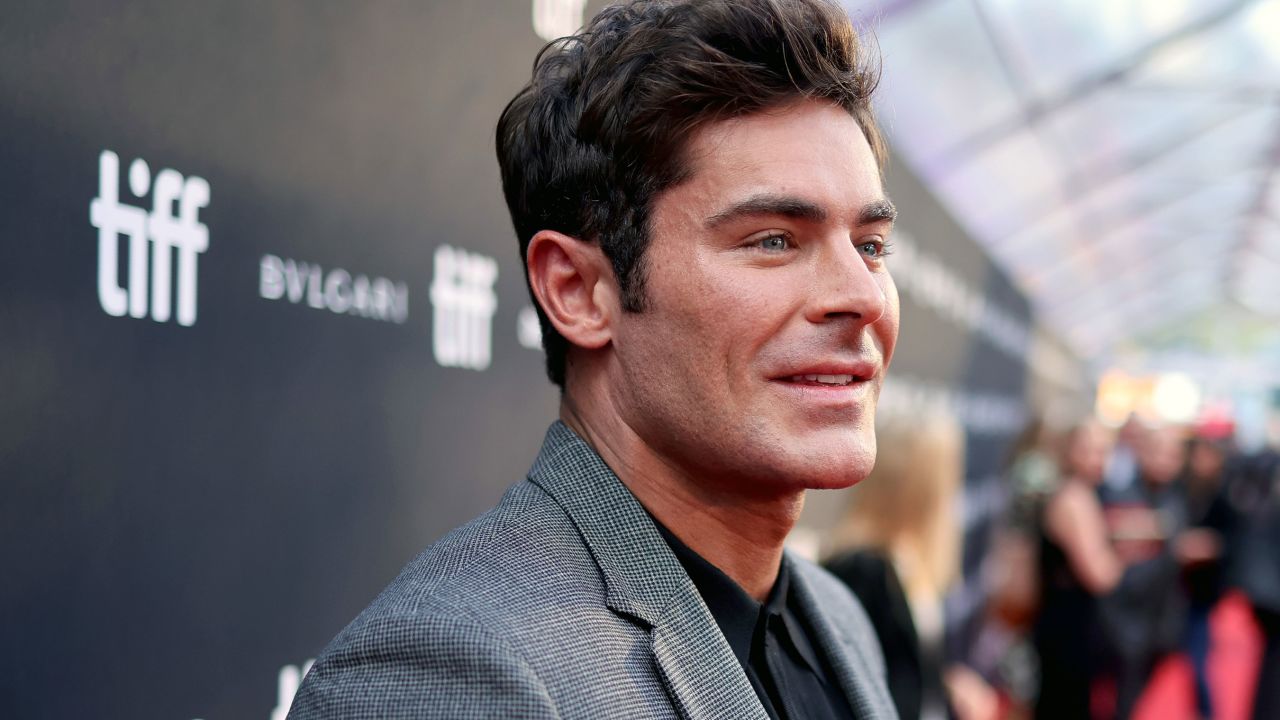
The internet is a wild place. One minute you're the golden boy of Disney, and the next, a single video clip has the entire world debating your bone structure. This happened to Zac Efron in 2021. You probably remember the video. He appeared in a promo for Bill Nye’s Earth Day special and looked... different.
His jaw was massive. His face looked wider. Within hours, the term zac efron botched was trending everywhere. People were calling him the "human Squidward" or a "botched Ken doll." It was mean, honestly. But it also sparked a massive conversation about male plastic surgery and the pressure to look a certain way in Hollywood.
But here’s the thing: the story everyone made up in their heads wasn't the truth.
The Granite Fountain Incident
Most people think Zac just woke up one day and decided he needed a new jawline. That's not what happened. Back in 2013, he was running through his house in socks—we’ve all done it—and he slipped. He didn't just fall; he smacked his chin right against the granite corner of a fountain.
The impact was brutal. He actually lost consciousness. When he finally came to, he realized his chin bone was literally "hanging off his face."
It’s a grisly image.
He had to get reconstructive surgery. His jaw was wired shut. For years, he worked with a specialist and did intensive physical therapy to make sure his face functioned correctly. You'd never have known anything was wrong for a long time because he was diligent about his exercises.
Why the Face Looked "Botched" in 2021
So, why did the changes suddenly show up years later? If the accident was in 2013, why did he look like a different person in 2021?
Zac finally cleared this up in an interview with Men’s Health. He explained that the facial muscles used for chewing—the masseters—work together like a "symphony." When he was injured, those muscles had to overcompensate.
While he was in Australia filming Down to Earth, he took a break from his physical therapy. Without the exercises keeping everything in check, his masseter muscles just... grew. They got huge.
"The masseters just grew. They just got really, really big." — Zac Efron
That "botched" look wasn't a surgeon's mistake. It was muscle hypertrophy. It’s the same way your biceps grow if you lift weights, except it happened to the sides of his face because of a decade-old trauma.
The Reality of Hollywood Expectations
We have to talk about the "why" behind the rumors. Why were we so quick to assume zac efron botched his face with fillers or implants?
Part of it is the "pretty boy" curse. Zac has been a heartthrob since he was a teenager. When a celebrity whose entire brand is "being handsome" changes, the public reacts with a mix of shock and, frankly, a bit of glee. There’s a weird satisfaction people get when they think a perfect-looking person has messed up.
But Zac has been open about the toll this takes. He’s talked about the body dysmorphia he felt after training for Baywatch. He was taking diuretics and overtraining to the point of insomnia and depression.
When you combine that history with a sudden change in his jawline, it's easy to see why people jumped to conclusions. We’re used to celebrities lying about "drinking more water" to explain away a face lift. But in Zac's case, the "shattered jaw" story is backed up by years of medical history and a very real, very scary accident.
Experts Weigh In
While the internet was busy making memes, actual medical professionals were looking at the photos. Dr. Anthony Youn, a well-known plastic surgeon, noted that while masseter hypertrophy is real, the sheer scale of the change led many to suspect "jaw-gate" might involve more.
Some specialists suggested:
- Dermal Fillers: Common for widening the jawline.
- Implants: A more permanent way to get that "chiseled" look.
- Steroid Use: For his role in The Iron Claw, Zac put on a massive amount of muscle. Some hormones can cause facial puffiness or "moon face."
However, looking at his more recent appearances in 2024 and 2025, his face has settled. The extreme wideness has softened. This actually supports his story—if it were an implant, it wouldn't just shrink on its own. If it was muscle growth from pausing therapy, resuming those exercises would naturally bring the swelling down over time.
What We Can Learn From "Jaw-Gate"
Honestly, the whole zac efron botched saga is a lesson in empathy. We saw a man who almost died in a domestic accident and turned it into a punchline.
Zac doesn't even use social media much anymore because of it. He told Men's Health that if he valued what people thought of him to the extent they think he does, he wouldn't be able to do his job. He's focusing on his craft—and it's working. His performance in The Iron Claw was some of the best work of his career.
Actionable Takeaways
If you're dealing with jaw issues or considering facial procedures, here is what you should actually do:
- See a Specialist for Pain: If your jaw is clicking or widening unexpectedly, see a TMJ specialist or an oral surgeon. It might be muscle compensation, not just aging.
- Verify the Source: Before believing a "botched" headline, look for the person's medical history. Trauma-related reconstruction looks very different from elective cosmetic surgery.
- Understand Hypertrophy: Muscle growth in the face is real. If you clench your teeth or have had a jaw injury, your face shape will change over time.
- Prioritize Function Over Aesthetics: Zac's goal was to make sure his jaw worked so he could eat and talk. The aesthetic changes were a side effect of survival.
The next time you see a celebrity looking "different," remember that there's usually a human story behind the pixels. Zac Efron didn't ruin his face; he survived an accident and dealt with the long-term reality of a shattered jaw. He's still one of the most talented actors of his generation, and honestly? He looks just fine.
To better understand the relationship between physical trauma and facial changes, you can consult with a board-certified maxillofacial surgeon who specializes in reconstructive therapy. They can provide insight into how masseter muscles adapt after bone fractures, which is exactly what happened in this case.