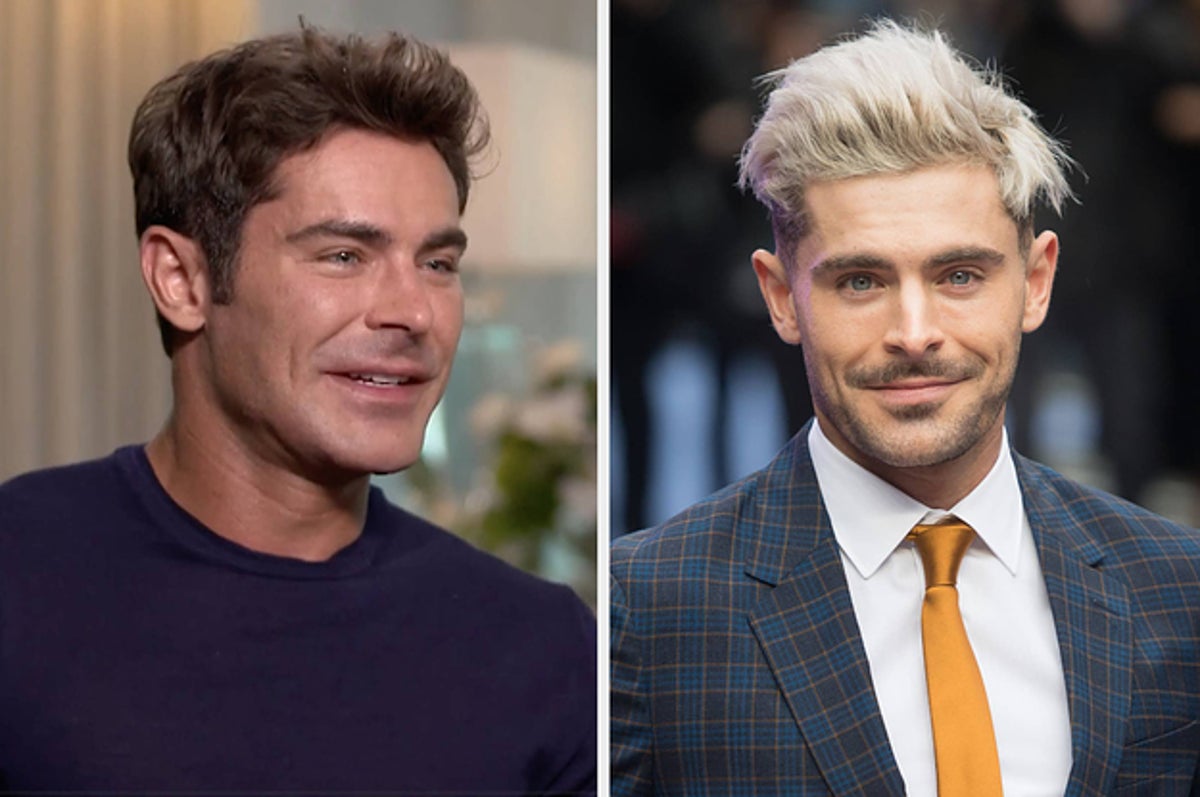
If you spent any time on the internet in April 2021, you likely saw it. That one screenshot. The one where Zac Efron appeared in a Bill Nye Earth Day special looking... well, different. His jaw was massive. His face looked wider. Within minutes, "Jaw-gate" was born. The internet did what it does best: it jumped straight to "botched plastic surgery."
People were ruthless. They called him "Handsome Squidward." They speculated about chin implants, fillers, and aggressive jaw contouring. But for those of us who grew up with Troy Bolton posters on our walls, it was jarring. We knew Zac Efron before plastic surgery rumors became a daily tabloid staple. We remembered the soft-featured, shaggy-haired kid from 2006. Recently making waves in this space: Tiger Woods and the Dangerous Myth of the Victimless Privacy Loophole.
Honestly, the truth is way more painful than a trip to a Beverly Hills surgeon.
The Incident Most People Get Wrong
Most fans assume the change happened recently because of the 2021 viral video. That’s not true. The catalyst for everything happened way back in 2013. More information on this are covered by Reuters.
Zac was running through his house in socks—we’ve all done it—and he slipped. He didn't just fall; he smacked his chin right into the granite corner of a fountain. He actually knocked himself unconscious. When he woke up, he told Men’s Health that his "chin bone was hanging off" his face.
He had to get his jaw wired shut.
Think about that for a second. While the world was watching him transition from teen idol to serious actor, he was privately recovering from a massive facial reconstruction. He had to go through intense physical therapy to get his facial muscles working correctly again.
Why the Jaw Actually Grew
The medical explanation is basically a case of muscles working too hard. Our faces have these things called masseter muscles. They’re the ones you use for chewing. When Zac was injured, the other muscles in his face couldn't do their jobs. To compensate, his masseters went into overdrive.
They grew. A lot.
During the pandemic, Zac was living in Australia. He took a break from his regular physical therapy. Without that guided movement to keep everything in balance, his masseter muscles just kept expanding. By the time he filmed that Earth Day clip, his jaw looked noticeably wider because the muscles were literally "bulking," just like a bicep would at the gym.
The Physical Toll of Being a "Heartthrob"
It’s easy to look at a celebrity and assume they’re vain. But Zac’s relationship with his body has always been complicated. If you look at the era of Baywatch (2017), he looked like a Greek god. He was shredded.
But he was also miserable.
He later admitted he was taking powerful diuretics (pills that flush water out of your system) to get that "paper-thin" skin look. He wasn't sleeping. He was depressed. He was eating the same three meals every single day.
"That Baywatch look, I don’t know if that’s really attainable," Efron told Men’s Health. "There’s just too little water in the skin. Like, it’s fake; it looks CGI’d."
When we talk about Zac Efron before plastic surgery rumors, we have to talk about the pressure he was under to look "perfect." When your entire career is built on being the most handsome guy in the room, any deviation from that—whether it's aging or a traumatic injury—becomes a headline.
Expert Opinions vs. Social Media Noise
Of course, not everyone buys the "accident" story. If you talk to plastic surgeons who haven't treated him, they’ll point out how symmetrical the changes are. Some, like Dr. Anthony Youn, have suggested that while an injury is plausible, the level of volume in the lower face often mirrors what you’d see with fillers or even a chin implant.
But here’s the thing:
- Trauma changes bone structure. A shattered jaw doesn't always heal back to its original "boyish" shape.
- Aging is real. Zac is in his late 30s now. The face loses fat and gains definition.
- Bulking for roles. For The Iron Claw, Zac put on a massive amount of muscle to play wrestler Kevin Von Erich. That kind of physical transformation affects the neck and jawline too.
Even his own mother called him to ask if he’d had surgery. Imagine that. You survive a near-fatal accident, go through years of PT, and your own mom is checking the tabloids to see if you got a chin job.
What We Can Learn From "Jaw-gate"
The obsession with Zac's face says more about us than it does about him. We want our stars to stay frozen in time. We want the 2006 version of Troy Bolton forever. When they change—whether by choice, by age, or by a granite fountain—we feel betrayed.
The reality is that Zac Efron’s face is a map of what he’s been through. It’s the result of a serious injury, a grueling recovery, and the natural process of a man growing out of his "pretty boy" phase.
How to approach celebrity "work" with a bit of nuance:
- Check the timeline: Most "sudden" changes have roots years in the past.
- Consider the "Why": Sometimes it’s vanity; often, it’s reconstructive.
- Watch the filters: Lighting and camera angles in a 10-second video can distort anyone’s features.
- Respect the recovery: Facial trauma is mentally and physically exhausting.
Next time you see a side-by-side comparison of Zac Efron, remember the socks and the granite fountain. It’s a lot easier to judge a photo than it is to heal a shattered jaw. If you're interested in how stars manage their public image after health crises, look into the recovery stories of other actors who faced similar scrutiny after injuries. Focus on the resilience, not just the "after" photo.