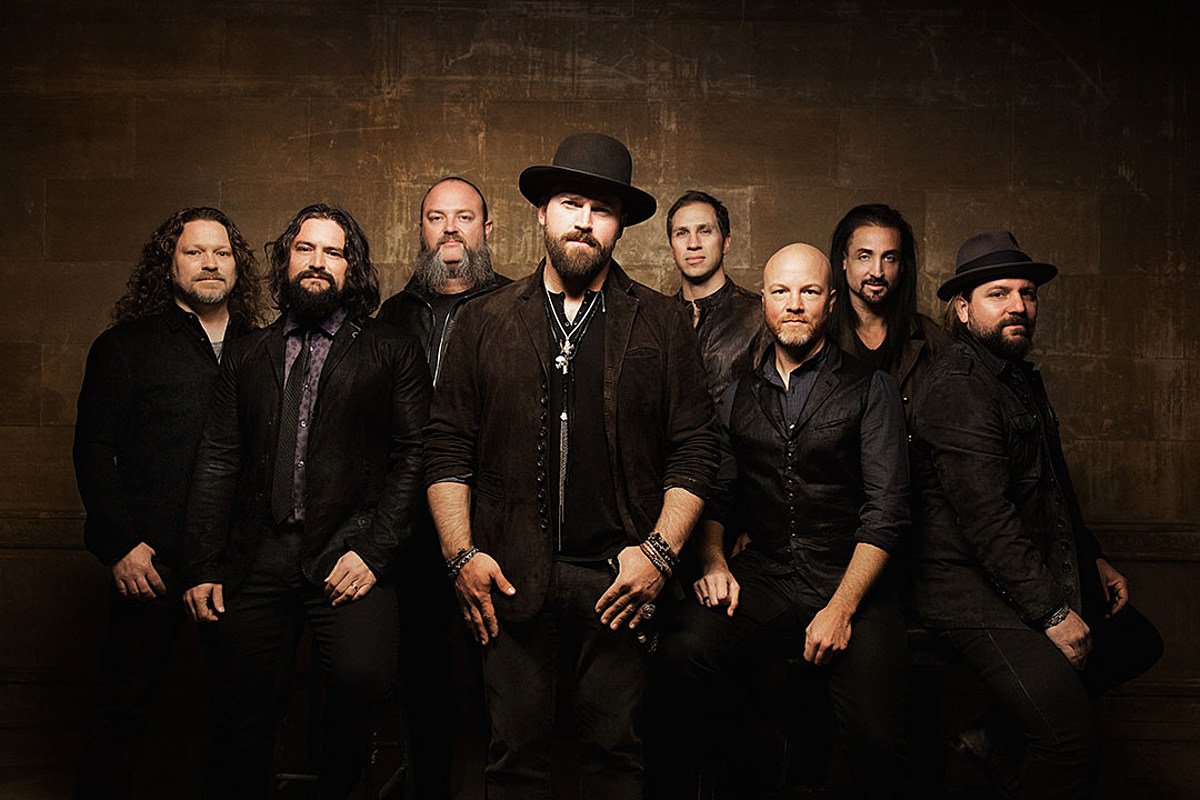
If you were a country fan in 2017, you probably remember the whiplash. One minute, Zac Brown Band was experimenting with Chris Cornell and electronic beats on Jekyll + Hyde, and the next, they were standing around a single microphone singing about their dads. Zac Brown Welcome Home wasn't just a new album title; it was a desperate signal to a fanbase that felt left behind in the dust of Nashville’s pop-crossover craze.
Honestly, the record is a bit of a paradox. It’s warm. It’s acoustic. It feels like a Sunday afternoon in Georgia, yet it carries this strange, heavy weight of an artist trying to apologize for being too creative.
The Dave Cobb Effect and the Return to Basics
The band didn't just talk about going back to their roots; they hired the guy who basically invented the modern "roots" sound. Dave Cobb—the producer behind Chris Stapleton’s Traveller and Jason Isbell’s best work—was brought in to strip everything back.
Gone were the EDM synths. Gone were the heavy rock riffs.
Instead, we got the sound of a band actually playing together in a room. You can hear the wood of the guitars. You can hear the breath between the harmonies. Cobb has this way of making records sound like they’ve existed for forty years, even when they’re brand new. For a band that had spent years adding layers of "more," Cobb forced them to find the power in "less."
It worked, at least commercially. The album debuted at number two on the Billboard 200 and topped the Country Albums chart. Fans bought in because they wanted the guys who sang "Chicken Fried" back. They wanted the fiddle. They wanted the three-part harmonies that made The Foundation a classic.
Why "My Old Man" Still Hits So Hard
You can’t talk about Zac Brown Welcome Home without talking about its lead single. "My Old Man" is, quite frankly, a masterclass in songwriting. It’s a simple, chronological look at the relationship between a son and a father, and it doesn't pull its punches.
"I hope I'm at least half the man my old man was."
Zac wrote this as a tribute to his own father, Jim Brown. It’s poignant because it captures that specific moment in life when you realize your hero is human, and then you realize you're becoming just like him. It’s the "anti-radio" song. There’s no big drum fill. No flashy solo. Just a guitar, a fiddle, and a story.
But here is the thing: some critics felt this song, and the album at large, was almost too safe. While it’s beautiful, some listeners argued that Zac was "playing tee-ball" by sticking to safe country tropes instead of pushing the boundaries like he used to.
The Tracks That Defined the Era
The album is short—only ten tracks—but it covers a lot of emotional ground.
- "Roots": The opening track serves as a mission statement. It’s a big, swelling ballad about the early days of the band, playing for tips and living in a van. It’s a bit on the nose, sure, but the harmonies are undeniable.
- "Family Table": This is quintessential ZBB. It’s about the physical centerpiece of a home where "mercy's the main course." It’s pure nostalgia.
- "Start Over": Interestingly, this one was co-written with Pharrell Williams. Despite the "roots" theme, Zac couldn't totally resist a little pop sensibility. It has that breezy, island vibe that they’ve perfected over the years.
- "Trying to Drive": A re-recording of a song that originally appeared on their 2010 live album. It features Madison Ryann Ward (and was originally done with Aslyn). It’s a soulful, bluesy standout that shows off Zac’s range as a vocalist.
The Kacey Musgraves Connection
The album ends on a high note with a cover of John Prine’s "All the Best." Bringing in Kacey Musgraves for the harmonies was a stroke of genius. Her voice has this crystalline quality that cuts right through Zac’s warm baritone. It’s a bittersweet farewell song that feels more honest than some of the more "calculated" tracks on the record.
When you hear them sing together, you realize that despite the criticism of the album being "too safe," the talent in this band is staggering. They don't need the bells and whistles.
Was It a Calculated Move?
This is where the debate gets spicy. Many critics, including those at Saving Country Music and Rolling Stone, suggested that Zac Brown Welcome Home felt a bit defensive. After the mixed reaction to Jekyll + Hyde, it felt like the band was saying, "Look! We still drink beer! we still love our dads! Please don't leave us!"
There is a fine line between a "return to form" and "overcorrection."
For some, this album was the "warm, comfortable bath" they needed. For others, it was aggressively bland Americana. Zac himself later hinted in interviews that he felt pigeonholed by the expectations of the country genre. Shortly after this "homecoming," he veered off again into the experimental (and highly controversial) The Owl.
Actionable Insights for Fans and Musicians
If you’re revisiting this era of the band or looking to understand their discography, here’s how to approach it:
- Listen for the Production: Pay attention to the "empty space" in the mix. Dave Cobb’s production style is a lesson in how to let a song breathe without over-layering instruments.
- Study the Lyrics: If you're a songwriter, "My Old Man" and "2 Places at 1 Time" are excellent examples of how to write about universal themes (fatherhood, touring) without being overly cliché—though "Family Table" might lean a bit harder into the tropes.
- Compare the Eras: To really appreciate what happened here, listen to "Heavy is the Head" (from the previous album) and then immediately play "Real Thing." The contrast tells the entire story of the band's identity crisis in 2017.
- Check Out the Collaborators: This album is a gateway to other great artists. If you like the sound of Welcome Home, you'll likely enjoy the production work Dave Cobb did for Sturgill Simpson or the songwriting of Niko Moon, who was a core writer on this project.
Ultimately, whether you think it was a sincere love letter to the fans or a tactical retreat to familiar territory, the album remains a pivotal moment in the band's history. It proved that Zac Brown Band could still deliver the acoustic magic that made them famous, even if the "home" they returned to felt a little different than the one they left.



