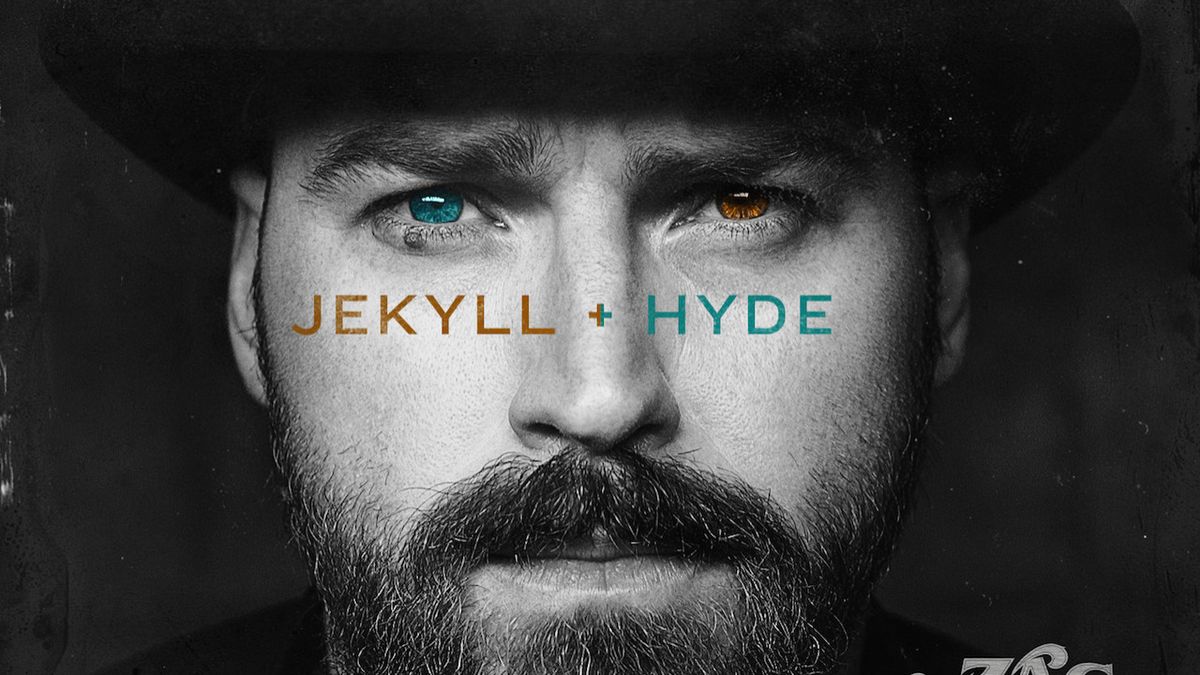
It was 2015. Zac Brown was the king of the "toes in the water, ass in the sand" brand of country. He had the beanie, the beard, and a string of multi-platinum hits that defined the backyard barbecue soundtrack for a generation. Then, he dropped an album that basically lit that comfort zone on fire.
Zac Brown Jekyll and Hyde wasn't just a new record. It was a 16-track identity crisis that forced fans to choose: do you love the band, or do you just love the genre? Meanwhile, you can read other events here: The Anatomy of a Public Doubt.
Honestly, the title was a warning. Dr. Jekyll was the harmony-drenched, acoustic-loving storyteller we knew from "Chicken Fried." Mr. Hyde was the guy who wanted to record hard rock with Chris Cornell, swing jazz with Sara Bareilles, and—most controversially—EDM-infused pop that sounded like it belonged in a Vegas nightclub.
Looking back, it’s wild to see how much this one album shifted the trajectory of the band. Some call it their most ambitious masterpiece. Others? Well, they’re still waiting for them to "come back home" to country. To understand the complete picture, we recommend the recent report by Deadline.
The Beautiful Drug Debacle
The record kicked off with "Beautiful Drug." If you want to know why some purists still haven't forgiven the band, start there. It wasn’t just a pop song; it was a synth-heavy, four-on-the-floor dance track. Zac Brown didn't just dip a toe into pop—he did a cannonball.
Critics like Saving Country Music absolutely tore it apart at the time, calling it a "sellout moment." But here's the thing: it worked. It became a massive hit. It proved that Zac Brown’s voice—that warm, versatile instrument—could carry almost any production style, even if it felt like a betrayal to the folks wearing cowboy boots in the front row.
Why the Genre-Hopping Was Actually Brilliant
If you can get past the "it's not country" argument, you start to see the sheer musical muscle on display. Not many bands have the guts (or the talent) to put these tracks on the same disc:
- "Heavy Is the Head": A literal grunge-rock anthem featuring the late, great Chris Cornell. It actually topped the Mainstream Rock charts. A country band at #1 on rock radio? That’s unheard of.
- "Mango Tree": A full-on big-band swing number with Sara Bareilles. It sounds like something out of a 1940s ballroom. It’s sophisticated, lush, and technically difficult to pull off.
- "Dress Blues": This is the Jekyll side. A heart-wrenching cover of Jason Isbell’s tribute to a fallen soldier. It’s arguably one of the best vocal performances of Zac’s career.
The band was basically saying, "We are world-class musicians, not just a country act." They wanted to be Nashville’s version of the Dave Matthews Band—a group that could jam, pivot, and play anything.
The Problem with Having "Something for Everyone"
The biggest critique of the album—and it's a fair one—is that it lacks a "vibe." When you listen to an album like The Foundation, you know exactly where you are. You’re on a porch in Georgia.
With Zac Brown Jekyll and Hyde, you're in a club, then a jazz bar, then a rock concert, then a funeral. It’s exhausting. The tracklist feels more like a Spotify playlist than a cohesive artistic statement. For the casual listener, that’s great. For the die-hard fan who wants to sink into a specific mood, it’s jarring.
The Long-Term Fallout
Zac Brown has been vocal about his disdain for "buckets." He famously told The Boot that he’s an artist, not just a country singer. He doesn't like being told what to create.
But there’s a price for that freedom. After this album, the band's relationship with country radio got... complicated. While "Homegrown" (the lead single) was a smash, later experiments like The Owl faced even harsher backlash. It’s like the band spent so much time proving they could do everything that they forgot why people fell in love with them in the first place.
Is Jekyll and Hyde Worth a Re-Listen?
Absolutely. If you haven't spun this record in a few years, go back to it with fresh ears. Ignore the "country" label. Just listen to the musicianship.
How to experience the album today:
- Skip the fillers: Songs like "Tomorrow Never Comes" (the EDM version) haven't aged particularly well. Stick to the acoustic version instead.
- Focus on the collaborations: The Cornell and Bareilles tracks are still high-water marks for the band's discography.
- Appreciate the risk: In an era where most artists are terrified of losing their "brand," this was a gutsy, middle-finger-to-the-establishment move.
What to do next
If you're a fan of the band's more experimental side, check out the Grohl Sessions, Vol. 1. It was produced by Dave Grohl and serves as a bridge between their early sound and the "Hyde" era of this album. For those who hated the pop stuff, 2021's The Comeback is exactly what it sounds like—a return to the organic, guitar-and-fiddle sound that started it all.
Compare the two. You’ll see that without the wild experimentation of the Zac Brown Jekyll and Hyde era, the band probably wouldn't have the perspective they have now. They had to leave home to realize what made it so special.



