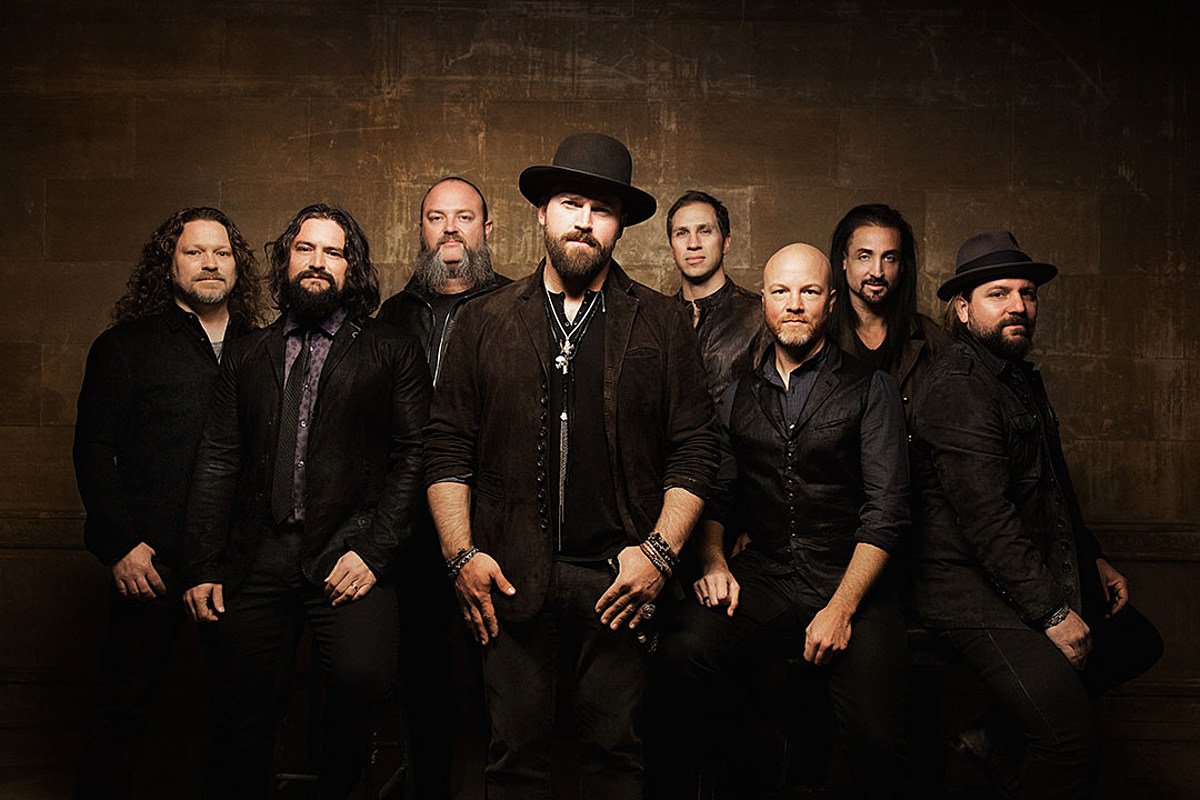
Let’s be real for a second. If you were a country fan in 2015, the Zac Brown Band probably gave you a bit of whiplash. One minute they’re singing about fried chicken and cold beer, and the next, they’re collaborating with Chris Cornell and flirting with EDM. It was a wild ride. But then came 2017, and with it, an album that felt like a collective sigh of relief for the traditionalists: Welcome Home.
Most people look at this record as a simple "return to form." A retreat. An apology tour. But that’s a bit of a lazy take. Honestly, if you dig into the 10 tracks that make up this project, you’ll find it’s way more than just a band running back to their safety net. It’s a calculated, deeply personal, and sometimes polarizing attempt to redefine what "home" actually means when you’re one of the biggest acts in the world.
Why Welcome Home Was a Hard Pivot
To understand why Welcome Home sounds the way it does, you have to remember the chaos of the Jekyll + Hyde era. That album was a monster. It was ambitious, messy, and stylistically all over the place. While it was a commercial smash, it left a lot of the Day 1 fans feeling a little lost in the shuffle.
Zac Brown didn't just stumble into the acoustic warmth of this record. He sought it out. He brought in Dave Cobb, the producer who basically became the architect of the modern Americana sound by working with guys like Chris Stapleton and Jason Isbell. Cobb doesn't do "glossy." He does "gut-level."
The result? An album recorded in just six days. No over-thinking. No digital sheen. Just the band in a room at Southern Ground Nashville, playing instruments that actually sound like wood and wire.
The Tracklist That Divided the Critics
If you look at the songs, the theme isn't exactly subtle. I mean, the first track is literally called "Roots."
- Roots: This is the mission statement. It’s a mid-tempo biographical journey that reminds everyone Zac didn’t just wake up a superstar; he paid his dues in the Georgia clay.
- My Old Man: This is arguably the emotional peak of the record. It’s a sparse, tear-jerker of a ballad about fatherhood and legacy. It’s the kind of song that makes grown men pull over to the side of the road.
- Family Table: A bit more upbeat, almost leaning into that "Jump Right In" rhythm. It’s about the domestic altar where life happens—the kitchen table.
- Real Thing: Here’s where some critics started to roll their eyes. It’s a song about authenticity that some felt was a bit too on the nose. References to "genuine, made in the USA" felt a little forced to some, while others found it comforting.
The Secret Sauce: Real Collaborations
One thing that doesn't get talked about enough is the guest list. Usually, when a band goes "back to basics," they cut out the features. Not here. But the choices were deliberate.
You’ve got Kacey Musgraves showing up for a cover of John Prine’s "All the Best." It’s stunning. Their voices together feel like they’ve been singing in the same church choir for twenty years. Then there’s Aslyn, a powerhouse from Atlanta who joins in on "Trying to Drive." It’s a re-recording of a deep cut from their 2010 live album, and it brings a soulful grit that keeps the album from feeling too sleepy.
Even Pharrell Williams gets a credit on "Start Over," which is your mandatory "Zac Brown beach song." You can't have a ZBB record without a mention of sand and a drink, right? It’s the law.
Was it Actually "Authentic"?
This is the big debate. Some reviewers, like those at Rolling Stone or Saving Country Music, felt the album was a little too calculated. They saw it as a band being "too safe" after their experimental phase didn't land perfectly with everyone.
But talk to the fans who saw them on that tour. They’ll tell you something different.
There’s a nuance here that gets missed. Zac Brown wasn't just making a "country" record; he was making a "songwriter" record. He cited influences like James Taylor and Jim Croce. He wanted to prove that even without the pyrotechnics and the genre-bending, the songs could stand on their own two feet. Whether or not you think he overcompensated, the musicianship—especially the fiddle work from Jimmy De Martini and the harmonies from John Driskell Hopkins—is objectively top-tier.
Lessons from the Welcome Home Era
Looking back at it now, Welcome Home serves as a fascinating case study in artist-fan relations. It shows what happens when a band listens to the "uproar" and tries to give the people exactly what they asked for.
Sometimes, that results in a masterpiece. Other times, it results in a very comfortable, very safe "warm bath" of an album.
If you're looking to dive back into this era of the band's history, don't just stream the hits. Listen to "2 Places at 1 Time." It’s a raw look at the guilt of being a touring musician—wanting to be on stage and wanting to be at home with the kids simultaneously. That’s the real heart of the record.
Actionable Insights for Your Next Listen:
- Compare the production: Listen to "Beautiful Drug" from Jekyll + Hyde and then immediately play "My Old Man." The contrast in Dave Cobb’s "live" production style versus the previous album’s digital layering is a masterclass in how a producer changes a band’s DNA.
- Check out the original "Trying to Drive": Find the 2010 version on Pass the Jar and compare it to the Welcome Home version. It’s a great way to see how the band’s vocal arrangements matured over seven years.
- Don't skip the cover: John Prine passed away not long after this album came out. Hearing Zac and Kacey Musgraves tackle "All the Best" now feels even more poignant than it did in 2017.
Whether you think it was a brave return or a tactical retreat, there’s no denying the craft on display. Sometimes, you have to go all the way around the world to realize that the best songs are the ones you can play on a porch with just a guitar and a couple of friends.



