If you’ve ever sat in your truck, staring at the steering wheel while a song finishes because you don’t want to walk into the house with red eyes, you probably know the feeling. Zac Brown Band’s "My Old Man" does that to people. It’s not just a country song; it’s basically a three-minute-and-forty-seven-second gut punch about growing up, losing your hero, and then realizing—with a bit of a shock—that you’ve become him.
Honestly, when it dropped in February 2017 as the lead single for the Welcome Home album, it felt like a weird move. The band had just come off the back of Jekyll + Hyde, an album where they were experimenting with electronic beats and rock vibes. Then, suddenly, they stripped everything away. No big production. No heavy drums. Just an acoustic guitar, a fiddle that sounds like it’s weeping, and those tight, signature harmonies.
It was a return to their roots, sure, but it was also something way more personal than "Chicken Fried."
The Story Behind the Lyrics
The song wasn't just some generic tribute written to top the charts. In fact, it didn't even hit Number 1. It peaked at #68 on the Billboard Hot 100, but its "success" isn't measured in radio spins. It’s measured in the silence that follows when it plays at a funeral or a Father’s Day barbecue.
Zac Brown wrote this with Niko Moon and Ben Simonetti. While it’s largely about his biological father, Jim Brown, there’s another layer to it. Zac has often mentioned his late mentor, Rodney Shelton, whom he also called his "old man."
The lyrics follow a timeline that most sons recognize:
- The Giant: In the first verse, the dad is a superhero. "He was a giant, and I was just a kid."
- The Defiance: The second verse hits that messy teenage phase. You’re "defiant" when he makes you "walk the line." You think he’s being tough just to be tough, but the song acknowledges the hindsight: "he always had a plan."
- The Mirror: By the third verse, the narrator is the giant. He has a son of his own. And then comes the line that usually breaks people: the realization that the original "old man" is gone, "looking down" from heaven.
Why it feels different from other "Dad Songs"
Most country songs about fathers are about fishing or working on an old Chevy. While this mentions "callous on his hands and dusty overalls," it focuses more on the emotional weight of the legacy. It's about the "boots" you’re trying to fill.
Zac actually played the song for his dad, Jim, for the first time during Thanksgiving. Jim later admitted in an interview with Willie Geist that it brought "a lot of tears." You can’t really blame him. Hearing your son sing, "I hope he's proud of who I am," is a heavy moment for any parent.
A Stripped-Back Masterpiece
Let's talk about the sound. Dave Cobb produced the Welcome Home album, and if you know his work (Chris Stapleton, Sturgill Simpson), you know he hates "shiny" production. He wanted the Zac Brown Band to sound like they were sitting in your living room.
The arrangement of My Old Man is incredibly sparse:
- The Fiddle: Jimmy De Martini’s violin work isn't flashy here. It’s atmospheric. It fills the gaps between the verses like a memory.
- The Vocals: Zac’s voice is vulnerable. He isn't belting. He sounds like a guy telling a story over a beer.
- The Ending: The song ends with a repetition of the hook, "My old man," fading out. It’s a lingering thought rather than a big finish.
What Most People Miss
Some critics at the time, like those from Rolling Stone, thought the album was a bit "on the nose" or too safe. They felt the band was overcompensating for their previous pop-leaning experiments. Maybe.
But if you look at the fan reaction, the "safety" of the song is what made it work. It provided a touchstone for people dealing with grief. It’s become a staple at weddings for father-daughter dances, which is a bit ironic considering the lyrics are specifically about a father and son, but the sentiment—that "I finally understand" moment—is universal.
The song also highlights the band's technical skill. It’s easy to hide behind a wall of sound. It’s much harder to keep a listener’s attention for nearly four minutes with just a few acoustic instruments.
Putting the Lessons Into Practice
If you're listening to this song and it’s hitting home, it usually sparks a bit of reflection. Here is how people typically "use" this song in real life, beyond just listening to it on Spotify:
- The "Call Him" Reminder: It’s the ultimate "call your dad" song. If he’s still around, use the song as an excuse to check in.
- Legacy Building: The song asks, "I hope he’s proud of who I am." It forces a bit of a self-audit. Are you filling the boots, or are you just wearing them?
- Healing the Rift: The second verse about being "defiant" is a good reminder that the friction you had with a parent in your 20s usually looks different once you’re the one holding the "plan."
Basically, the song is a reminder that time moves fast. One day you're the kid looking up at the giant, and the next, you're the one trying to make sure you don't let your own kid fall.
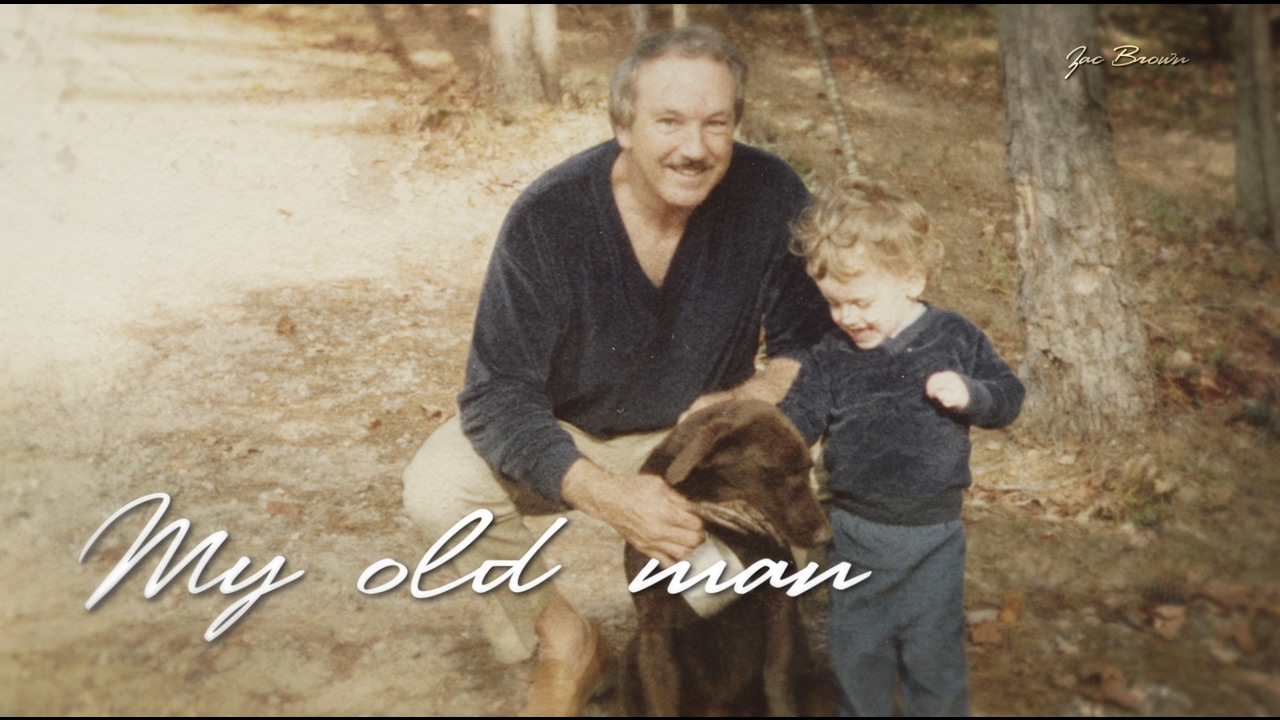
Next Steps for You If you want to dive deeper into this era of the band, go back and listen to the full Welcome Home album in order. Pay special attention to "Roots" and "Family Table." Those three songs together form a trilogy of what the band considers the "important things." If you're feeling particularly brave, watch the "Fan Edition" music video of "My Old Man"—it features real photos of fans with their fathers, and it’s a guaranteed tear-jerker.