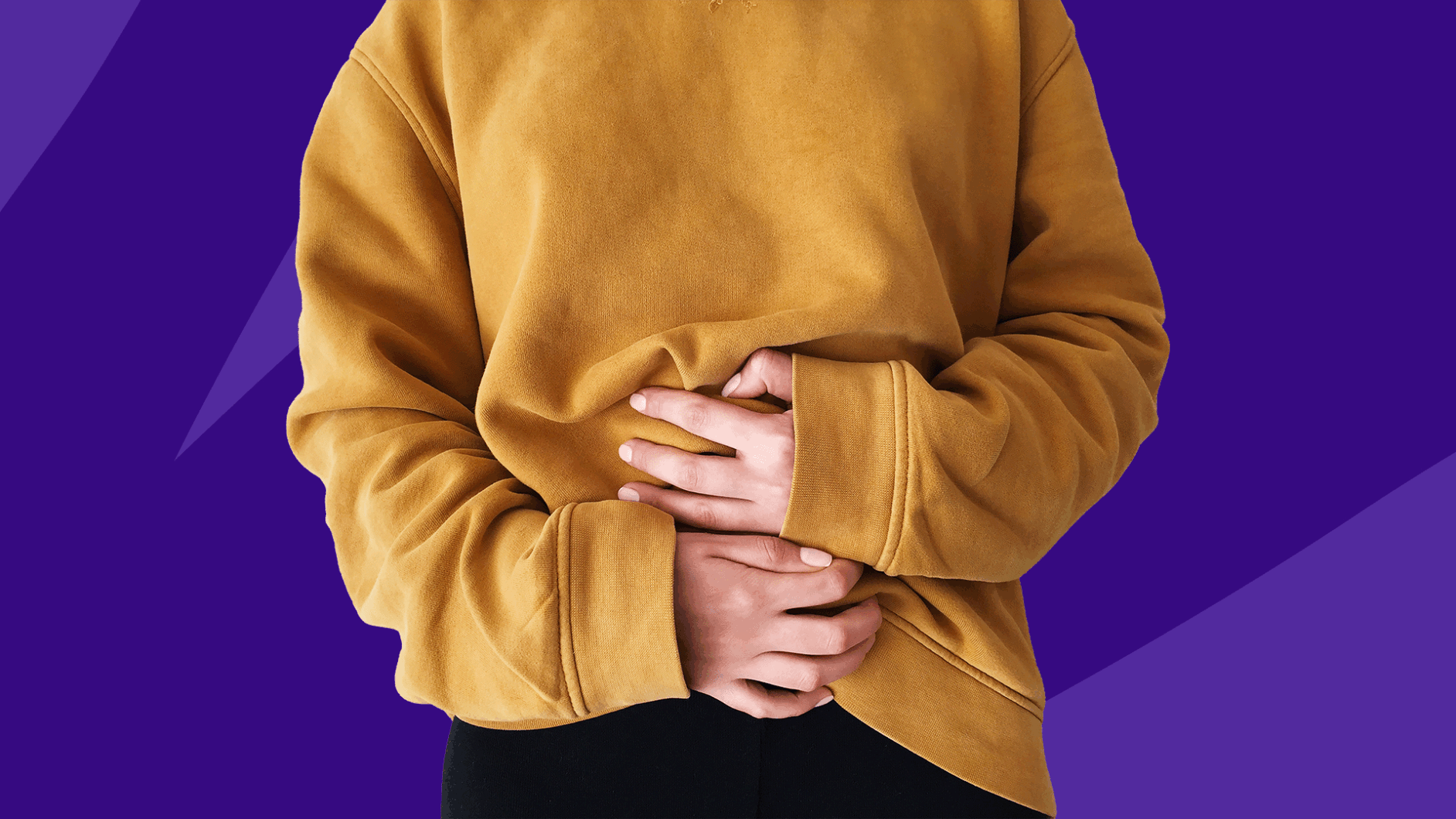
You're lying on the couch, clutching a heating pad, wondering why the medicine meant to cure your sinus infection feels like it’s punching you in the gut. It’s the classic z pack stomach pain. Honestly, it's one of the most common complaints doctors hear when they prescribe azithromycin. You wanted to breathe again; instead, you're dealing with cramping, nausea, or a sudden, urgent need to find a bathroom. It’s frustrating.
Azithromycin—the generic name for that Zithromax Z-Pak—is a heavy hitter in the world of macrolide antibiotics. It’s famous because it stays in your system for a long time. You take it for five days, but it keeps working for ten. That’s great for killing bacteria. It’s less great for your stomach lining.
Why azithromycin wreaks havoc on your insides
Most people think antibiotics just "upset" the stomach. That’s a bit of an understatement. What’s actually happening is a chemical tug-of-war. Azithromycin is a prokinetic agent. This means it actually mimics a hormone in your body called motilin.
Motilin's job is to make your intestines move. When you take a Z-Pak, the drug binds to motilin receptors and tells your GI tract to start contracting. Hard. This isn't your normal digestion; it's a forced march. This is why the z pack stomach pain often feels like intense cramping or "gnawing" rather than just a simple ache. Your smooth muscles are being told to flex when they don't want to.
Then there’s the microbiome issue. We’ve all heard about "good bacteria." Antibiotics are scorched-earth weapons. They don't just target the strep throat or the pneumonia bacteria; they wipe out the bifidobacteria and lactobacilli that keep your gut peaceful. When those guys die off, the balance shifts. Your gut gets inflamed. It gets irritated. You get gas.
Sometimes, it’s not just the drug itself but the fillers. If you look at the FDA prescribing information for Zithromax, you’ll see it contains things like lactose. If you’re even slightly lactose intolerant, that tiny pill might be enough to trigger a localized revolt in your small intestine.
The difference between "normal" pain and a red flag
It’s easy to say "just tough it out," but you need to know when the pain is a side effect and when it’s a secondary infection. Most z pack stomach pain starts within an hour or two of taking the dose. It usually subsides as the drug absorbs.
However, there is a monster lurking in the shadows of antibiotic use: Clostridioides difficile, or C. diff.
While azithromycin isn't the most common cause of C. diff—drugs like clindamycin or fluoroquinolones usually take that crown—it still happens. If your stomach pain is accompanied by watery diarrhea more than three times a day, or if you see blood, stop. That’s not a standard side effect. That’s an emergency.
Also, watch out for the liver. It's rare, but azithromycin can cause cholestatic jaundice. If that stomach pain is specifically in the upper right quadrant (under your ribs) and your skin looks a bit yellow or your urine looks like dark tea, call your doctor immediately. Don't wait for the pack to finish.
Does taking it with food actually help?
This is where the advice gets a bit murky. The official Pfizer package insert says Zithromax tablets can be taken with or without food. But if you’re staring down a case of z pack stomach pain, food is your best friend.
A small meal—think toast, a banana, or some rice—acts as a physical buffer. It slows down the rate at which the medication hits those motilin receptors in the stomach lining. You don't want a buffet. A massive, fatty meal can actually change how some drugs are absorbed, though azithromycin is pretty hardy. Just a "base layer" in your stomach is usually enough to take the edge off the cramping.
Managing the aftermath: The 24-hour rule
You’ve finished the pills. The infection is clearing up. But your stomach still feels like a disaster zone. Why? Because the drug is still there. Azithromycin has an incredibly long half-life—about 68 hours. This means even after your last dose, the "ghost" of the Z-Pak is still haunting your intestines for several days.
The Probiotic Strategy Don't just grab any yogurt. Look for Saccharomyces boulardii. It’s actually a yeast, not a bacteria, which means the antibiotic can't kill it. Taking this while you're on the Z-Pak (and for a week after) can significantly reduce the risk of antibiotic-associated diarrhea.
Hydration is non-negotiable If you have diarrhea, you're losing electrolytes. It's not just water; it's salt and potassium. A pinched nerve or a leg cramp on top of stomach pain is a miserable combo. Drink broth or an electrolyte solution. Skip the sugary "sports" drinks; sugar can actually make diarrhea worse by drawing more water into the gut.
The BRAT diet is old school but works Bananas, Rice, Applesauce, Toast. It’s boring. It’s bland. But it gives your overworked motilin receptors a break. Avoid spicy food, coffee, and alcohol for at least 72 hours after your last pill. Your gut lining is essentially "sunburned" from the chemical irritation; don't pour salsa on a sunburn.
Why doctors still prescribe it despite the gut issues
You might be wondering: "If this stuff kills my stomach, why am I taking it?"
The Z-Pak is a miracle of convenience. Compliance is the biggest hurdle in medicine. People forget to take pills. A ten-day course of penicillin is hard to finish. A five-day Z-Pak is easy. Doctors know that if you finish the course, the bacteria dies and doesn't become antibiotic-resistant.
Azithromycin is also incredibly effective at penetrating tissues. It hitches a ride on your white blood cells. Your own immune system literally carries the medicine to the site of the infection. That’s brilliant science, even if the "ride" through your digestive system is a bit bumpy.
Real-world scenarios: What I’ve seen work
I've talked to countless patients who swear by ginger. Not ginger ale—which is mostly high fructose corn syrup and bubbles—but real ginger tea or gin-gin candies. Ginger is a natural prokinetic antagonist. It helps settle those forced contractions.
Another trick? Change the time of day you take it. If you take it in the morning and spend all day nauseous at work, try taking it right before bed with a light snack. Sometimes you can literally sleep through the worst of the z pack stomach pain. Just don't lie flat immediately; give it 30 minutes so you don't add acid reflux to your list of problems.
Dealing with the "Antibiotic Tongue"
Sometimes the pain isn't just in the stomach. You might notice a weird metallic taste or a white coating on your tongue. This is oral thrush, a yeast overgrowth. It often happens alongside the stomach issues because the balance of power in your body has shifted. If this happens, mention it to your pharmacist. An over-the-counter antifungal or even just rinsing with salt water can help, but it’s a sign that your system is definitely out of whack.
Actionable steps for your recovery
If you are currently suffering, stop scrolling and do these three things:
- Check your temperature: If the stomach pain is paired with a rising fever, it's a sign of a more serious inflammatory response or the infection spreading.
- Space out your supplements: If you’re taking magnesium or calcium, wait at least two hours after your Z-Pak dose. These minerals can bind to the antibiotic and make it less effective, while also doubling down on the GI irritation.
- Invest in a high-quality probiotic: Look for one with at least 10 billion CFUs (Colony Forming Units) and include the S. boulardii strain mentioned earlier.
The pain is usually temporary. It’s a side effect of a powerful tool doing its job. Usually, within 48 hours of the final dose, the "motilin mimicry" stops, and your gut starts to find its rhythm again. If it doesn't, or if the pain becomes sharp and localized, that’s your cue to stop playing WebMD and call a professional.
Recovery isn't just about the lungs or the sinuses; it's about getting your digestive system back on its feet. Be patient with your body. It's been through a chemical war. Feed it soft foods, keep it hydrated, and give those "good" bacteria a chance to move back into the neighborhood.
/i.s3.glbimg.com/v1/AUTH_08fbf48bc0524877943fe86e43087e7a/internal_photos/bs/2025/H/e/ewwgKCQCSopdUJUwy6DA/imagem-2025-04-27-114802986.png)


