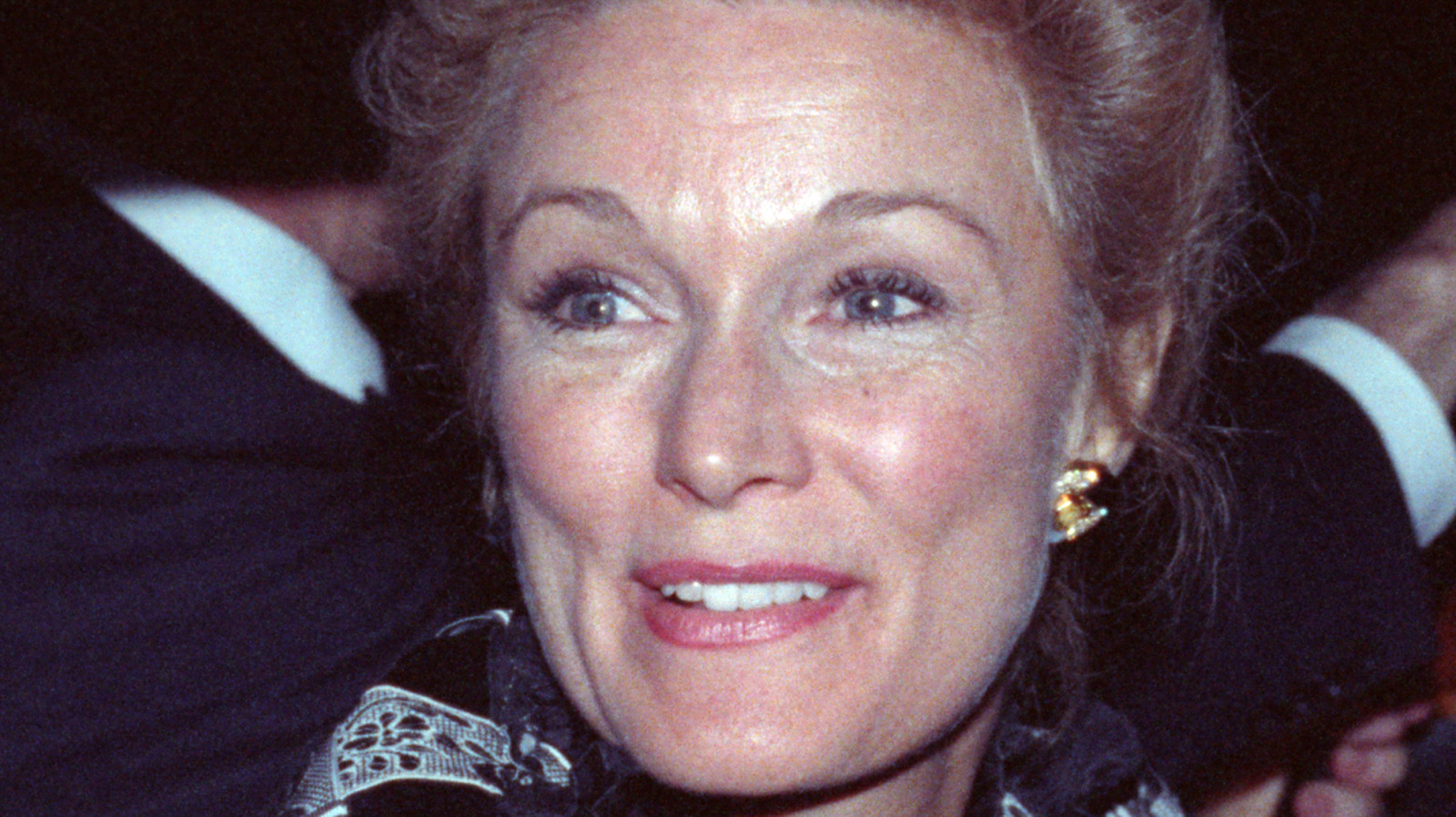
She walked onto the screen in 1960 and basically changed how we looked at the future. When people talk about The Time Machine actress, they are almost always talking about Yvette Mimieux. She played Weena. You remember her—the ethereal, blonde Eloi who didn't know what fire was and seemed totally lost in a world that had forgotten its own history.
It's weird.
Mimieux wasn't even twenty when the movie came out. George Pal, the director, took a massive gamble on her because she hadn't really done anything big yet. But her performance stuck. It wasn't just about being a "pretty face" in a sci-fi flick. She had to portray a version of humanity that had literally evolved—or devolved—into a state of permanent childhood. If she didn't sell that innocence, the whole movie would have felt like a cheap B-movie. Instead, it became a classic that people are still dissecting decades later.
Why Yvette Mimieux defined the 1960s sci-fi aesthetic
Most folks don't realize that Mimieux was actually a pioneer for women in the genre. Before her, the "damsel" in sci-fi was often just there to scream at a rubber monster. In The Time Machine, her character represented the stakes of the entire plot. If Rod Taylor’s character, George, couldn't save Weena, he wasn't just failing a girl; he was failing the future of the human race.
She had this look. It was haunting.
Mimieux’s casting was a bit of a fluke. She was discovered while horseback riding in Hollywood. Seriously. That kind of "Old Hollywood" discovery story sounds fake now, but for her, it was the reality. She signed with MGM and suddenly she was the face of the year 802,701.
The chemistry between her and Rod Taylor was quiet. It wasn't an explosive romance. It was more of a protective, curious connection that grounded the high-concept physics of H.G. Wells' story. When you watch the film today, her performance holds up because she doesn't overact. She stays still. She watches. She captures that "blank slate" energy that Wells described in his book, even if the movie took some liberties with the source material.
The Morlocks, the Eloi, and the pressure of the role
Filming wasn't exactly a vacation. Imagine being a teenager on a set filled with guys in heavy blue prosthetics and shaggy hair. The Morlocks were terrifying for the time. Even though the practical effects look a bit dated now, the atmosphere on that set was intense.
Mimieux had to carry the emotional weight of the Eloi.
They were a civilization that had given up. No books. No art. No curiosity. Playing someone with zero intellectual curiosity is actually incredibly hard for a smart actress. She had to dim her own spark to make Weena believable.
Interestingly, there were other versions of this story. In the 2002 remake, Samantha Mumba took on the role (renamed Mara). Mumba brought a much more capable, warrior-like energy to the part, which fit the early 2000s vibe of "action heroines." But for many purists, the original The Time Machine actress remains the definitive one because she leaned into the tragedy of the character's helplessness.
Beyond the Time Machine: A career of quiet rebellion
Yvette Mimieux didn't want to be just a sci-fi icon. She was actually kind of a rebel in the industry. She later became one of the first actresses to openly push for better roles for women, eventually turning to writing because she was tired of the "pretty girl" scripts she was getting.
- She starred in Where the Boys Are, which was a massive cultural touchstone for the 1960s youth.
- She took a huge risk with the film The Delta Factor.
- She even wrote her own TV movies, like Hit Lady, because she wanted to play a professional assassin instead of a victim.
It's a bit of a tragedy that people only remember the blonde hair and the short tunics from the Eloi days. She was a business woman. She was an anthropologist in her spare time. She traveled the world long before it was easy to do so. She was way more complex than the character that made her famous.
What happened to the 1960 version of Weena?
Mimieux eventually walked away from Hollywood on her own terms. That's rare. Usually, the industry spits people out, but she just... left. She moved into real estate and art. She lived a very private life until she passed away in 2022 at the age of 80.
When she died, the internet saw a massive spike in searches for "the girl from The Time Machine." It's funny how we circle back to these images. We see a photo of her in that simple white outfit, standing against a backdrop of futuristic ruins, and it triggers this weird nostalgia for a future that never happened.
Common misconceptions about the casting
- Was she British? Nope. Born in Los Angeles. Her father was French and her mother was Mexican. That "exotic but familiar" look was exactly what the producers wanted for a future human.
- Did she do her own stunts? Mostly. The scene where she’s trapped in the Morlock caves involved a lot of running around in dark, cramped sets.
- Was she the first choice? Not necessarily, but once she auditioned, Pal stopped looking. He said she had a "quality of otherworldliness."
The technical impact of her performance
If you look at the cinematography of The Time Machine, the camera lingers on Mimieux's face a lot. This was a deliberate choice by director of photography Paul Vogel. They used specific lighting filters to give her a glow. It was meant to contrast with the dark, grimy underground world of the Morlocks.
This visual contrast—the golden girl vs. the blue monsters—became the blueprint for a lot of sci-fi that followed. You can see echoes of her look in everything from Star Trek to The Fifth Element.
The movie won an Oscar for Special Effects, but the heart of the story was the relationship between the traveler and the girl. Without that, it’s just a movie about a fancy chair that spins.
How to appreciate her work today
If you're going back to watch her films, don't just stop at the 1960 classic. Check out Toys in the Attic (1963) or The Black Hole (1979). In The Black Hole, she plays Dr. Kate McCrae, and you can see how much she had matured as an actress. She went from the girl who needed saving to the scientist who was doing the saving.
Honestly, Mimieux’s career is a masterclass in how to handle being a "starlet." She didn't let it consume her. She used the fame to get what she wanted, and then she went and lived a real life.
Key takeaways for film buffs and researchers
To truly understand why The Time Machine actress remains a focal point of film history, you have to look at the context of 1960. We were in the middle of the Cold War. The idea that humanity might split into two species—one that lives above ground in leisure and one that toils below—was a terrifying social commentary. Mimieux was the face of that warning.
If you're writing about her or researching the era:
- Focus on the social themes: The Eloi weren't just "dumb blondes"; they were a warning about the loss of intellectual culture.
- Look at her writing: Seek out Hit Lady (1974) to see her range as a creator, not just an actress.
- Analyze the makeup: The 1960 film used revolutionary practical effects that Mimieux had to interact with directly, which influenced her performance style.
- Check out the soundtrack: Russell Garcia’s score specifically uses lighter, melodic themes whenever Mimieux is on screen, which helped cement her "ethereal" reputation.
The best way to honor her legacy is to recognize her as more than just a character in a sci-fi movie. She was a creator, a traveler, and a woman who refused to stay in the box Hollywood built for her.
If you want to dive deeper into the production of the 1960 film, look for the documentary The Time Machine: The Journey Back. It features some of the last footage and interviews involving the original cast and crew, providing a behind-the-scenes look at how they built the world of the Eloi on a limited budget. Exploring the original MGM production archives also reveals how much of the "look" of the future was actually inspired by 1950s high fashion, adapted to look like primitive garments.
Next, you might want to compare the 1960 film's depiction of the Eloi with the original descriptions in H.G. Wells' 1895 novella. The differences in how Weena is portrayed—from a tiny, almost doll-like creature in the book to a young woman in the film—say a lot about the censorship and romantic expectations of 1960s cinema.



