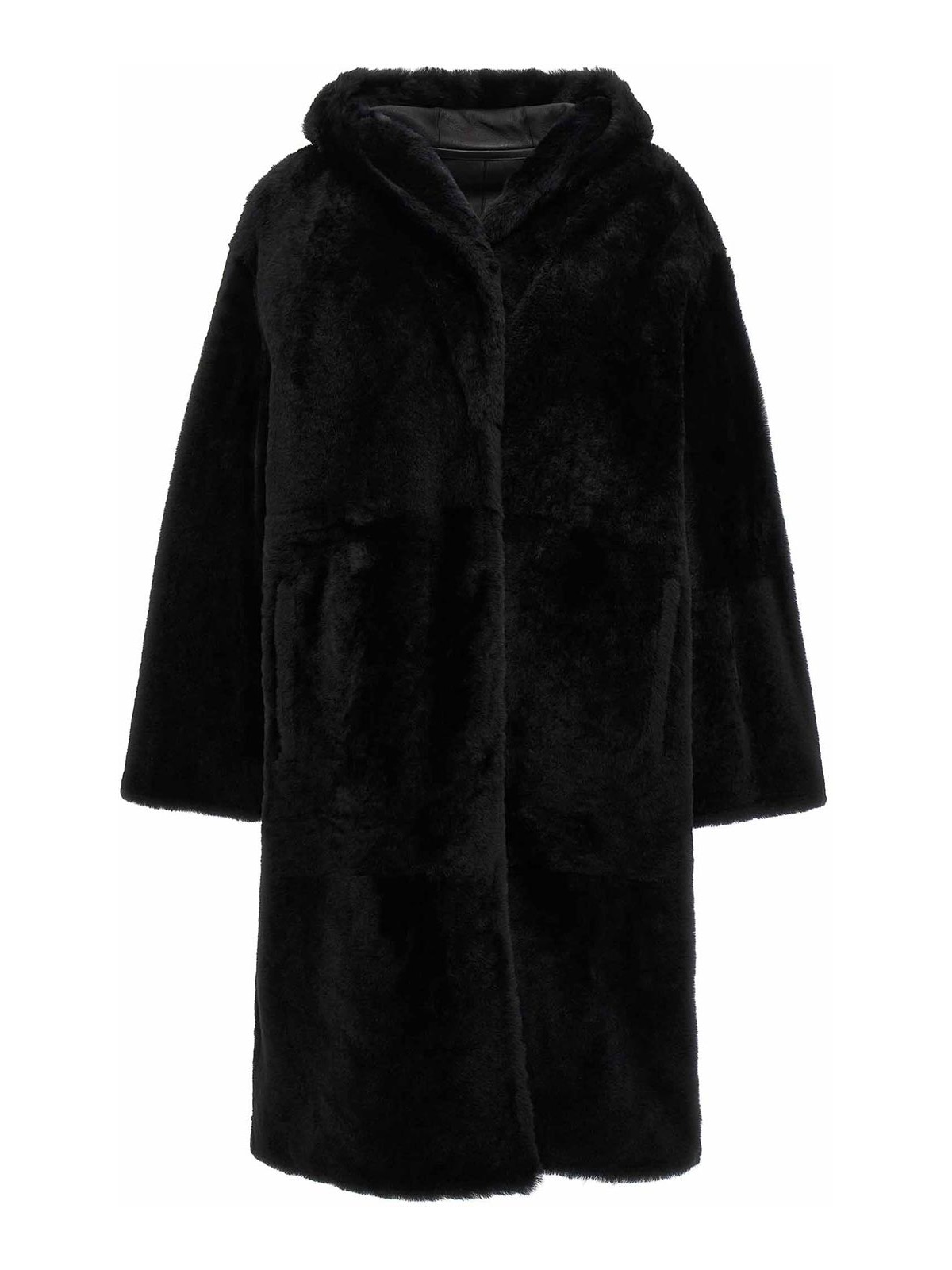
Finding a real Yves Salomon fur coat isn't just about buying a piece of clothing. Honestly, it’s more like inheriting a piece of French history that somehow survived the chaos of the 20th century. Most people think of fur as this stiff, heavy relic their grandmother wore to church, but the Salomon family basically spent the last hundred years trying to prove that's not true.
Gregory Salomon, a Russian dissident, started the whole thing back in 1910. He ended up in Paris by the 1920s, and by the time his son Boris took over in the 60s, they weren't just selling skins—they were experimenting. They were the ones who started dyeing fur in weird, pop-art colors when everyone else was stuck in "natural brown."
The Technical Wizardry Behind the Brand
The thing that sets an Yves Salomon fur coat apart from some random luxury brand is the "knit" factor.
Back in the day, if you wanted a fur coat, you were basically wearing a heavy leather rug. It was bulky. It was hot. Yves Salomon (the grandson) decided to treat fur like a textile. He figured out how to stretch it, knit it, and even weave it into silk. This is why when you pick up one of their pieces, it feels weirdly light.
It’s almost like a sweater.
They use a ton of different materials. We're talking mink, fox, badger, and even more "utilitarian" stuff like rabbit for their Army line.
- Mink: They prefer female mink because the fur is finer and more supple.
- Fox: This is where you get that "spectacular" volume you see on red carpets.
- Rex Rabbit: Mostly used for linings because it's soft but doesn't shed like crazy.
Why the "Army" Line Changed Everything
You've probably seen those parkas with the neon fur hoods on every second celebrity in Aspen. That’s the Army collection. Launched in 2005, it was a total pivot. Thomas Salomon, the fourth generation, saw vintage military parkas at a flea market and decided to line them with high-end fur.
It made fur "cool" again. It wasn't just for evening gowns anymore. You could wear a Yves Salomon fur coat with sneakers and jeans, and suddenly, you didn't look like you were trying too hard.
This line is basically the bread and butter of the brand now. It bridges that gap between "I want to be warm" and "I want to look like I own a tech startup."
Spotting a Real One (And Avoiding the Fakes)
If you're looking at a vintage piece or buying resale, you’ve gotta be careful. Real fur has a "glow" that synthetic stuff just can't mimic.
Basically, look at the ends of the hair. Real fur tapers to a fine point. Faux fur is often blunt or cut straight across because it's made of plastic fibers.
Then there's the "needle test." If you try to push a needle through the base of a real Yves Salomon fur coat, it’s going to be tough because you’re hitting actual skin. On a fake, it’ll slide through the fabric backing like butter.
Also, check the labels. Authentic pieces will specify the type of fur (Mink, Fox, etc.) and usually have high-quality silk or satin linings. If the lining feels scratchy or cheap, walk away.
The Ethics Elephant in the Room
Let's be real: fur is a hot-button issue. Yves Salomon knows this. They haven't gone "fur-free" like Gucci or Versace, but they have shifted their focus significantly.
In 2020, they committed to the "Resource Pact." This basically means they are focusing on upcycling. A huge part of their business now is taking your grandma’s old, dusty mink and re-cutting it into something modern.
They also launched the "Météo" line. It's 100% fur-free, using wool and lambskin instead. It’s an alternative for people who want the look but don't want the animal fur. Honestly, it’s a smart move to stay relevant in 2026.
Keeping Your Investment Alive
If you drop $5,000 on a coat, you better take care of it.
- Don't use plastic bags. Fur needs to breathe. Use a cotton cover.
- Avoid the perfume. The alcohol in your scent can dry out the skin (the leather part) and make it brittle.
- Summer storage is key. Real fur hates heat and humidity. Most boutiques offer "cold storage" for a reason. If you leave it in a hot closet all July, it’s going to shed like a golden retriever in spring.
- Rain is okay, but don't soak it. If you get caught in a drizzle, just shake it out and let it air dry. Never, ever use a hairdryer.
Is it Actually a Good Investment?
Pricing for a new Yves Salomon fur coat usually starts around $1,500 for a vest or small jacket and can easily climb to $13,000+ for a full-length mink parka.
On the resale market, they hold their value better than "mall brands" but don't expect it to appreciate like a Birkin bag. You can find pre-owned pieces on eBay or The RealReal for anywhere from $300 to $3,000 depending on the condition and the rarity of the fur.
The real value is in the longevity. These things are built to last decades if you don't treat them like a regular hoodie.
Actionable Next Steps
- Audit your climate: If you live somewhere where it doesn't drop below 40°F, look into the Army parkas with removable linings. They’re more versatile.
- Check the "Resource" service: If you already own an old fur that looks like a costume from a period drama, contact a Yves Salomon boutique about their upcycling program to modernize the silhouette.
- Verify the source: Only buy from authorized retailers like Neiman Marcus, Saks, or the official Yves Salomon site to ensure you aren't getting a high-end "super-fake."