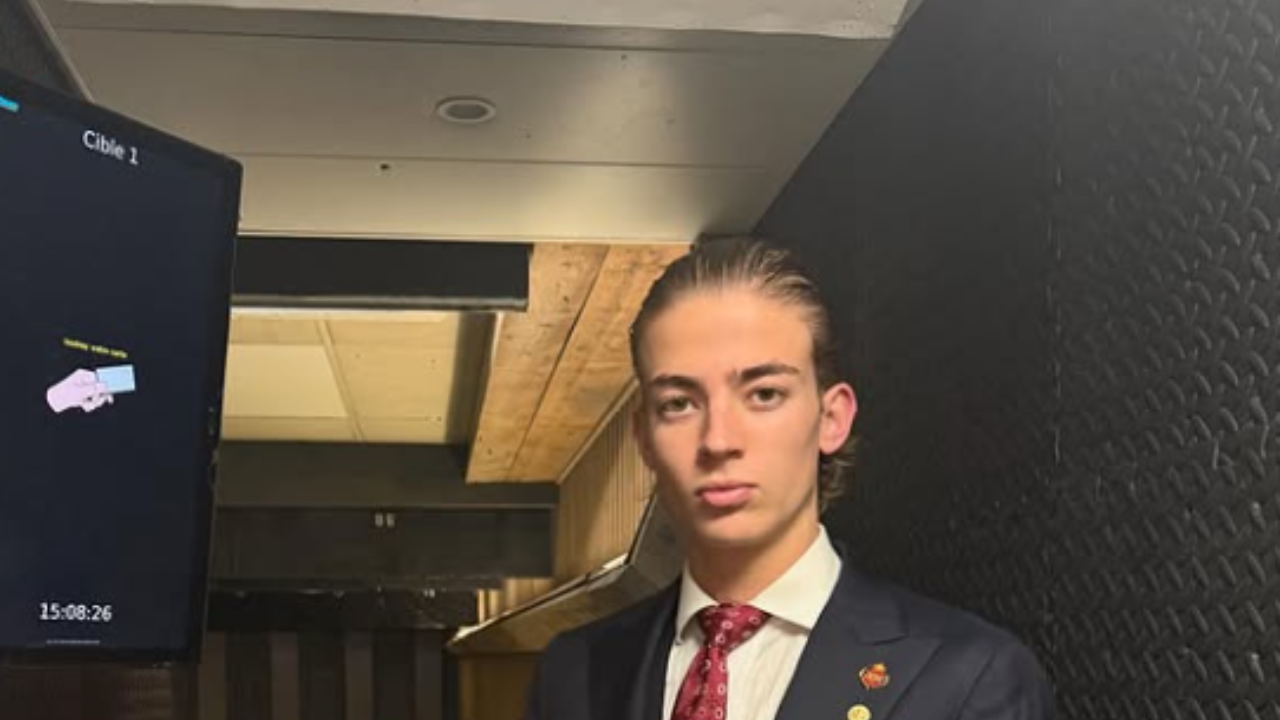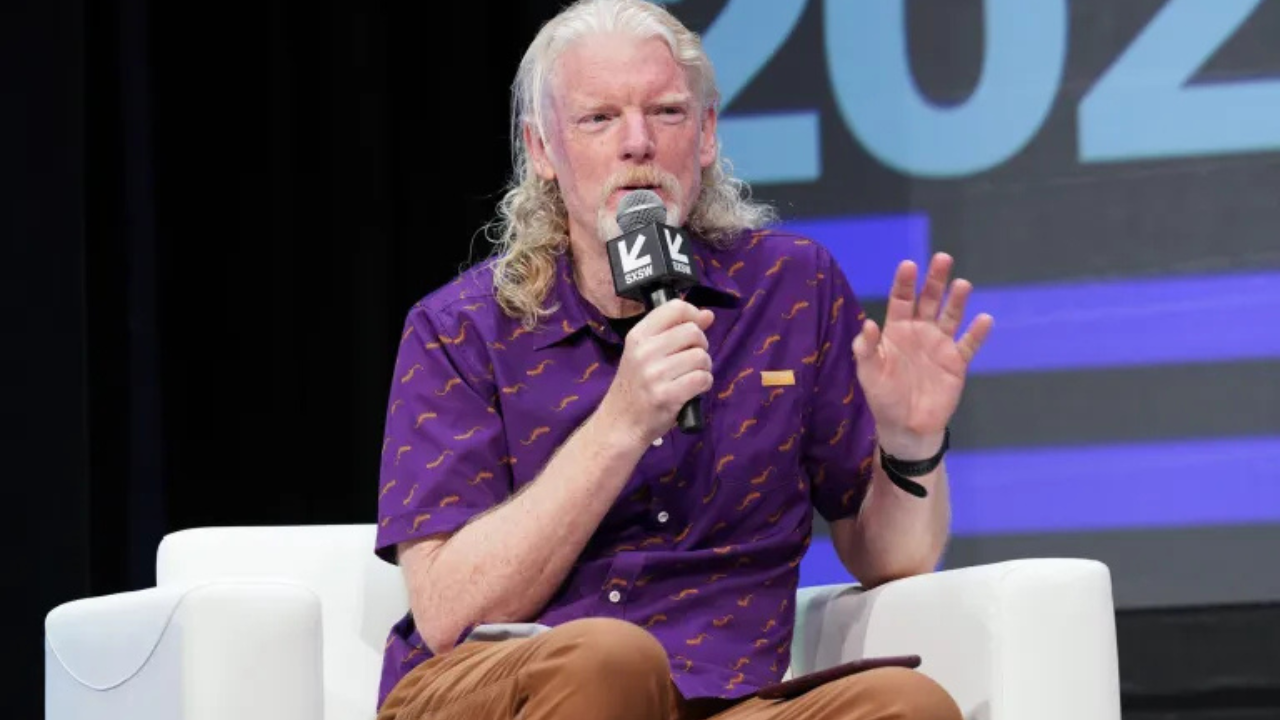
If you’ve picked up a controller or flipped on an anime dub in the last two decades, you’ve heard Yuri Lowenthal. Honestly, you’ve probably killed him, too. Hundreds of times. It’s a running joke in the industry that Lowenthal is the "most-killed man in video games" because of his uncanny ability to provide the perfect, gut-wrenching death rattle for generic soldiers, NPCs, and background goons.
But reducing him to a professional screamer is like saying Spider-Man is just a guy who likes spandex.
From the moody, vengeance-driven Sasuke Uchiha in Naruto to the wisecracking Peter Parker in Insomniac’s Spider-Man series, Lowenthal has built a career on emotional range. He doesn't just "do a voice." He inhabits characters with a grounded, human quality that makes even a teenage boy with a magical watch feel relatable.
The Accidental Voice of a Generation
Lowenthal didn’t grow up dreaming of a recording booth. He was born in Alliance, Ohio, in 1971, and spent a chunk of his childhood in Niger, Africa, thanks to his father’s work with USAID. That global perspective shaped him. He studied East Asian studies at The College of William & Mary and even spent years in Japan on the JET program.
He wanted to be on camera. He wanted the stage.
The pivot to voice-over happened almost by accident. After moving to Los Angeles with his wife, fellow voice actress Tara Platt, the two took a voice-over class taught by Rick Zieff. It was supposed to be a side hustle to support his "real" acting. Then came SD Gundam Force. Then Prince of Persia: The Sands of Time. Suddenly, the side hustle was a career.
Lowenthal often jokes that he "originated" the Prince, a role that defined the early 2000s action-adventure genre. It wasn't just about the lines; it was the charm and vulnerability he brought to a character that could have easily been a flat archetype.
Breaking Down the Yuri Lowenthal Voice Acting Style
What makes a Yuri Lowenthal performance? It’s the "crack."
Listen closely to his Peter Parker during the high-intensity scenes of Marvel’s Spider-Man 2. When Peter is struggling with the symbiote, his voice doesn’t just get deeper or "angrier." It frays. There’s a desperate, raspy quality that feels physically exhausting.
Key Roles That Defined His Path:
- Sasuke Uchiha (Naruto): The ultimate "broody rival." Lowenthal has voiced Sasuke for over 20 years, evolving the character from a traumatized kid to a repentant adult. He’s admitted in interviews that going to those dark places is fun because it’s so different from his actual upbeat personality.
- Ben Tennyson (Ben 10): Taking over as the teenage Ben, he had to balance arrogance with the weight of being a world-saver. This role cemented him as the go-to guy for "relatable hero."
- The Protagonist & Yosuke (Persona series): In Persona 3, he was the silent hero. In Persona 4, he switched to Yosuke Hanamura, the high-energy, slightly clumsy best friend. It’s a masterclass in shifting energy levels.
- Spider-Man (Marvel's Spider-Man): This is arguably his magnum opus. He brings a "dad-joke" energy to the quips while landing the emotional punches that made players actually cry during the ending of the first game.
The Physicality of the Booth
A lot of people think voice acting is just standing in a room and talking. It’s not. Especially not for Yuri.
In recent years, the industry has shifted toward full performance capture (mo-cap). For the Spider-Man games, Lowenthal isn't just behind a mic; he’s in a skin-tight suit with balls all over it, acting out every punch, swing, and hug. He’s credited the theatrical training from his college days with helping him survive these sessions.
"You need every tool in the toolbox," he’s said. You have to know how to disassemble a script like a stage play, even if you’re playing a "Default Helldiver Voice 2" in Helldivers 2.
Why He Still Matters in 2026
The industry is changing. AI is a looming shadow. Lowenthal hasn't stayed quiet about it, either. As a vocal participant in the SAG-AFTRA strikes, he’s been a leading voice for protecting actors from exploitative tech.
He’s an optimist, though. Sorta.
He and Tara Platt literally wrote the book on the craft—Voice-Over Voice Actor: What It's Like Behind the Mic. They’ve even launched online courses to teach the next generation. For Yuri, it’s about the "turn"—the moment a character changes. AI can’t find that turn yet. It can't feel the grief of a hero losing his aunt or the smugness of a ninja who thinks he’s better than you.
How to Follow the Lowenthal Blueprint
If you’re an aspiring actor or just a fan trying to understand why his work sticks, here are the actionable takeaways from Yuri’s career:
- Embrace the Background: Yuri didn't start as Spider-Man. He started as "Additional Voices." He treated every scream and background grunt with the same respect as a lead role.
- Broaden Your Skillset: Don’t just be a "voice." Be an actor. Take improv. Do theater. Learn how your body moves. That physicality translates into the audio.
- Stay Flexible: Don't specialize too early. Lowenthal does anime, AAA games, indie podcasts (like Old Gods of Appalachia), and live-action. Variety is the only real job security in entertainment.
- Find Your "Turn": Every line should move the character from point A to point B. If the voice sounds the same at the end of the sentence as it did at the beginning, you’ve lost the audience.
Yuri Lowenthal is more than a voice; he's a pillar of modern storytelling. Whether he's the Prince of Persia or just a random guy getting blown up in a shooter, he puts the same level of "human" into every take. That’s why we’re still listening.
To truly appreciate the nuance of his work, go back and play the original Prince of Persia and then jump straight into Marvel's Spider-Man 2. Notice the difference in breath control and how he uses silence. Then, check out his and Tara’s book or their "Relentless Productions" work to see how the business side of the mic actually functions.