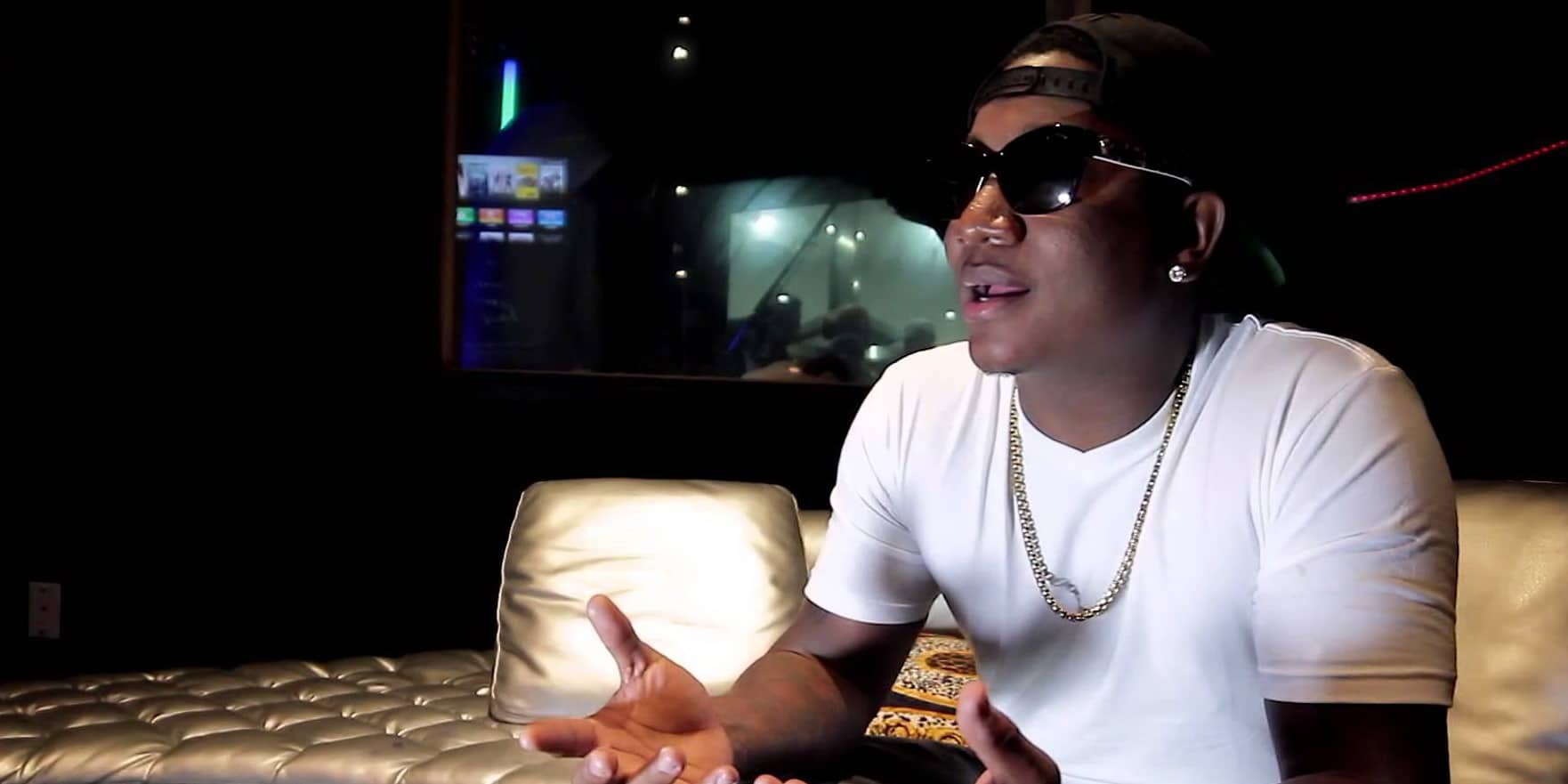
You’ve probably seen the memes. One minute, he’s on a Forbes list; the next, he’s spotted driving a rideshare in Atlanta, and the internet immediately starts writing his financial obituary. It’s wild how quickly people jump to "he’s broke" the second a celebrity does something "normal." But if you actually look at the moves Jasiel Robinson—better known as Yung Joc—has been making over the last decade, the story of Yung Joc net worth is way more about chess than checkers.
Most "wealth trackers" online slap a neat $8 million to $10 million figure on him and call it a day. Honestly, though? Net worth is rarely that static, especially for a guy who has transitioned from a snap-music kingpin to a staple of reality TV and a literal voice of Atlanta radio.
The $10 Million Mistake
Back in 2006, "It’s Goin’ Down" wasn't just a song; it was a cultural reset. The motorcycle dance was everywhere. Joc was the crown jewel of Bad Boy South. That momentum landed him on the Forbes Hip-Hop Cash Kings list with a reported $10 million in annual earnings.
You’d think that’s a win, right? Not for Joc. He’s gone on record with VladTV saying that the Forbes list was actually the worst thing that ever happened to him. Suddenly, everyone—from distant cousins to "friends" he hadn't seen in years—showed up with their hands out. He’s admitted to being too generous in those early years, trying to carry an entire entourage on his back. That’s a classic trap. You make $10 million, but if your overhead is $9 million and Uncle Sam wants his cut, you’re playing a dangerous game.
The real kicker? That $10 million figure was gross earnings, not what stayed in his bank account after the labels, managers, and lawyers took their bites. He’s been very vocal about the "bad deals" that plague the industry, explaining how he had to fight to get out of contracts that felt more like shackles than partnerships.
From "Rapper" to "Media Personality"
If Joc had stayed just a rapper, he might be a nostalgia act today. Instead, he pivoted. Hard.
Since 2014, he’s been a main fixture on Love & Hip Hop: Atlanta. While some people look down on reality TV, the checks are very real. Top-tier cast members on that franchise can pull in anywhere from $50,000 to $100,000 per season, and Joc has been there for over a decade. It’s consistent, predictable income that doesn't require a Top 40 hit to keep flowing.
Then there’s the radio gig. Being a lead personality on Streetz 94.5 in Atlanta is a power move. It keeps him relevant in the music industry without him needing to chase a "sound." It also provides a platform for his other businesses.
The Business of Being Seen
Let’s talk about that Uber/rideshare "scandal" from a few years ago. People saw a video of Yung Joc driving for a service called Pull Up N Go and immediately started the "he’s down bad" narrative.
Joc just laughed it off. He wasn’t driving because he needed the gas money; he was part-owner of the company and was doing a marketing stunt to show the value of hard work to the youth he mentors through Big Brothers Big Sisters. He’s also dabbled in:
- Salon 615: A high-end salon in Atlanta.
- Real Estate: He’s quietly invested in properties across Georgia.
- Recording Studios: Despite a massive $70,000 equipment robbery back in 2011, he stayed in the game of providing space for new artists.
What Yung Joc Net Worth Actually Looks Like in 2026
Estimating his current standing requires looking at his overhead versus his intake. He has eight children. That’s a lot of college funds, birthdays, and daily expenses. However, he’s also a veteran of the "hustlenomics" school of thought.
His income streams today are more diversified than they were in 2006:
- Royalties: "It's Goin' Down" still gets licensed for commercials and movies.
- TV Salary: Long-term tenure on VH1/MTV networks.
- Radio Contract: Stable, high-five-figure or six-figure annual salary.
- Endorsements: Local and national partnerships.
- Touring: He still hits the "legend" circuits and 2000s-themed tours, which pay surprisingly well for 30-minute sets.
While the "internet number" says $10 million, a more realistic look at his liquid assets and investments suggests he’s comfortably in that **$4 million to $8 million** range. He isn't "private jet every day" rich, but he’s "legacy wealth in Atlanta" rich.
The Lessons in the Loot
Joc’s financial journey is a blueprint for survival in an industry that usually chews people up. He didn't disappear when the hits stopped. He became a personality. He didn't get embarrassed when people called him "broke" for driving a car; he used the attention to talk about his business ventures.
The smartest thing he did? He stopped caring about looking rich for the cameras and started focusing on staying rich in real life. He’s mentioned that "going broke" in the public eye is often just a byproduct of "playing chess"—moving money into long-term plays that don't look flashy on Instagram but keep the lights on for decades.
How to Apply the "Joc Strategy" to Your Own Finances:
- Diversify early: Don't rely on one "hit" or one job. Joc has radio, TV, and hair salons.
- Ignore the "broke" talk: Public perception doesn't pay your mortgage. If a "low-status" move helps your business, do it anyway.
- Audit your circle: Joc’s biggest regret was the "Forbes effect" on his friends and family. Set boundaries with your money before everyone else sets them for you.
- Watch the contracts: He spent years fighting for his royalties. Understanding the fine print is worth more than the advance check.
If you're looking to track the wealth of 2000s era icons, keep an eye on their media ownership rather than their jewelry. That's where the real money is hiding.



