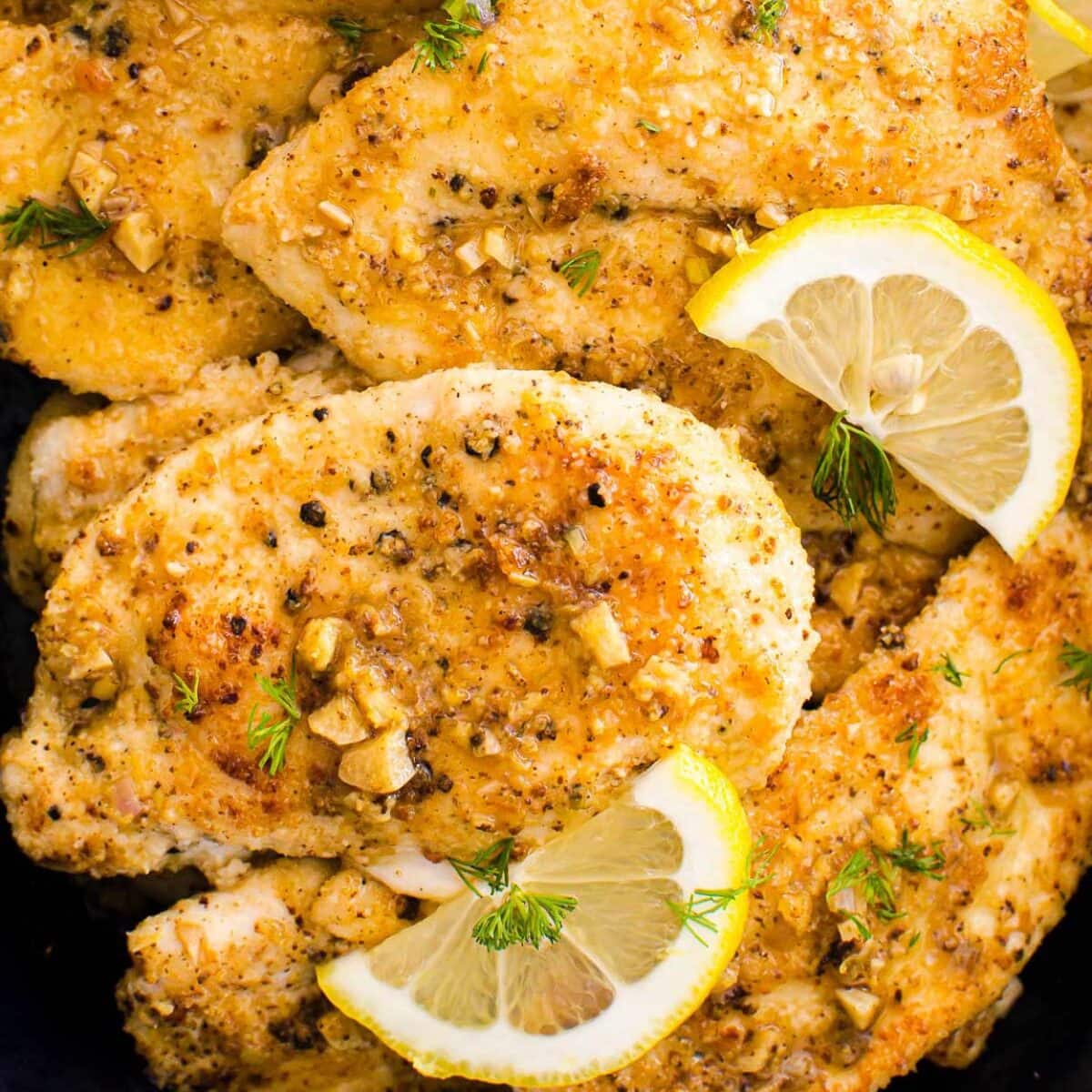
You're probably overcooking it. Honestly, that’s the biggest reason people think "healthy" food has to be a chore to eat. We’ve been conditioned to believe that unless a chicken breast is bone-dry and served with a side of unseasoned broccoli, it isn't actually good for us. That is a lie. Finding yummy healthy chicken recipes isn't about restriction; it's about understanding moisture, acid, and heat.
Chicken is the ultimate blank canvas. It’s lean, packed with protein—about 31 grams per 100 grams if you're looking at the breast—and it's cheap compared to a ribeye. But the margin for error is razor-thin. One minute too long in the pan and you’re chewing on a yoga mat. We need to fix that.
The Science of Not Ruining Your Bird
Most people fear the pink. Because of that fear, they cook chicken to 180°F just to be "safe." According to the USDA, chicken is safe at 165°F. However, if you hold the meat at 150°F for about three minutes, the pasteurization process achieves the same bacterial reduction as hitting 165°F instantly. Professionals often pull chicken at 155°F or 160°F and let "carry-over cooking" do the rest while the meat rests. Resting is non-negotiable. If you cut it immediately, the juices run onto the plate, and your mouth gets the leftovers.
Fat is not the enemy. If you’re only eating skinless breasts, you’re missing out on the flavor and satiety provided by thighs. A chicken thigh has slightly more fat, sure, but it’s significantly more forgiving. It stays juicy even if you get distracted by a text message for five minutes.
The Marinade Myth
People think marinating for 24 hours makes meat tender. It doesn't. Most marinades only penetrate a few millimeters into the surface. What a marinade actually does is create a chemical reaction on the exterior. If you use too much lime juice or vinegar and leave it overnight, the acid actually "cooks" the protein fibers, turning them mushy.
Instead, try a dry brine. Salt the chicken a few hours before cooking. The salt draws out moisture, dissolves into a concentrated brine, and then is reabsorbed into the meat. This seasons the bird all the way to the bone. It’s a game changer for yummy healthy chicken recipes.
Quick Weeknight Wins That Don't Suck
Let’s talk about the Air Fryer. It’s basically a high-powered convection oven, and it is the best thing to happen to chicken since fire. You can get that "fried" texture using a fraction of the oil.
Take a pound of chicken tenders. Toss them in a mix of smoked paprika, garlic powder, onion powder, and just a tablespoon of avocado oil. Avocado oil is key here because it has a high smoke point—around 520°F—so it won't burn and turn bitter like extra virgin olive oil might at high temps. Air fry at 400°F for about 10 to 12 minutes. That’s it. It’s crunchy, it’s salty, and it actually tastes like food.
If you’re a fan of Mediterranean flavors, go for a Sheet Pan Greek Chicken. Toss thighs with red onion, bell peppers, Kalamata olives, and a heavy dose of dried oregano. Add some lemon zest. Don’t add the juice until after it comes out of the oven. Cooking lemon juice can sometimes make it taste "tinny" or metallic. Fresh squeeze at the end provides that bright, acidic pop that cuts through the richness of the chicken fat.
The Power of the Poach
Poaching has a bad reputation. People associate it with hospital food. But if you poach chicken in a flavorful liquid—think chicken stock, ginger slices, smashed garlic, and a splash of soy sauce—the meat stays incredibly tender. This is the secret to those high-end chicken salads or shredded chicken tacos.
Don't boil it. Simmer it. Keep the water at a gentle shiver. If the water is boiling aggressively, the proteins contract violently and squeeze out all their moisture. Keep it low and slow.
Global Flavors: Moving Beyond Salt and Pepper
Standard American seasoning is boring. If you want yummy healthy chicken recipes that you’ll actually look forward to, look toward Southeast Asia or North Africa.
- Harissa: This North African chili paste is a shortcut to flavor. It’s spicy, smoky, and usually contains caraway and coriander. Rub it on drumsticks and roast them.
- Thai Green Curry: Use a high-quality curry paste (Mae Ploy or Aroy-D are industry standards) and a can of light coconut milk. Simmer sliced chicken breast with bamboo shoots and Thai basil. It’s a one-pot meal that feels like a $20 takeout order.
- Turmeric and Ginger: These aren't just for "wellness shots." They provide a deep, earthy base. A classic Persian-style chicken uses turmeric, saffron, and plenty of onions to create a braise that is naturally low in calories but incredibly complex.
Why Quality Matters (And Where to Save Money)
You’ve probably seen "Air-Chilled" on labels lately. Most mass-produced chicken is "water-chilled," meaning the carcasses are dunked in a giant vat of cold chlorinated water. The meat absorbs that water. You end up paying for water weight, and when you cook it, that water leaks out, steaming the meat instead of searing it. Air-chilled chicken is cooled by cold air, so the flavor is more concentrated and the skin gets much crispier. It’s worth the extra two bucks.
However, don't feel pressured to buy "Organic" if it’s breaking your budget. "Natural" and "Hormone-Free" are often marketing fluff—federal regulations already prohibit the use of hormones in poultry in the United States. Focus on "Antibiotic-Free" if that's a concern for you, but the cooking technique will always matter more for the flavor than the organic seal.
The Texture Problem
Chicken breast can be "woody." This is a real condition called "Woody Breast Syndrome," caused by birds growing too fast. The muscle fibers become hard and stringy. If you notice a chicken breast has white striping or feels unusually stiff when raw, skip it. No amount of cooking will fix that texture. This is another reason why chicken thighs are a safer bet for consistent quality.
Actionable Steps for Your Next Meal
Stop searching for "perfect" recipes and start mastering the variables. If you want to improve your chicken game immediately, do these three things:
- Buy a digital meat thermometer. It is the only way to guarantee juiciness. Pull breasts at 160°F and thighs at 175°F (thighs actually taste better at a higher temp because it breaks down the connective tissue).
- Use more acid. If a dish tastes "flat," it usually doesn't need more salt; it needs lime juice, lemon juice, or vinegar.
- Vary your cuts. Use the whole bird. Roast a whole chicken on a Sunday and use the carcass to make a bone broth. The gelatin in homemade broth is incredible for gut health and makes any future soup taste ten times better than the boxed stuff.
Healthy eating shouldn't feel like a punishment. By focusing on temperature control and aggressive seasoning with herbs and spices rather than heavy creams, you can turn a basic bird into something genuinely crave-worthy. Get your pan hot, let the meat rest, and stop overthinking the "diet" part of it. Good food is naturally healthy when you start with real ingredients.