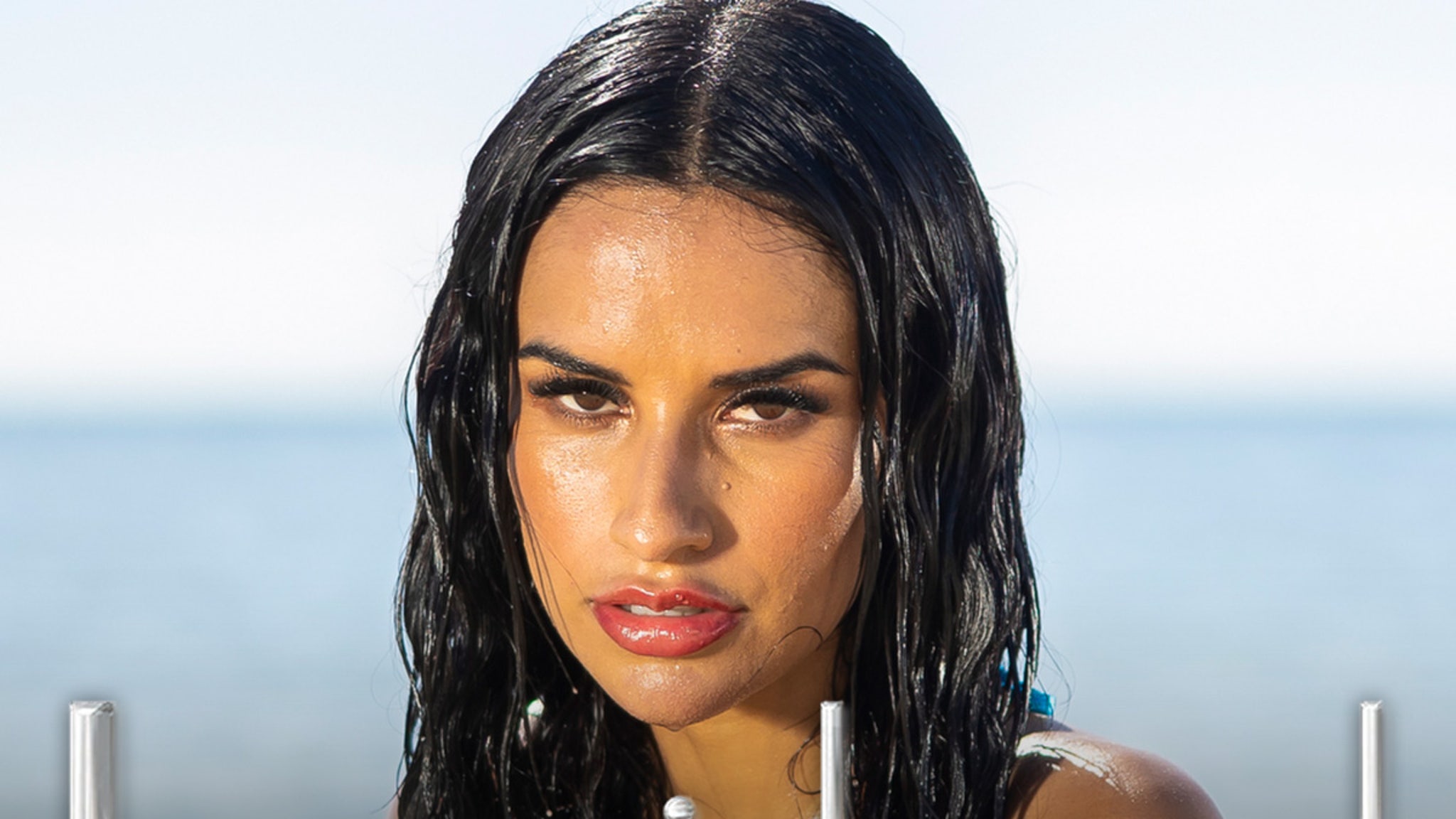
If you were watching the season 7 premiere of Love Island USA, you probably noticed something felt a bit... off. One minute, 27-year-old Miami business owner Yulissa Escobar is walking into the Fiji villa, looking for love and talking about her nine-year relationship that ended in heartbreak. The next? She's just gone.
No dramatic recoupling. No public vote. Just a dry, blink-and-you-miss-it voiceover from narrator Iain Stirling during the June 4, 2025, episode stating that Yulissa Love Island kicked off and has "left the villa."
Fans were left scratching their heads, but the internet moves faster than reality TV production. While Peacock kept the on-screen explanation vague, the digital world had already dug up the receipts. It wasn't a family emergency or a sudden change of heart that sent Yulissa packing. It was a series of resurfaced podcast clips that made her stay in the villa tenable for exactly forty-eight hours.
The Viral Clips That Ended Her Summer Early
Social media can be a cruel historian. Within hours of the premiere, TikTok and X (formerly Twitter) were flooded with recordings of Yulissa appearing on various podcasts. In these videos, she was seen casually using the N-word while chatting about relationship drama and her dating life.
TMZ picked up the story almost immediately.
The backlash was instant and massive. For a show that prides itself on a "summer of love" and a diverse cast, having a contestant use racial slurs so loosely was a PR nightmare. Production didn't wait around. According to Yulissa herself in later interviews, she was called to "the front" thinking she was headed to a routine confessional or a "beach hut" segment. Instead, she was met by producers who asked her to take off her mic.
She has since admitted she was "scared" and thought something had happened to her family. The reality was arguably more jarring: her past had caught up with her in real-time.
A Pattern in the Villa?
Interestingly, Yulissa wasn't the only one. This season of Love Island USA became a bit of a lightning rod for controversy. Not long after Yulissa was booted, another contestant, Cierra Ortega, also exited under a cloud of similar "resurfaced post" allegations.
It’s kinda wild when you think about the vetting process. You’d assume these shows have teams of people scrubbing every inch of a contestant's digital footprint before they ever set foot on a plane to Fiji. Clearly, some things still slip through the cracks. Or maybe the "internet sleuths" are just better at finding the deep-cut podcast appearances than the casting directors are.
Life After the Villa: The Apology and the "Why"
When she got back to the states, Yulissa didn't stay silent for long. She took to TikTok and Instagram to address the situation. Honestly, her response was a mix of "I didn't know better" and "I'm sorry for the impact."
She claimed she was speaking "casually" and didn't think critically about the weight of the words she was using. "I said a word that I should have not said," she told E! News. She also mentioned that she had changed a lot since those clips were recorded, emphasizing that she's a "baby" (her words, referencing her 4'10" stature) who has grown into a more conscious adult.
Some fans accepted the apology. Others? Not so much.
The conversation around her exit actually sparked a larger debate about "casual" racism within the Latino community, specifically among white Cubans from Miami, which is Yulissa’s background. It turned into more than just reality TV gossip; it became a talking point for cultural critics regarding the normalization of slurs in certain social circles.
What This Means for Future Contestants
If you're planning on applying for a reality show in 2026 or beyond, take Yulissa's story as a massive cautionary tale. The "villain edit" is one thing. Being edited out of the show entirely because of a three-year-old podcast clip is another level of career suicide.
Producers are clearly on high alert. The "zero tolerance" policy is no longer just a line in a contract; it's a fast-track ticket home.
- Scrub your socials: And not just your Instagram. Check those guest spots on your friend's 20-subscriber YouTube channel.
- Understand the stakes: Once you're on a platform like Peacock, you're not just a person; you're a brand liability.
- Own it early: If there is something "cancellable" in your past, being upfront with casting is usually better than letting Twitter find it on premiere night.
The Yulissa saga was a short-lived but intense chapter of Season 7. It serves as a reminder that the "Love Island" experience is about a lot more than just finding a "connection" by the pool—it’s about whether your public persona can survive the scrutiny of millions of viewers with a search bar.
If you’re following the rest of the season, the best way to stay updated on cast changes is to keep a close eye on the official Love Island USA social accounts, as they often post the "official" statements long before the episodes air. You might also want to follow independent reality TV reporters on platforms like X who often break these "villa removals" before the narrator even gets a chance to mention them.