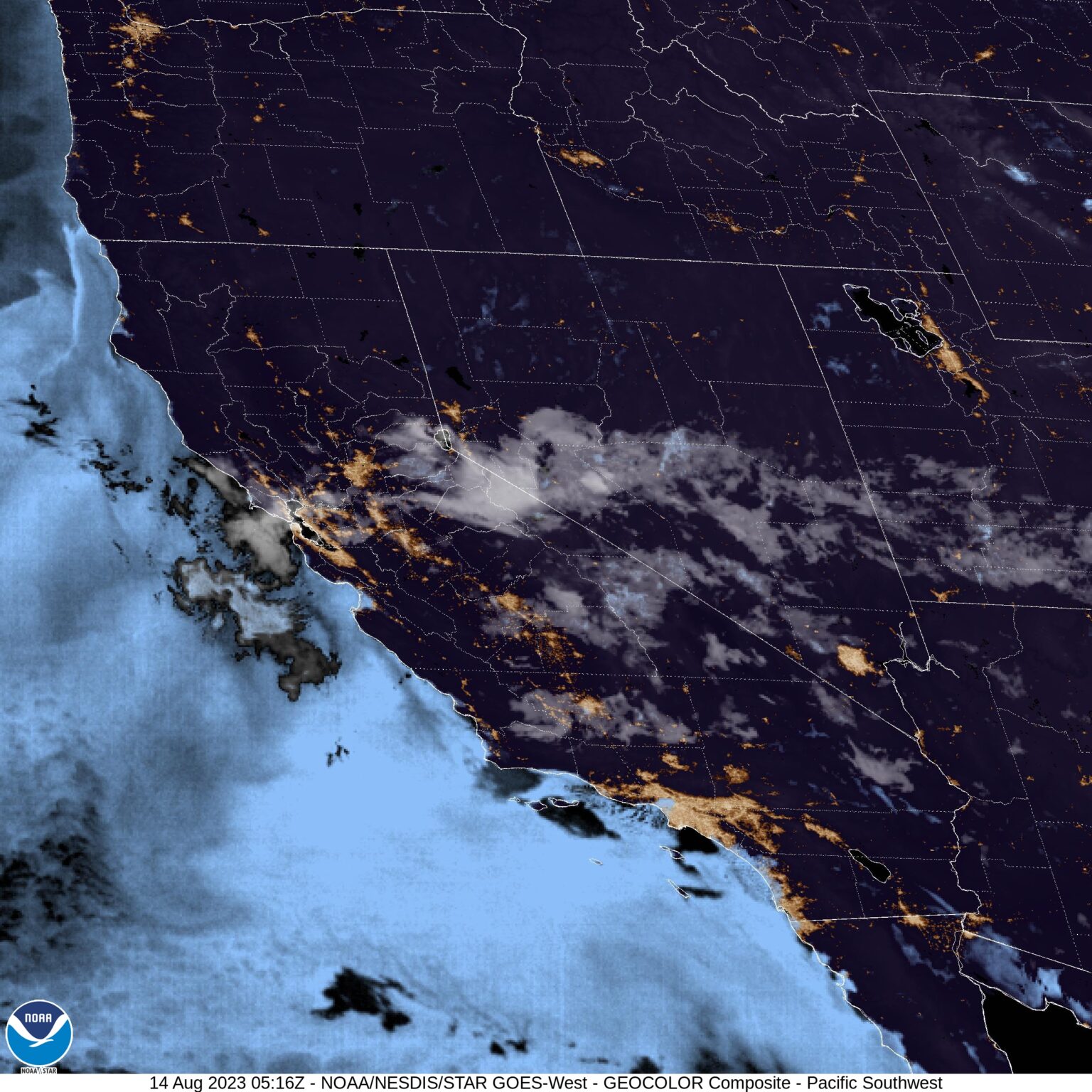
If you’ve ever spent a July afternoon in the Sacramento Valley, you know the vibe. The air doesn't just feel warm; it feels heavy, like a physical weight pressing down on the asphalt of Colusa Highway. Yuba City CA weather is, to put it mildly, a bit of a mood. It’s a place where you can go from shivering in a thick Tule fog at 7:00 AM to searching for any sliver of shade by lunchtime. Honestly, it’s the kind of climate that dictates how you live your life, from when you mow the lawn to how much you pay PG&E.
Most people think of California as a monolith of sunshine and palm trees. Yuba City laughs at that. Here, we deal with the "Mediterranean" label, which is just a fancy way of saying we get bone-dry, scorching summers and winters that feel like they’re trying to turn the whole town into a marsh. It’s a cycle. A predictable, sometimes brutal, but strangely beautiful cycle.
The Heat is Real (and Long)
Summer doesn't just visit Yuba City; it moves in and refuses to leave. Officially, the hot season kicks off around early June and drags its feet all the way through late September. We’re talking about an average daily high that sits comfortably above 88°F, but let's be real—July is the real test.
In July, the average high is 96°F. But averages are liars. You’ll regularly see the mercury climbing past 100°F, and it isn’t unusual to hit 105°F or higher during a particularly nasty heatwave. It’s a "dry heat," sure, but at a certain point, heat is just heat. The sun feels closer here. Maybe it's the flat landscape or the way the Sutter Buttes trap the air, but the intensity is unmistakable.
You’ve gotta adapt. People in Yuba City become morning people by necessity. If you have errands, you do them at 8:00 AM. If you want to exercise, you’re done before the sun hits the horizon. By 2:00 PM, the streets get quiet because everyone is hunkered down in the AC.
Survival Tactics for the 100-Degree Days
- Hydration is non-negotiable. Don't just drink water; you need electrolytes. If you're sweating for three hours straight, plain water isn't enough to keep your brain from feeling like mush.
- The "Pre-Cool" Method. A lot of locals swear by this: crank your AC down to 68°F at night when electricity is cheaper, then shut the windows and pull the heavy curtains by 9:00 AM. It keeps the house bearable until the late afternoon spike.
- Check the Delta Breeze. Every once in a while, we get a gift from the coast. The Delta Breeze pulls in cooler air from the San Francisco Bay, dropping temperatures by twenty degrees in a few hours. When you feel that wind pick up, you open every window in the house.
When the Rain Actually Shows Up
Then there’s the other side of the coin. Winter.
From November to February, Yuba City transforms. The scorched brown hills turn a vibrant, almost neon green. It’s gorgeous, but it’s damp. February is usually our wettest month, averaging about 5.5 inches of rain. That might not sound like much to someone from Seattle, but in a valley built on a floodplain, we pay attention to every drop.
The Fog Factor
We have to talk about the Tule fog. If you’re new to the area, it’s terrifying. It’s a thick, ground-hugging mist that settles over the valley floor. Sometimes you can’t see the hood of your own car. It’s caused by the combination of moist soil from the winter rains and clear, cold nights.
Driving on Highway 99 in January? Be careful. The fog isn’t just a "weather event"; it’s a safety hazard that causes massive pile-ups every few years. It’s also surprisingly cold. While the thermometer might say 45°F, the dampness makes it feel like it's biting right through your coat.
Why the Sutter Buttes Matter
You can't talk about Yuba City CA weather without mentioning the "World’s Smallest Mountain Range." The Sutter Buttes sit right in our backyard. They actually influence the local microclimate. They can act as a minor barrier for wind, and they definitely play a role in how fog settles in the crannies of the valley.
For hikers, the weather at the Buttes is a different beast. Because there’s zero shade on many of the trails, a 90°F day in the city feels like 110°F on the volcanic rock. If you're planning a trek, late March or April is the sweet spot. The wildflowers are out, and you won't melt.
Agriculture and the Sky
Yuba City exists because of the soil, and the soil depends on the weather. This is peach, plum, and walnut country.
The farmers here are basically amateur meteorologists. They worry about "chill hours" in the winter—fruit trees need a certain amount of time below 45°F to produce a good crop. If the winter is too warm (which is happening more often lately), the harvest suffers. On the flip side, a late frost in March can wipe out an entire season of almond blossoms in a single night.
- The Drought Cycle: We’re always one dry winter away from a crisis.
- Flood Risk: Being between the Feather and Yuba Rivers means we live behind levees. The weather isn't just about whether you need an umbrella; it's about the integrity of the river system.
Actionable Steps for Navigating the Local Climate
If you're living here or just passing through, don't let the weather catch you off guard. It’s predictable if you know the signs.
First, download a high-quality radar app like Windy or the NWS tracker. Standard phone apps often miss the nuances of valley microclimates. Second, if you’re a homeowner, invest in shade trees. Planting a deciduous tree on the west side of your home can shave significant dollars off your summer cooling bill. Third, keep an emergency kit in your car for the winter. If you get stuck in a Tule fog delay or a sudden road closure due to localized flooding, you’ll want blankets and water.
Lastly, embrace the shoulder seasons. October and May in Yuba City are arguably some of the best weather days in the entire country. The air is crisp, the sun is mellow, and you can actually breathe. That’s the reward for surviving the summer heat and the winter damp.
Check your HVAC filters every three months. The valley dust and agricultural pollen are brutal on your system, and you don't want your unit failing when the forecast hits triple digits next week.



