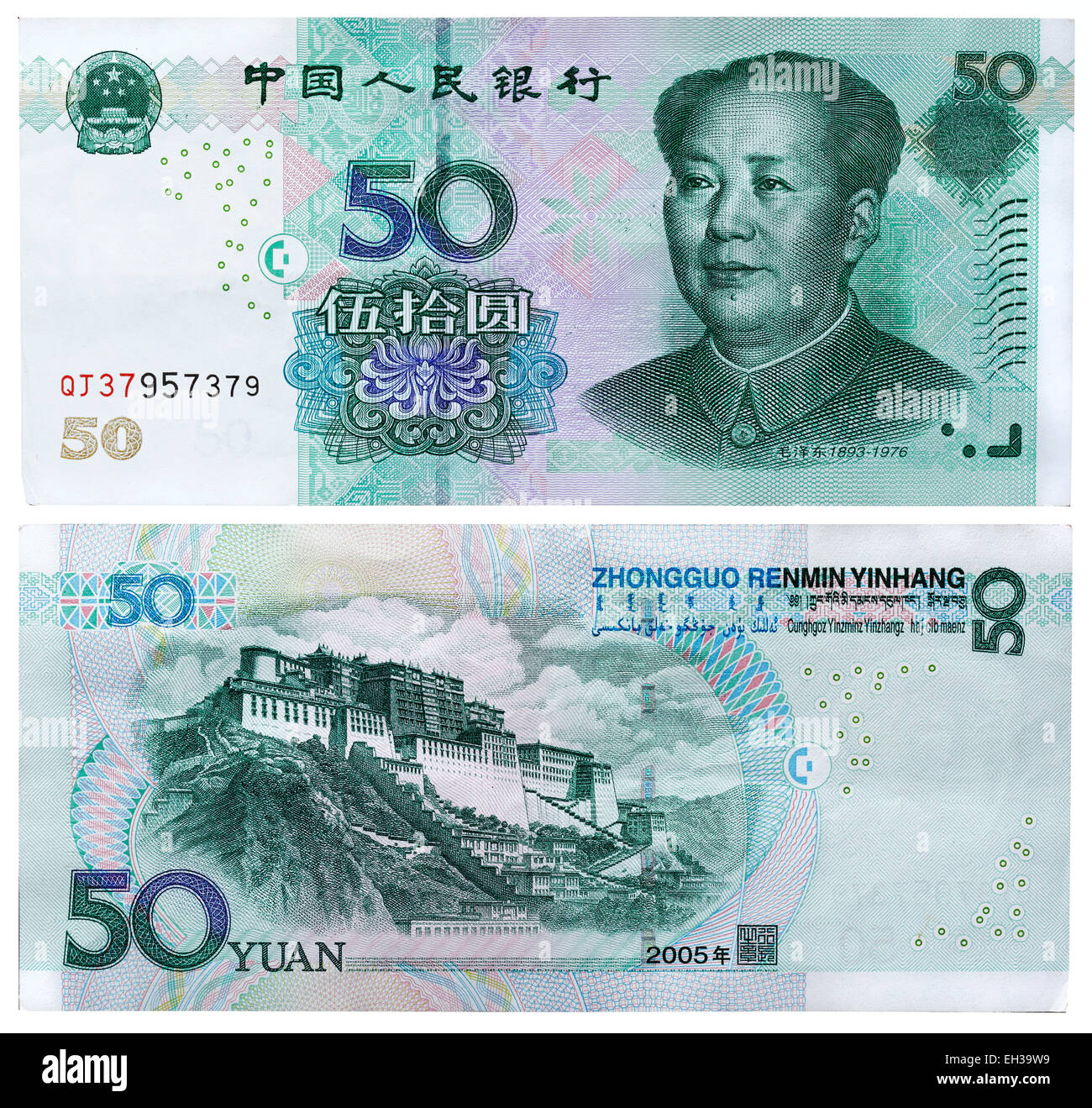
Everything feels more expensive lately. If you're sending money back to Manila from Beijing or just trying to budget for a vacation in Boracay, the yuan to philippine peso exchange rate is probably giving you a headache.
As of mid-January 2026, the rate is hovering around 8.53.
Honestly, that’s a pretty big jump from where we were a year ago. Back in early 2025, you could get a yuan for under 8 pesos. Now? Not so much. The Chinese Yuan (CNY) has been gaining serious ground against the Philippine Peso (PHP), and if you aren't paying attention to why, you're basically leaving money on the table.
Why the Yuan is Flexing its Muscles Right Now
Most folks think currency rates are just random numbers on a screen. They aren't. It’s a tug-of-war between two different economies.
China has been playing a very specific game. The People’s Bank of China (PBOC) just held its 2026 work conference and basically told the world they’re sticking with a "moderately loose" monetary policy. They want to keep things stable because they're trying to pivot their whole economy toward "new infrastructure"—think AI hubs and high-speed rail.
Even with a slower property market, China’s exports are still absolute beasts. They’re running a massive trade surplus, which naturally keeps the yuan strong. When more people need yuan to buy Chinese goods, the value goes up. It's simple supply and demand, really.
The View from Manila
On the other side of the ocean, the Bangko Sentral ng Pilipinas (BSP) is in a different spot.
Inflation in the Philippines has actually stayed surprisingly chill. It settled at 1.7% in 2025, which is the slowest it's been in about a decade. You'd think that's good news for the peso, right? Sorta.
Because inflation is low, the BSP has room to cut interest rates. They’ve already slashed rates five times in 2025, bringing them down to 4.5%. Analysts at HSBC are even betting on another 25-basis-point cut in the first quarter of 2026.
When a country cuts rates, its currency usually gets a bit weaker because investors look for better returns elsewhere. That’s a big reason why your yuan to philippine peso conversion feels less "bang for your buck" lately.
What Most People Miss About the Rate
It isn't just about big banks and interest rates. There's a "silent" factor: imports.
The Philippines actually benefits from a slightly weaker peso when it comes to buying stuff from China. HSBC’s Fan Cheuk Wan pointed out that cheaper imports from China helped keep Philippine inflation low. If the peso is weaker but Chinese goods stay cheap, it balances out your grocery bill in Quezon City, even if the exchange rate looks "bad" on paper.
Historical Context (The Last 5 Years)
To really get it, you have to look back.
- January 2021: 7.38 pesos per yuan.
- January 2024: 7.91 pesos per yuan.
- January 2026: 8.53 pesos per yuan.
The trend is pretty clear. The yuan has appreciated by over 15% against the peso in five years. If you’re an OFW (Overseas Filipino Worker) in China, you're technically getting a 15% "raise" just from the currency shift when you send money home. But if you’re a business owner in Manila buying raw materials from Guangzhou, your costs have spiked significantly.
How to Handle the Volatility
So, what do you actually do with this information?
First, stop waiting for the "perfect" rate. We’re in a period of "divergent fundamentals," as the folks at MUFG Research call it. Basically, different countries are moving in totally different directions. While China is stabilizing, the Philippines is still dealing with sluggish domestic growth and graft investigations that are keeping investors a bit nervous.
The peso recently hit a record low against the US dollar (around 59.44), and it’s feeling that same pressure against the yuan.
Actionable Strategy for 2026
- DCA your transfers: If you're an expat, don't send one giant lump sum. Move smaller amounts monthly to average out the rate.
- Watch the BSP meetings: The next big policy review is February 19, 2026. If they cut rates again, expect the peso to dip further.
- Check the fees, not just the rate: A "great" rate of 8.55 means nothing if the remittance app charges a 200-yuan service fee. Look at the net amount arriving in the Philippines.
The reality is that the yuan to philippine peso rate is likely to stay in this 8.40 to 8.60 range for the foreseeable future. China wants stability, and the Philippines needs lower rates to jumpstart its own economy. Until one of those things changes, the yuan is going to remain the "expensive" currency in this relationship.
Next Steps for Smart Exchanges
Keep an eye on the Chinese e-commerce giants. As firms like Temu and Alibaba continue to dominate, their direct-to-consumer model is actually helping offset the "bad" exchange rate by keeping the base price of goods low.
If you're planning a big purchase or a major money transfer, mark your calendar for late February after the first BSP meeting of the year. That's when we'll see if the peso has found its floor or if there's more room to slide.