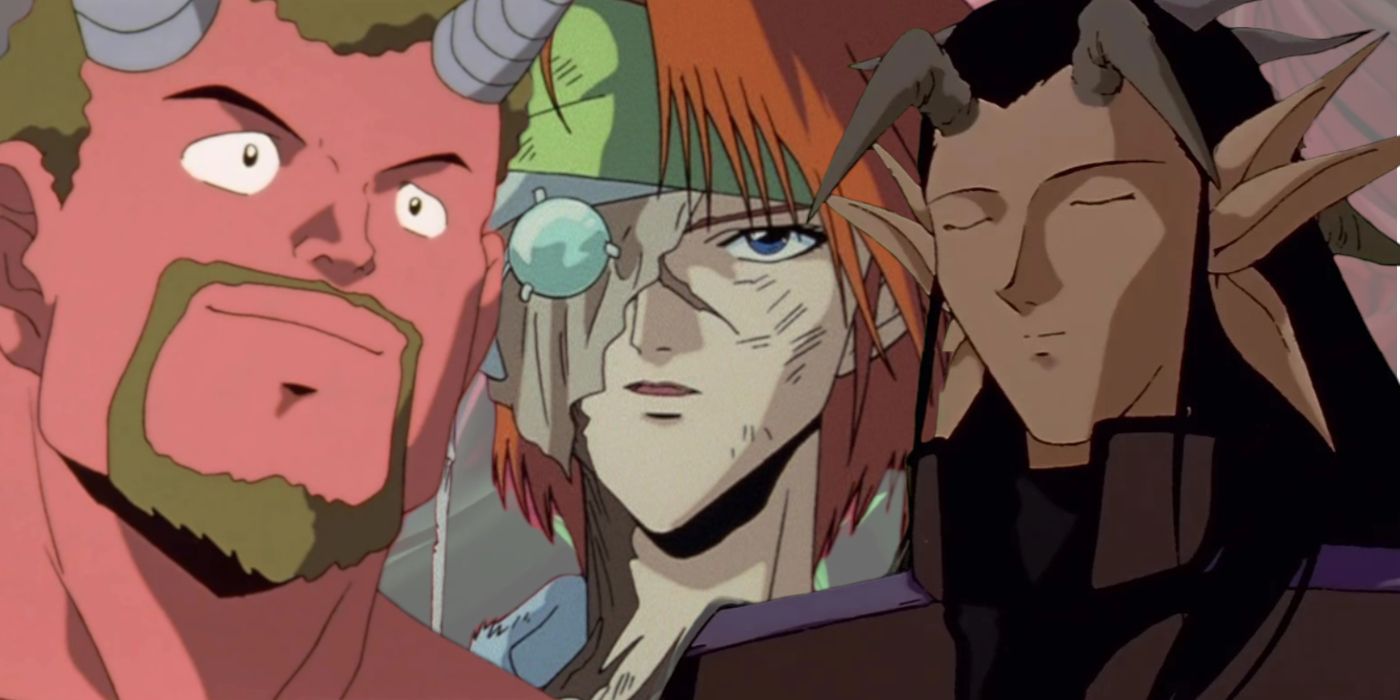
You know that feeling when a massive story just... stops? That's how a lot of people felt back in the day when the Yu Yu Hakusho Three Kings saga wrapped up. It was weird. One minute Yusuke is brawling with literal gods of the Demon World, and the next, he’s back at a ramen stand. Fans felt robbed. They wanted a Dragon Ball Z-style blowout that lasted fifty episodes. But looking back at it now, especially with how modern shonen keeps tripping over its own feet, Togashi’s decision to end it the way he did was actually kind of a masterstroke.
Honestly, the setup for the Three Kings arc is probably the highest stakes the series ever reached. We’re talking about a power vacuum left by the death of Sakyo and the defeat of Sensui, leading directly into a cold war between three massive entities: Raizen, Mukuro, and Yomi. It wasn’t just about who could punch the hardest anymore. It was about politics, lineage, and the crushing weight of being "the strongest."
The Messy Reality of the Yu Yu Hakusho Three Kings
When we talk about the Yu Yu Hakusho Three Kings, we have to talk about Yoshihiro Togashi’s mental state at the time. It’s no secret. He was burnt out. If you look at the original manga panels toward the end, the art starts to get scratchy, almost experimental. Some call it lazy; others call it raw. But that exhaustion seeped into the narrative in a way that actually worked for the characters.
Yusuke Urameshi was tired.
Think about it. He died, came back, fought a younger Toguro, died again (sort of), found out he was part demon, and then realized his "ancestral father" was a starving king who had been fasting for centuries because of a woman he met once. It’s absurd. It’s beautiful.
The Three Kings—Raizen, Mukuro, and Yomi—weren't just villains. That’s the big misconception. In the Dark Tournament, Toguro was the clear wall to climb. In Chapter Black, Sensui was a tragic antagonist. But in the Yu Yu Hakusho Three Kings era, the "enemies" were more like mentors or weary veterans. They represented different paths for our core four heroes. Hiei found a strange, twisted kinship with Mukuro, a woman whose trauma mirrored his own. Kurama was forced to confront his past as Yoko while dealing with Yomi’s obsession.
The Power Levels Got Ridiculous (And That Was The Point)
By the time the Demon World Tournament starts, the power scaling is through the roof. We went from Spirit Gun shots breaking rocks to S-Class demons who could literally destroy the human world just by existing there. It’s the classic shonen trap. Usually, this leads to "power creep" where nothing matters anymore.
Togashi dodged this by making the final conflict a tournament of choice, not a war of necessity.
- Raizen’s death changed everything. He was the "Battle God," but he died of hunger. It’s such a subversion of the warrior trope.
- Yusuke, being the impulsive kid he is, decides the best way to prevent a bloody war is to just hold a sports festival. It’s brilliant. It’s also incredibly frustrating if you were expecting a 20-chapter fight scene.
The fight between Yusuke and Yomi is the heart of this arc. It isn't even about winning. If you re-watch the anime or re-read the manga, you’ll notice the fight ends off-screen or in a blur of exhaustion. Yusuke loses. Let that sink in. The protagonist of a major battle shonen loses his final big fight. He wakes up days later, and the world has moved on without him. That is so rare in this genre. It’s real. Sometimes you give it your all and you still just... lose.
Why Mukuro and Yomi Still Top the Tier Lists
People still argue about who would win in a fight between a prime Raizen and Mukuro. It's the ultimate playground debate. But the depth of the Yu Yu Hakusho Three Kings characters goes way beyond their "demon power" numbers.
Mukuro’s backstory is haunting. Even for a 90s anime, it was dark. The way she used her own trauma to fuel her power—making her strength dependent on her emotional state—was a genius bit of character writing. It made her fights feel volatile. Then you have Yomi, who is the intellectual powerhouse. He’s blind, he’s calculating, and he’s trying to build a nation. He’s basically what Kurama could have become if he hadn't found his humanity in the human world.
The dynamic between these three created a tension that a simple "bad guy wants to rule the world" plot never could. You actually understood why someone would want to follow Yomi. You felt the loyalty Raizen’s old friends had for him. It made the Demon World feel like a living, breathing society rather than just a dungeon full of monsters.
The Anime vs. The Manga: A Massive Divide
If you only watched the anime, you got a much more "complete" version of the Yu Yu Hakusho Three Kings saga. The studio (Pierrot) fleshed out the tournament. They gave us the fights we craved. We actually got to see Hiei vs. Mukuro and more of the side characters getting their shine.
The manga, though? It’s abrupt.
Togashi literally skipped the end of the tournament. One chapter they’re fighting, the next, Yusuke is back in the human world. For years, fans called this a "rushed" ending. But in 2026, looking back through the lens of Togashi’s later work like Hunter x Hunter, you can see he was deconstructing the genre. He was saying, "The fights don't matter as much as the people." He wanted to get back to the slice-of-life elements that started the series. He wanted Yusuke to just be a guy again.
What Most People Get Wrong About the Ending
The biggest complaint is usually that there wasn't enough "closure" for the Three Kings themselves. What happened to the Demon World?
Actually, the closure is there, it’s just subtle. By the end of the Yu Yu Hakusho Three Kings arc, the barrier between the human and demon worlds is gone. The status quo is shattered. Enki, the guy who wins the tournament (a total dark horse who just wanted everyone to have a good time), implements rules that basically turn the Demon World into a peaceful neighbor rather than a looming threat.
It’s a subversion of the "chosen one" trope. Yusuke didn't become the King. He didn't save the world through a giant explosion. He saved the world by suggesting a democratic process. It’s kind of funny when you think about it. The most punk-rock protagonist in anime history saved the day with bureaucracy and a fair play agreement.
Actionable Insights for Fans and Writers
If you’re revisiting the Yu Yu Hakusho Three Kings arc today, or if you’re a creator looking to learn from it, there are a few key takeaways that still hold weight.
- Subvert the Power Fantasy: Don't feel pressured to have the protagonist win every fight. Yusuke’s loss to Yomi made him more human and gave him room to grow outside of being a "spirit detective."
- Backstory is Power: Mukuro’s strength being tied to her mental state is a top-tier trope. It creates stakes that aren't just about physical health.
- The "Anti-Climax" can be Art: Sometimes, ending a massive conflict with a quiet conversation is more memorable than a 50-page battle.
- Characters Over Plot: The reason we still talk about the Three Kings isn't because of the tournament brackets. It’s because we cared about Kurama’s identity crisis and Hiei’s search for a home.
To truly appreciate this final stretch of the story, you need to watch the "Poltergeist Report" or the later OVA "Two Shots" to see how these characters evolved. The Yu Yu Hakusho Three Kings saga wasn't a mistake or a rushed failure. It was an exhausted, brilliant creator finding a way to let his characters go home.
If you want to dive deeper, go back and compare the Yomi fight in the anime to the manga’s version. The differences in tone tell you everything you need to know about the struggle between commercial expectations and artistic burnout. It’s a fascinating study in how legendary stories actually end—not with a bang, but with a very satisfied, very tired sigh.
Check out the official manga volumes 17 through 19 for the rawest version of this story, or stick to the Blu-ray sets if you want the high-octane tournament action that the animators added to fill the gaps. Either way, it remains one of the most unique finales in the history of the medium.



