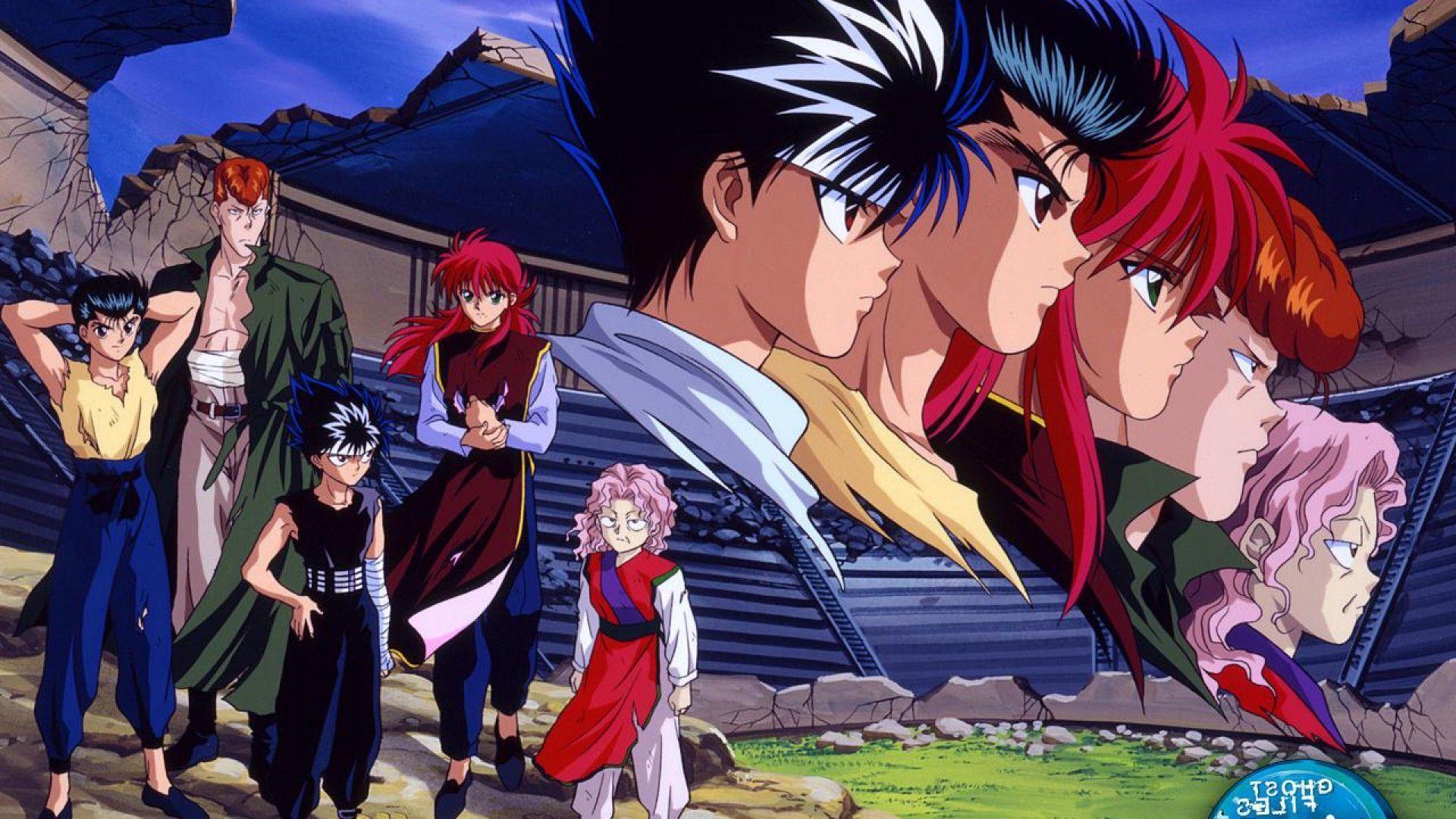
Most fans think they’ve finished the journey once Yusuke Urameshi walks away from the Spirit World. They’re wrong. Honestly, if you haven't sat through the Yu Yu Hakusho OVA releases, you’ve basically left a massive hole in your understanding of Yoshihiro Togashi’s universe. It’s not just about extra fights or filler. It’s about the soul of the series.
Think back to the mid-90s. The anime was a juggernaut. Then, it just... stopped. But the story didn't actually end there. Between the original 1994 specials and the surprisingly high-quality 2018 anniversary release, these OVAs (Original Video Animations) act as the connective tissue that the TV broadcast often skipped or rushed. You get the messy, weird, and deeply emotional bits that didn't fit into a weekly morning slot.
The 2018 Revival: Two Shots and All or Nothing
Let’s talk about the big one first. In 2018, for the 25th anniversary, Studio Pierrot decided to come back. This wasn't some cheap cash-in. They adapted two specific stories from the manga that fans had been begging for since the Clinton administration.
The first part, Two Shots, is a prequel. It shows how Hiei and Kurama met. Before they were Yusuke's reluctant allies, they were basically supernatural outlaws with zero trust for each other. Seeing a younger, slightly more impulsive Kurama—complete with his 80s-inspired human school uniform—is a trip. It grounds their friendship. It makes their chemistry in the Dark Tournament feel earned rather than just "because the plot said so."
Then you have All or Nothing. This is the real kicker. It covers the penultimate chapter of the manga. If you felt the original anime ending was a bit too "happily ever after," this is the antidote. It deals with a hostage crisis in the Spirit World. It’s gritty. It’s tense. And it features the core four—Yusuke, Kuwabara, Hiei, and Kurama—fighting together one last time. The animation is crisp, modern, but stays loyal to the 90s aesthetic. It’s a rare win for nostalgia.
Eikyuu Hakusho and the 90s Specials
Before the 2018 hype, we had the older specials. Most people ignore these. Don’t.
The 1994-1996 releases, often bundled under names like Eikyuu Hakusho, are a mix of retrospective looks and actual new content. One of the standout segments involves the "Picture Drama" style storytelling. It sounds boring—basically still frames with voice acting—but for a die-hard fan, the dialogue is gold. You get insights into what the characters were doing during the "Three Kings" arc that the show simply glossed over.
There's a specific charm to the voice cast returning to these roles years later. Hearing Justin Cook or Nozomu Sasaki slide back into Yusuke’s cocky, defensive tone feels like coming home. The Yu Yu Hakusho OVA episodes from this era might look dated, but they capture the specific "grunge" energy of Togashi’s writing that modern shonen often lacks.
Why the Spirit World Crisis Matters
In the Yu Yu Hakusho OVA "All or Nothing," we see a side of Koenma that the TV show rarely explored. Usually, he's the comic relief in a diaper. Here, he’s a leader facing a legitimate coup d'état from within the Spirit World. It raises questions about the morality of the Spirit World itself.
Is Enma Jr. actually a good ruler? Or is he just the least-worst option?
The OVA doesn't give you an easy answer. It shows the terrorists—rebels, really—as being pushed to the brink by the Spirit World’s rigid, often cruel laws regarding demons and humans. This complexity is why the series stays relevant. It isn't just "hit the bad guy harder." It's "the system is broken and we're just trying to survive it."
Misconceptions About the Movies vs. OVAs
People get confused. They think Poltergeist Report is an OVA. It’s not. It’s a theatrical movie (and a weird one with a totally different dub cast in the US).
The OVAs are shorter, more focused, and strictly canon-adjacent or directly pulled from manga chapters. The 2018 release is 100% manga-canon. If you only watch the 112 episodes of the anime, you are missing the actual ending of the story. The anime's finale was a bit of a rush job because Togashi was burnt out and the studio was moving on. These extra episodes fix that. They give the characters a chance to breathe.
The Visual Evolution
Comparing the 1994 animation to the 2018 stuff is wild. In the 90s, you had that thick linework and hand-painted cells. There’s a weight to it. When Yusuke throws a punch, you feel the impact through the screen.
The 2018 Yu Yu Hakusho OVA uses digital ink and paint but tries to mimic that weight. It succeeds about 90% of the time. The colors are more vibrant, sure, but they kept the character designs slightly "ugly" in the best way possible. They didn't "moe-ify" the cast. Hiei still looks like a jagged little nightmare. Kurama still has that terrifying coldness behind his eyes.
How to Actually Watch Them
Finding these isn't always straightforward. The 2018 specials were included in the Japanese Blu-ray box sets. For Western fans, Funimation (now Crunchyroll) eventually brought them over. If you’re hunting for the older 90s specials, you’re looking for the Yu Yu Hakusho: Eikyuu Hakusho DVD or certain "Special Report" collections. They are out there, but you might have to dig through secondary markets or specific streaming archives.
It's worth the effort. Watching the 2018 OVA immediately after the series finale provides a much smoother emotional transition than just stopping at episode 112. It feels like a proper goodbye.
Actionable Next Steps for Fans
If you're looking to dive back into the Spirit Detective world, don't just rewatch the Dark Tournament for the tenth time. Start with the 2018 Two Shots / All or Nothing release. It’s the highest quality content produced for the franchise in twenty years.
Once you’ve done that, go back and read Volume 19 of the manga. You’ll notice the OVA stays incredibly faithful to the source material, even keeping the specific, slightly darker tone of Togashi’s late-series art style.
Finally, if you can find the Nightmare Hakusho or the other minor specials, watch them for the character interactions. The series was always more about the chemistry between the four leads than the Spirit Gun itself. These OVAs lean into that. They remind you why you liked these idiots in the first place.
Stop treating the OVAs like optional DLC. They are the final chapters of the story. Go watch them.
Practical Viewing Checklist:
- Two Shots (2018): Essential for Kurama and Hiei backstory.
- All or Nothing (2018): The "true" ending to the Spirit World political arc.
- Eikyuu Hakusho (90s): Great for nostalgic voice acting and minor character beats.
- Avoid: Confusing these with the Poltergeist Report movie if you want canon-accurate storytelling.
Everything you need to complete the saga is right there. You just have to look beyond the main series.



