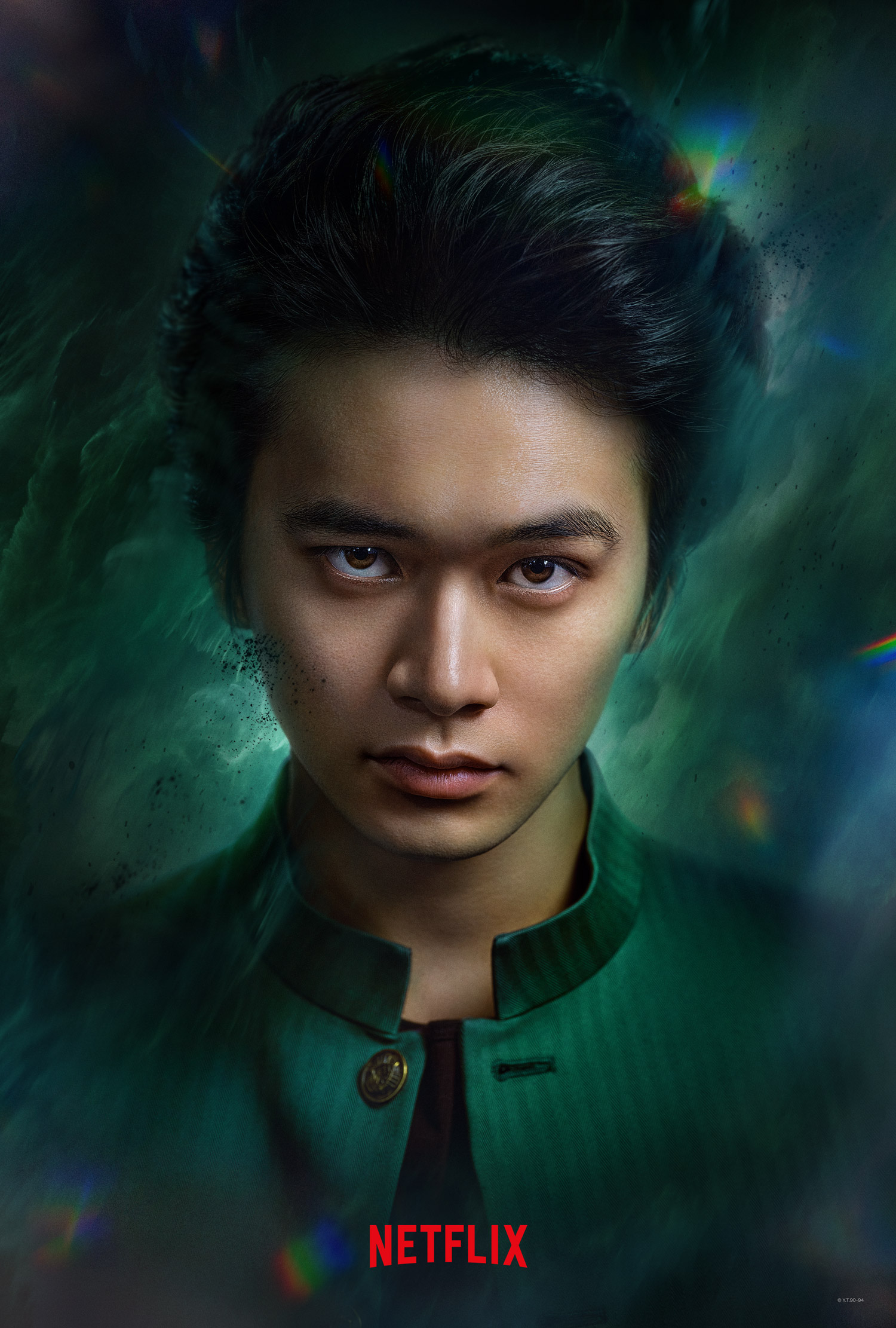
Yusuke Urameshi is a punk. He’s a street-fighting teenager with a bad attitude, a green jumpsuit, and a heart that he hides under layers of sarcasm and stubbornness. When Yoshihiro Togashi first penned the manga in the early 90s, nobody expected a supernatural battle shonen to become a cultural pillar of the anime world. Decades later, the Yu Yu Hakusho Netflix adaptation landed on our screens, and the collective anxiety from the fandom was loud. We’ve been burned before. We remember the dragon-shaped scars left by previous attempts to turn beloved anime into live-action cinema. But here’s the thing: Netflix actually pulled it off by leaning into the grit instead of just the glitter.
It’s fast. Maybe too fast for some.
The series condenses a massive amount of lore into a tight, five-episode sprint. You get the death, the Spirit Detective appointment, and the Dark Tournament-adjacent stakes all crammed into a runtime that feels like a fever dream. It’s a bold choice. By ditching the "monster of the week" fluff that padded out the original 112-episode anime, the showrunners focused on the core emotional beats between Yusuke, Kuwabara, Kurama, and Hiei. It’s not a perfect recreation, and it shouldn't be. Live action requires a different kind of gravity.
The Brutal Reality of Spirit World Combat
When you watch the Yu Yu Hakusho Netflix series, the first thing that hits you isn't the Spirit Gun. It’s the physics. In the anime, Yusuke taking a punch to the face is a stylized moment with a few speed lines and a grunt. In the live-action version, Takumi Kitamura (who plays Yusuke) takes hits that look like they’d actually break a jaw. The stunt coordination is top-tier, handled by the same minds that made the Rurouni Kenshin films legendary. They chose to emphasize the "street" in street fighter.
Most fans were worried about the Spirit Gun. How do you make a blue energy blast look real?
The VFX team opted for a visual style that feels like compressed air and raw electricity. It’s grounded. When Yusuke finally fires that first shot, it doesn't just look like a laser; it looks like an explosion originating from his fingertip. This attention to detail extends to the demons too. Instead of CGI monsters that look like they escaped a 2005 video game, the show uses a mix of practical prosthetics and high-end digital work. The result is unsettling. The demons feel like they belong in a horror movie, which, if you revisit the early chapters of the manga, is exactly the vibe Togashi was going for before the series shifted into a pure martial arts tournament.
Casting the Uncastable
Let’s talk about Kuwabara. Shuhei Uesugi had the hardest job in the entire production. In the anime, Kazuma Kuwabara is a caricature—a tall guy with a pompadour and a voice like a gravel pit. If you play that straight in live action, it looks like a Halloween costume. Uesugi plays him as a genuine tough guy who just happens to have a massive soul. He’s the heart of the group. His loyalty to Yusuke feels earned, and his "Spirit Sword" looks remarkably cool for a glowing yellow toothpick.
Then there’s Hiei and Kurama.
Kanata Hongo (Hiei) and Jun Shison (Kurama) had to embody characters that are essentially the "pretty boys" of the 90s anime world. Kurama’s Rose Whip is iconic, but in real life, swinging a thorny vine around can look goofy. The show solves this by making the plant life feel sentient and aggressive. Hiei’s speed is handled with a "blink and you miss it" cinematography style that avoids the blurry mess of lesser action shows. They feel like veterans of a world humans aren't supposed to see.
How the Story Changes Everything
The Yu Yu Hakusho Netflix series takes massive liberties with the timeline. Honestly, if you’re a purist, this might sting. The show skips the Saint Beasts. It moves the Toguro brothers' confrontation to the forefront much earlier than the manga did. By combining the rescue of Yukina with the climax of what would have been the Dark Tournament arc, the stakes are elevated immediately.
Why do this? Because a modern audience watching a streaming service doesn't always have the patience for 40 episodes of training montages.
The writers, including Tatsuro Mishima, understood that the emotional core of the series is the relationship between Yusuke and Keiko. While Keiko (played by Sei Shiraishi) is often relegated to the "damsel" role in shonen tropes, the Netflix version gives her a bit more agency in the chaos. She’s the anchor. Without her, Yusuke is just a kid who likes to punch things. With her, he’s a protector. This thematic thread is what keeps the show from devolving into a mindless CGI fest.
Addressing the Toguro Elephant in the Room
Younger Toguro is the ultimate antagonist. He represents the "endgame" of what happens when a human gives up their soul for power. Portraying him required a mix of massive physical presence and terrifying stillness. The show uses digital enhancement to give him those impossible muscles, and while it occasionally hits the "uncanny valley," the performance carries it. He’s not a villain because he’s evil; he’s a villain because he’s a mirror. He shows Yusuke what happens when you have no one left to fight for.
The fight between Yusuke and Toguro is the highlight of the series. It’s messy. It’s loud. It feels like two gods clashing in an abandoned warehouse. Unlike the anime, which could stretch a single fight over three weeks of television, the Yu Yu Hakusho Netflix version delivers the punchline in minutes. It’s an adrenaline shot.
The Cultural Impact of the Revival
Netflix has a spotty record with anime. Death Note was a disaster. Cowboy Bebop was divisive at best. But One Piece changed the trajectory, and Yu Yu Hakusho followed suit by respecting the source material’s spirit while being brave enough to trim the fat. This show proved that Japanese-led live-action productions can compete on a global scale without being "Westernized" into oblivion.
It’s a love letter to the 90s. You can see it in the fashion, the lighting, and the way the city of Sarayashiki is portrayed. It feels lived-in. It feels like the world we knew, just with a few more spirits lurking in the shadows.
The series also highlights the timelessness of Togashi’s themes. Grief, redemption, and the burden of power aren't just anime tropes; they’re human experiences. Seeing Yusuke grapple with his own death and the weight of the Spirit Detective badge in a high-definition, realistic setting makes those struggles feel more immediate. You aren't just watching a cartoon character; you're watching a kid who got dealt a bad hand and decided to play it anyway.
What Most People Get Wrong About the Adaptation
A common criticism of the Yu Yu Hakusho Netflix series is the pacing. "It’s too short!" people cry on Reddit. But consider the alternative: a dragged-out ten-episode season that runs out of budget by episode six. By keeping it lean, the production value stays high. Every dollar is on the screen.
Another misconception is that it’s just for new fans. Wrong. The show is littered with Easter eggs for the hardcore Spirit Detectives. From the way Hiei holds his sword to the specific sound effects used for certain techniques, the creators were clearly fans of the original work. They didn't just adapt a script; they adapted a feeling.
The show isn't trying to replace the anime. It’s a companion piece. It’s a way to see these characters in a new light, literally. If you want the slow-burn character development and the long-form tournament brackets, the 1992 anime is still there, and it’s still a masterpiece. If you want a gritty, high-stakes supernatural thriller that happens to feature a kid firing spirit energy from his index finger, this is your show.
Your Spirit Detective Action Plan
If you’ve finished the series and you’re craving more, don't just sit there. The world of Togashi is deep and weirdly rewarding.
- Watch the 1992 Anime: Specifically the Dark Tournament arc. It is widely considered one of the greatest story arcs in shonen history. The Netflix show gives you the "CliffNotes" version; the anime gives you the full epic.
- Read the Manga: The art style evolves significantly. Togashi’s later work in the series becomes experimental and hauntingly beautiful.
- Explore Hunter x Hunter: Also by Yoshihiro Togashi. If you liked the complex power systems and the "shonen with a brain" vibe of Yu Yu Hakusho, this is the logical next step.
- Check out the "Poltergeist Report" Movie: It’s an older piece of Yu Yu Hakusho media that captures that same supernatural-action-horror blend the Netflix series aimed for.
The Yu Yu Hakusho Netflix adaptation is a rare win in the world of live-action anime. It’s fast, it’s violent, and it’s surprisingly emotional. Whether you’re a 90s kid looking for a hit of nostalgia or a newcomer wondering what the hype is about, it’s a journey worth taking. Just remember: if you see a guy in a trench coat with 100% of his muscles showing, run.



