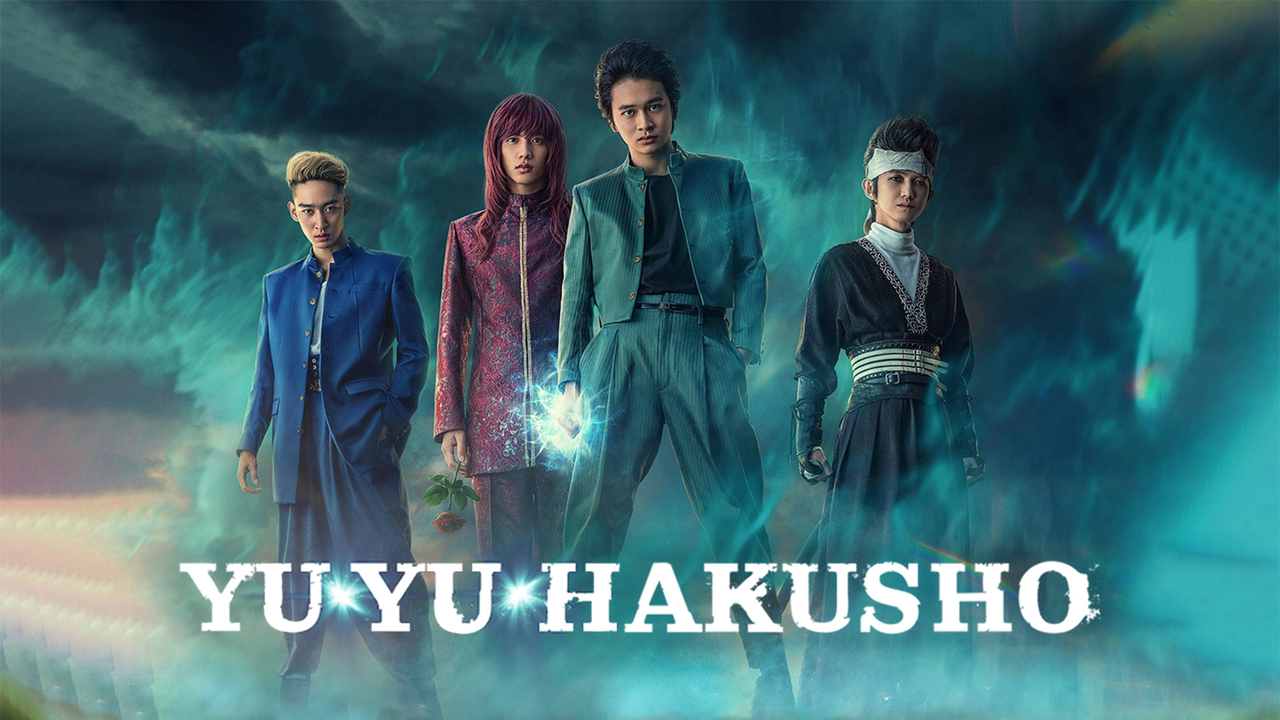
Let's be real for a second. Remaking a beloved 90s anime is usually a recipe for a total disaster. We’ve all seen the train wrecks—the ones that try to cram eighty episodes of character development into a two-hour movie and end up looking like a high-end Halloween party gone wrong. So, when Yu Yu Hakusho 2023 dropped on Netflix, the collective anxiety from the fandom was palpable. People were ready to hate it.
The original manga by Yoshihiro Togashi is sacred ground. It’s got that specific grimy, urban fantasy vibe that defined an entire era of Shonen Jump. But then the show actually came out. And honestly? It wasn't just "not bad." It was actually a masterclass in how to condense a sprawling narrative without losing the soul of the characters. It wasn't perfect, but it felt like Yu Yu Hakusho.
The Impossible Task of Adapting Spirit Detective
The biggest hurdle for the Yu Yu Hakusho 2023 live-action series was the timeline. We’re talking about a show that covers the Spirit Detective arc, the introduction of the Four Saint Beasts (sorta), and the pivotal Yukina rescue mission—all in five episodes.
Five. That’s it.
Most fans expected the pacing to be a nightmare. In the anime, Yusuke Urameshi spends a significant amount of time just being a ghost, learning the stakes of the Spirit World before he even gets his body back. The Netflix version cuts that down to the bone. By the end of the first episode, Yusuke is back in his skin and already dealing with the fallout of being a Spirit Detective. It’s fast. Maybe too fast for some purists, but it serves a specific purpose: it gets us to the action.
Takumi Kitamura, who plays Yusuke, absolutely nails the "delinquent with a secret heart of gold" energy. He doesn't just play a tough guy; he plays a kid who has been told he’s trash his whole life and finally finds something worth fighting for. The choreography in these early fights is surprisingly visceral. You can feel the weight of every punch. It’s not just flashy CGI; it’s stunt work that understands the physics of a street fight, which was always the backbone of Togashi’s early work.
Casting That Actually Makes Sense
Usually, live-action anime casting feels like they just picked the person who looked most like the drawing. Here, the focus felt more on the chemistry.
Jun Shison’s Kurama is a great example. Kurama is a hard character to pull off because he’s supposed to be ethereal and beautiful but also terrifyingly efficient at killing. They leaned into the calm, calculated nature of the character rather than just giving him a bad pink wig and calling it a day. Then you have Kanata Hongo as Hiei. He’s short, he’s grumpy, and he looks like he’d kill you for looking at him wrong.
But the real MVP? It’s Shuhei Uesugi as Kazuma Kuwabara.
Kuwabara is the heart of the series. If you get him wrong, the whole show falls apart. In the anime, he can be a bit of a caricature—the loud-mouthed buffoon with a pompadour. Uesugi plays him with a rugged, desperate sincerity. His loyalty to his friends isn't a punchline; it’s his defining trait. When he jumps into a fight he clearly can’t win, you’re not laughing. You’re rooting for him. The show understands that these four guys aren't just a team; they’re a found family.
Why the Villains Felt Different This Time
The decision to bring Toguro and Sakyo into the mix so early was a massive gamble. In the original timeline, the Younger Toguro is the ultimate looming threat of the Dark Tournament, which happens much later.
In Yu Yu Hakusho 2023, Toguro is positioned as the immediate muscle for Sakyo’s plan to open a hole between the Human World and the Demon Plane. It changes the stakes. It turns a personal journey into a global catastrophe. Go Ayano plays the Younger Toguro with a quiet, menacing physicality that is genuinely unsettling. He doesn't have to scream to be scary. He just has to stand there.
However, this compression comes at a cost. We lose the buildup. Part of what made the original Toguro so iconic was the slow realization of how far above Yusuke he actually was. In the Netflix series, that power gap is bridged much faster. It’s a trade-off. You get a high-stakes finale, but you lose the "climbing the mountain" feel of the Shonen progression.
The Visuals: Practical Effects vs. CGI
Let’s talk about the Spirit Gun.
Effects in live-action anime usually look like a screensaver from 2004. But the Yu Yu Hakusho 2023 team clearly put the budget where it mattered. The Spirit Gun feels powerful. It’s not just a blue laser; it’s a burst of kinetic energy that ripples the air.
The demon designs are another high point. Instead of going full CGI, they used a lot of practical makeup and suits for the lower-level demons. This gives the world a tangible, "lived-in" feeling. When Yusuke is fighting a monster in an alleyway, it feels like it’s actually there. The gore is also surprisingly prevalent. This isn't a sanitized version of the story. It keeps the "seedy underbelly" vibe of the 90s manga, where death was a very real, very messy consequence.
The environments, specifically the island where the final showdown takes place, are gorgeous. They captured the scale of Sakyo’s ambition without making it look like a green-screen nightmare. It’s rare to see a production that understands how to balance digital enhancements with real-world sets this well.
Where It Stumbles (Because Nothing is Perfect)
If we’re being honest, the middle of the series feels a bit like a fever dream. Characters meet, fight, and become best friends in the span of about twenty minutes. The relationship between Genkai and Yusuke—which is one of the most important mentor-student dynamics in all of fiction—is incredibly rushed.
In the source material, Genkai’s training is a brutal, transformative experience for Yusuke. In the 2023 live action, it feels more like a weekend retreat. You get the sense that the creators really wanted to include her, but they didn't have the screen time to let that relationship breathe. Consequently, when the emotional beats land later in the series, they don't have quite the same "punch to the gut" effect they had in the 112-episode anime run.
Also, the omission of the Saint Beasts might bother some hardcore fans. While it makes sense for the pacing, it robs the "Core Four" of some early bonding time. We go from "I just met this guy" to "I would die for this guy" very quickly.
The Cultural Impact of the 2023 Revival
This adaptation did something very important: it proved that Japanese productions could handle their own IP with the same (or better) quality as Hollywood. Following the success of the One Piece live action, Yu Yu Hakusho 2023 solidified the idea that the "live-action curse" is finally broken.
It’s not just about the special effects. It’s about respect. The director, Sho Tsukikawa, clearly loves this world. You can see it in the framing of the shots—many of which are direct nods to iconic panels from the manga. It’s a love letter that happens to be a high-budget action series.
It also introduced a whole new generation to Yusuke Urameshi. In a world of "isekai" protagonists who are born with god-like powers and zero personality, Yusuke is a breath of fresh air. He’s a jerk. He’s a fighter. He’s deeply flawed. Seeing that kind of character return to the mainstream in 2023 was a reminder of why the 90s era of manga was so special. It was grittier. It was more human.
Looking Ahead: Is a Season 2 Possible?
Netflix hasn't officially greenlit a second season yet, and the way the show ends is actually quite conclusive. They wrapped up the Sakyo/Toguro plotline in a way that doesn't strictly require a sequel.
However, if the numbers are high enough—and they were—there is a massive amount of material left to cover. We haven't even touched the Chapter Black arc or the Three Kings. Imagine a live-action Shinobu Sensui. That would be a psychological thriller wrapped in a supernatural martial arts show.
The challenge would be maintaining the quality. As the scale of the fights increases in the manga, the budget for a live-action version would need to skyrocket. But after seeing what they did with Toguro’s 100% form, it’s clear the technology is there. It’s just a matter of whether the audience wants more.
Actionable Takeaways for Fans and Newcomers
If you’re looking to get the most out of this revival, here is how you should approach it:
- Watch the live action first if you're a newcomer. It’s a fantastic "taster menu" for the world. It’ll give you the vibes and the characters without the 100-hour commitment.
- Go back to the 1992 anime for the depth. If the 2023 version piqued your interest, the original anime (specifically the English dub) is legendary. The character development for Genkai and the full Dark Tournament arc are things you simply can't experience in a five-episode live-action format.
- Pay attention to the background details. The 2023 series is packed with Easter eggs for fans of Yoshihiro Togashi. From the posters on the walls to the specific ways characters hold their hands during a fight, the attention to detail is staggering.
- Check out the manga's "Spirit Detective" chapters. The live action pulls heavily from the early manga aesthetic. Seeing the original ink drawings of these scenes provides a great perspective on how the directors translated static panels into high-motion fight sequences.
- Don't compare it to One Piece. They are different beasts. One Piece is a whimsical adventure; Yu Yu Hakusho is an urban supernatural brawler. Judge it based on how it handles its own themes of death, duty, and teenage rebellion.
The Yu Yu Hakusho 2023 adaptation stands as a rare win for fans. It didn't try to replace the original, but rather served as a high-octane tribute that proved these characters are timeless. Whether you're a day-one fan from the Toonami era or someone who just stumbled onto it while scrolling Netflix, it's a ride worth taking. Just don't expect it to move at a slow pace—this show has a Spirit Gun to fire and no time to waste.



