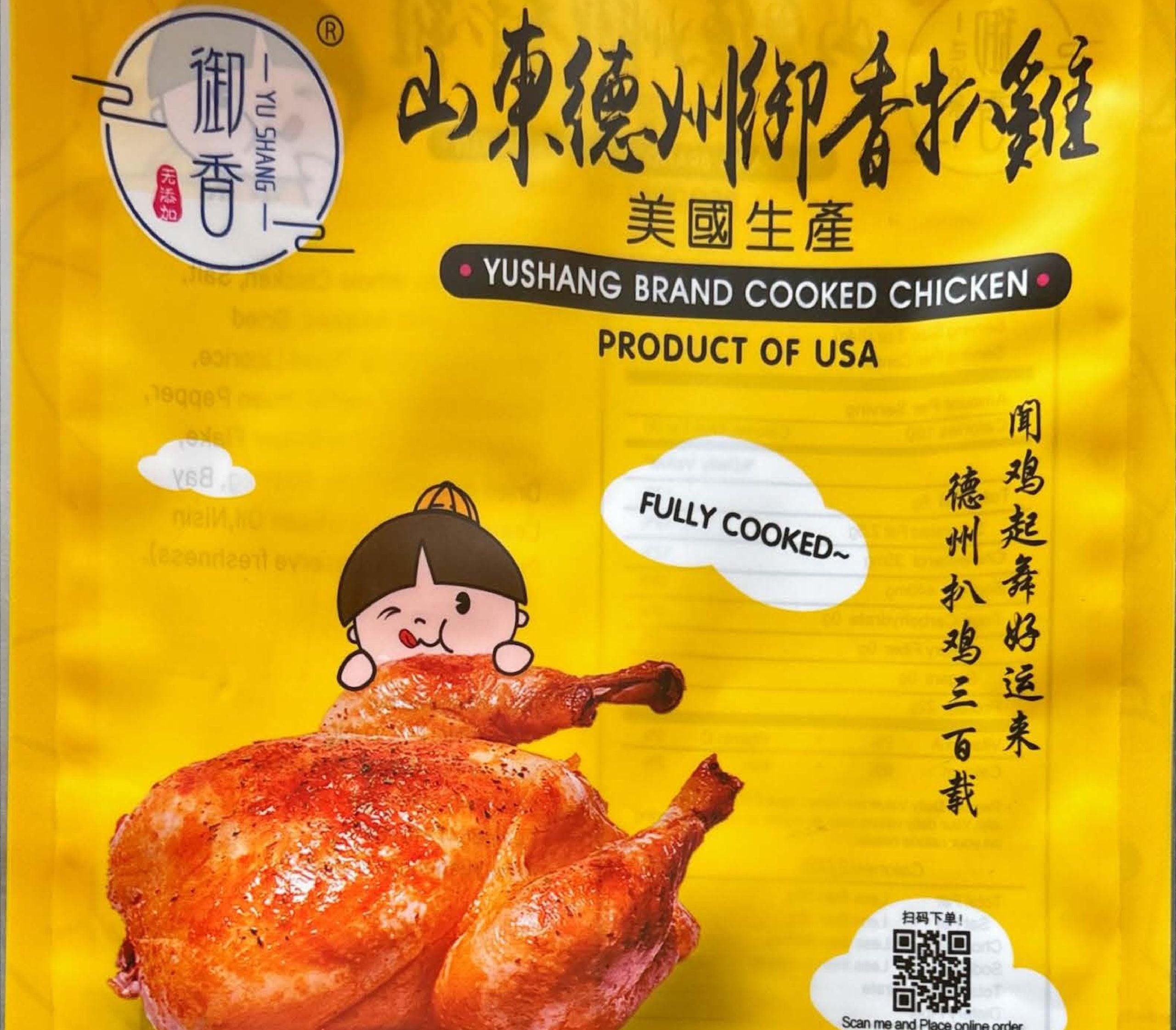
You've probably seen those vacuum-sealed bags in the refrigerated aisle. They aren't flashy. There’s no high-budget mascot or neon branding. Usually, it’s just a clear window showing deep, mahogany-colored meats and a simple label that says Yu Shang Food products. If you know, you know. If you don't, you're missing out on what is arguably the most consistent "shortcut" to authentic Chinese cold cuts and braised delicacies available in the United States today.
It's actually a bit of a cult favorite.
Most people discover these snacks through a friend who brings a bag of sliced beef tendon to a backyard BBQ. Or maybe you saw someone hoarding five packs of the spicy duck necks at an H-Mart or 99 Ranch. Yu Shang has quietly cornered a specific niche: Sushiba or Lou Mei style foods that actually taste like they came from a street stall in Fujian or a busy kitchen in Guangdong, rather than a sterile factory. They’ve managed to scale up "grandma's kitchen" flavors without losing the soul of the dish.
What is Yu Shang Food actually?
At its core, Yu Shang is a specialist in the art of the braise. Based primarily out of New York—specifically the industrial stretches of Brooklyn—the company has spent decades perfecting the mass distribution of perishable, traditional Chinese deli items. We're talking about meats that have been simmered in a master brine (lo shui) containing star anise, cinnamon, Sichuan peppercorns, and aged soy sauce.
The texture is the giveaway.
While many competitors produce rubbery or overly salty preserved meats, Yu Shang tends to hit that sweet spot of "Q" (that bouncy, al dente texture prized in Chinese cuisine). Their catalog is massive. It covers everything from the "gateway" snacks like honey-glazed pork jerky to the more "adventurous" items like spicy chicken feet, duck gizzards, and marinated pig ears. Honestly, it’s a masterclass in nose-to-tail eating that just happens to be available at your local supermarket.
The Science of the Vacuum Seal
How does it stay fresh? That’s the question everyone asks when they see meat sitting in a bag. Yu Shang uses high-barrier vacuum packaging combined with strict temperature controls. They don't rely on the heavy, chemical preservatives that make some shelf-stable jerky taste like a science experiment. This is why you find them in the fridge, not on a dry shelf.
The shelf life is shorter. That’s actually a good sign.
It means the moisture content is still there. When you open a pack of their braised beef shank, the meat isn't desiccated; it’s succulent. Because they use a "wet" braising technique before sealing, the flavors continue to penetrate the meat even while it sits in the warehouse. It’s basically marinating in its own glory until the moment you tear the plastic open.
The "Must-Try" List for Beginners
If you’re standing in the aisle staring at twenty different red bags, it’s easy to get overwhelmed. You don't want to accidentally grab a bag of duck tongues if you aren't ready for the "crunch."
Start with the Braised Beef Shank. It’s the gold standard.
The marbling is usually visible through the plastic. It’s lean but punctuated by ribbons of tendon that turn gelatinous during the cooking process. You don't even need to heat it. Just slice it thin, maybe drizzle a little chili oil on top, and you have a protein dish that looks like it took six hours to prepare.
Then there’s the Smoked Chicken. This is where the New York influence really shines through. It has a deep, wood-fire aroma that isn't subtle. It’s salty, smoky, and the skin has that distinct yellow hue that indicates a proper bath in turmeric or ginger-infused water. It’s the kind of thing you tear apart with your hands over a bowl of plain white rice.
- Spicy Duck Necks: Not for the faint of heart or the lazy. You have to work for the meat here, nibbling between the vertebrae. It’s the ultimate "drinking snack."
- Seasoned Pig Ears: Think of these as the potato chips of the meat world. They are sliced into thin strips with a strip of cartilage in the middle that provides a satisfying snap.
- Braised Tofu Skins: For the vegetarians—or just those who love texture—these soak up the master brine better than any meat ever could.
Why Quality Varies (and What to Look For)
Look, no mass-produced food is 100% perfect every single time. Sometimes a batch might be a bit saltier than the last. Because Yu Shang Food products rely on natural spices and real cuts of meat, there is inherent variability.
Check the "pack date" religiously.
Since these products aren't pumped full of artificial stabilizers, they are at their absolute peak within the first two weeks of production. If the liquid inside the bag looks cloudy or if the bag has lost its tight vacuum seal (air bubbles moving around), put it back. You want that plastic hugging the meat like a second skin.
Also, pay attention to the fat content. Some people complain that the pork belly or the pig ears are "too fatty." In traditional Chinese cooking, that's not a flaw; it's the point. The fat carries the five-spice flavor. If you're looking for a low-calorie, lean turkey breast experience, Yu Shang is going to be a culture shock. This is soul food. It's meant to be rich.
The Cultural Footprint of a Brooklyn Staple
It's fascinating how a brand from Brooklyn became a staple in households from Los Angeles to Houston. Yu Shang represents the "hidden" economy of ethnic food logistics. They solved the problem of how to get perishable, regional Chinese delicacies to suburban Diaspora families who don't have time to spend two days hovering over a braising pot.
They've also adapted.
In recent years, you’ll notice more English on the packaging and more descriptive labels. They realized that second-generation immigrants and non-Chinese foodies were starting to clear the shelves. They didn't change the recipes—thankfully—but they made them more accessible. It’s a bridge between the traditional Chinatown wet market experience and the modern, convenient grocery store.
Cooking vs. Assembling
Technically, these are "Ready to Eat." But "Ready to Eat" is a suggestion, not a rule.
The real pros use Yu Shang as a base. Take the braised tripe, for example. You could eat it cold, sure. But if you toss it into a hot wok with some leeks, fermented black beans, and a splash of Shaoxing wine, you've just created a restaurant-quality stir-fry in four minutes. The hard work—the cleaning, the de-funking, the long-simmering—has already been done by the experts in the Yu Shang kitchen.
Addressing the Sodium Elephant in the Room
Is it healthy?
Well, it’s processed meat. We have to be honest here. It’s high in sodium. If you’re watching your blood pressure, these are "sometimes foods," not "every meal foods." However, compared to standard American deli meats or hot dogs, you’re looking at whole muscle cuts and recognizable spices rather than "pink slime" or mysterious fillers. It’s "cleaner" in terms of ingredients, even if the salt levels are high for preservation.
The beauty is in the intensity. You don't need to eat a pound of braised beef shank to feel satisfied. A few thin slices provide such a concentrated punch of umami and spice that a little goes a long way.
How to Store Your Haul
Once you open that vacuum seal, the clock starts ticking. The lack of heavy preservatives means that once oxygen hits that meat, it wants to turn.
Don't just fold the bag over with a paper clip.
Transfer the leftovers to a glass Tupperware container. It keeps the "fridge smell" out of the meat and keeps the meat's "five-spice smell" out of your milk and butter. Try to finish an opened pack within three days. If you can't, you can actually freeze some of the braised items like the beef shank or tendons. They hold up surprisingly well when thawed, though the texture of the tofu products will change (they become more porous, which some people actually prefer).
Actionable Steps for the Best Experience
To get the most out of your next Yu Shang purchase, follow these specific steps:
- The Temperature Trick: While many of these are great cold, the Braised Pork Belly and Smoked Chicken are 10x better if you bring them to room temperature first. Let the fats soften so they melt on your tongue rather than feeling waxy.
- Create a Custom Dip: Even though the meat is seasoned, a quick dip of black vinegar, minced garlic, and toasted sesame oil elevates the flavor profile from "snack" to "gourmet meal."
- Check the Edges: When buying, look at the edges of the meat through the plastic. You want to see a clear, dark "smoke ring" or braise line. This shows the flavor has actually penetrated the center of the cut.
- The Rice Porridge Pairing: If you find the saltiness too much, chop the meat into tiny cubes and stir it into a hot bowl of plain congee (rice porridge). It’s the ultimate comfort food hack for a cold winter night.
Yu Shang Food products aren't just convenience items; they are a localized preservation of a culinary tradition that is thousands of years old. Next time you're in the refrigerated section, grab a pack of the beef shank. Worst case scenario? You have a new favorite protein for your ramen. Best case? You've just discovered the secret weapon of the Asian-American pantry.



