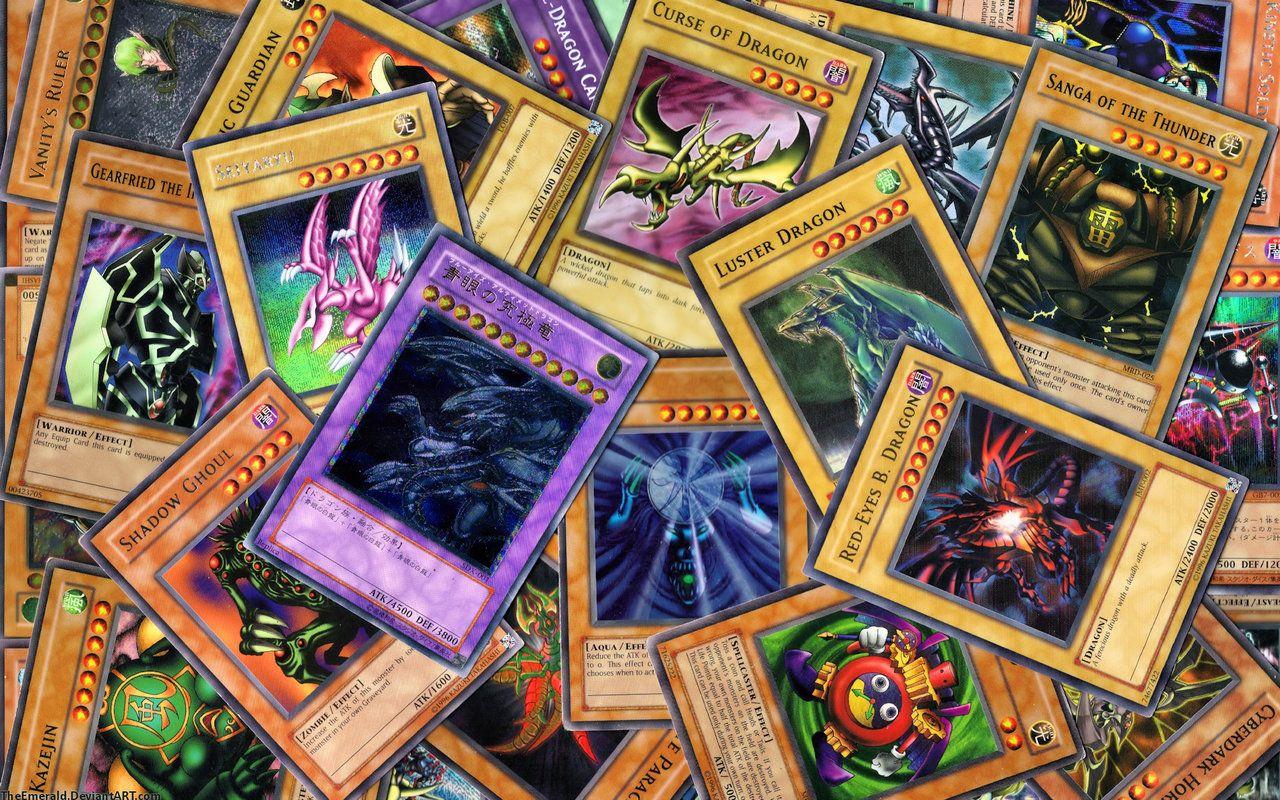
If you grew up during the early 2000s, you probably remember the playground myths. Some kid would swear his cousin in Japan had a copy of Yu-Gi-Oh! the three Egyptian God cards that could literally win the game in one turn, or maybe he claimed the cards were cursed. Honestly, looking back, it's hilarious how much power we gave these pieces of cardboard. But that’s the thing about Slifer, Obelisk, and Ra—they aren't just cards. They are the cornerstone of the biggest TCG franchise in history, representing a peak in the anime's storytelling that Kazuki Takahashi (the late, great creator) never quite topped in terms of raw, intimidating iconography.
They’re legendary.
But if you actually try to play them in a modern tournament? Well, that’s where things get complicated, messy, and a little bit heartbreaking for the nostalgia-seekers.
The Reality of Slifer, Obelisk, and Ra in the Modern Game
Let’s get one thing straight: the anime lied to you. In the show, the Egyptian Gods were basically invincible deities that ignored card effects and required a literal miracle to defeat. In the actual Yu-Gi-Oh! Trading Card Game, they were released as "legal" versions much later than the original Japanese promotional versions (the ones with the red, blue, and yellow backs that said "This card cannot be used in a Duel"). When we finally got the playable versions, the power creep of the game had already started to lap them.
Obelisk the Tormentor is arguably the most "playable" of the trio, mostly because he has built-in protection. You can’t target him with effects. That’s huge. Slifer the Sky Dragon depends entirely on your hand size, meaning if you’re low on resources, he’s a wet noodle. Then there’s The Winged Dragon of Ra. Man, Ra got done dirty. In the anime, it was the ultimate boss. In the TCG, its original release required you to pay almost all your Life Points just to give it ATK, leaving you vulnerable to a single "Magic Cylinder" or "Effect Veiler."
It took years of support cards—like Ancient Chant and Soul Energy MAX!!—to make these cards even remotely functional in a semi-competitive setting. People still try to make them work, though. There is something intoxicating about tribute summoning a giant blue giant and punching over a modern "meta" deck. It’s the ultimate flex.
The Lore Behind the Divinity
In the Duel Monsters lore, these cards were created by Maximillion Pegasus, who was so terrified of their power that he buried them in the tomb of the Nameless Pharaoh. He felt they were too dangerous for the public. That’s a cool narrative hook. It mirrors the real-world scarcity of the original promos.
Slifer is named after Roger Slifer, a producer on the English dub, but in Japan, it’s Sora no Ryū – Oshirisu no Tenkyū (Osiris the Sky Dragon). This naming split created a weird rift in the fandom for years. People would argue about which name was "canon," but honestly, both carry that weight of authority. Obelisk represents the "God of the Obelisk," and Ra, of course, is the sun god. Takahashi drew heavily from Egyptian mythology, but he twisted it into this weird, techno-organic aesthetic that defined the Battle City arc.
You’ve got to appreciate the art. Even today, with all the "Starlight Rares" and "Quarter Century Secret Rares" floating around, nothing beats the sight of an original GBI-001 Secret Rare Slifer. The way the light hits the holographic foil on those old cards? It’s peak 2002.
How to Actually Play Yu-Gi-Oh! The Three Egyptian God Cards Without Losing Every Match
If you’re dead set on building a deck around the Gods, don't just mash them together. That’s a recipe for "bricking"—drawing a hand of high-level monsters you can't summon. You need a strategy.
- The Egyptian God Slime Engine: This is the MVP. It’s a level 10 monster that can be used as all three tributes for a God card. It makes the summoning process way less painful.
- Soul Crossing: This card is basically a "Super Polymerization" for Gods. It lets you tribute your opponent's monsters to summon your God card. It is the single most satisfying way to clear a board.
- The True Sun God: This is a continuous spell that helps you search for Ra or cards that mention it. It also adds a layer of protection that the Gods desperately need.
The biggest hurdle isn't getting them on the field; it's keeping them there. Modern Yu-Gi-Oh! is a game of "non-targeting removal." Your opponent will just use a card like Forbidden Droplet or Raigeki (which is somehow at three copies now, wild times) to wipe your god off the face of the earth. You have to play defensively. You need "negates." You need to understand that your God card is a finisher, not a wall.
The Financial Side of Nostalgia
Collectors go crazy for these things. If you have an original set of the Shonen Jump promos or the retro pack versions, you’re sitting on a decent chunk of change. The market for Yu-Gi-Oh! the three Egyptian God cards is remarkably stable. Why? Because every new generation of players watches the anime and wants the "big three."
Konami knows this. They reprint them constantly. You can buy a "Structure Deck: Egyptian God Deck" for like ten bucks and get a guaranteed Slifer or Obelisk. But the high-end stuff—the ghost rares, the original Japanese Pharaoh's Secret Rares—those are the ones that keep the collectors' market breathing. It’s a weird dichotomy where the cards are simultaneously the most common and the most expensive in the hobby.
Common Misconceptions About the Gods
A lot of people think the God cards are "Forbidden" (banned) in tournaments. They aren't. They just aren't very good compared to modern "archetypes" like Snake-Eye or Kashtira. Another myth is that you can’t use "Monster Reborn" on them. You actually can, but they usually send themselves to the Graveyard at the end of the turn because of their own card text. It’s a "balancing" mechanic that Konami added to keep them from being too oppressive, though in hindsight, they probably could have left it out.
There’s also the "Fourth God" theory. People often point to The Creator God of Light, Horakhty. This card is the fusion of all three Gods. It’s incredibly rare—only released as a prize in a Japanese campaign—and it has an "Instant Win" condition. If you summon Horakhty, the game is over. Period. It makes the three Egyptian Gods look like common fodder.
Building Your Own "God" Deck: A Reality Check
If you're going to build this, focus on one God. Trying to run all three is a nightmare for consistency.
- Obelisk Deck: Focus on "Forbidden Droplet" and "Mound of the Bound Creator." You want to make him an unstoppable tank.
- Slifer Deck: Use the "Revived Sky God" trap card. It lets you discard your hand, draw six, and special summon Slifer from the graveyard. It’s the closest you’ll feel to being Yugi Muto.
- Ra Deck: Go all-in on "Sphere Mode." Interestingly, the "egg" version of Ra is actually a competitive staple because it can tribute three of your opponent's monsters. It’s a "God" card that actually sees top-tier tournament play, even if the golden bird itself doesn't.
Practical Steps for Players and Collectors
If you're looking to jump back into the world of Yu-Gi-Oh! the three Egyptian God cards, here is how you should actually spend your money and time:
- Check the Rarity: Before buying, look at the bottom right corner for the set code (e.g., TN19-EN007). Use sites like TCGPlayer or Cardmarket to verify you aren't overpaying for a common reprint.
- Invest in Protection: If you're playing them, buy "Mound of the Bound Creator." It gives your level 10 monsters targeting and destruction protection. Without it, your God will die to a simple "Compulsory Evacuation Device."
- Watch the Meta: If you're a competitive player, ignore the Gods as "boss monsters" and look at The Winged Dragon of Ra - Sphere Mode as a side-deck option to break apart your opponent's big boards.
- Themed Sleeves: Honestly, half the fun is the aesthetic. Get some Egyptian-themed sleeves. If you're going to play a deck that loses 60% of the time, you might as well look cool doing it.
The Egyptian Gods represent a specific era of gaming where "cool" mattered more than "optimized." They remind us of why we started playing in the first place—to summon giant monsters and shout dramatic attack names. Even if they aren't winning World Championships, they've won the longevity game. They're the faces of the franchise for a reason.
Go grab a Slifer structure deck. Try to pull off the "Thunder Force Attack." It won't make you a pro, but it'll definitely make you feel like a King of Games for a second. That's worth more than a meta-win anyway.