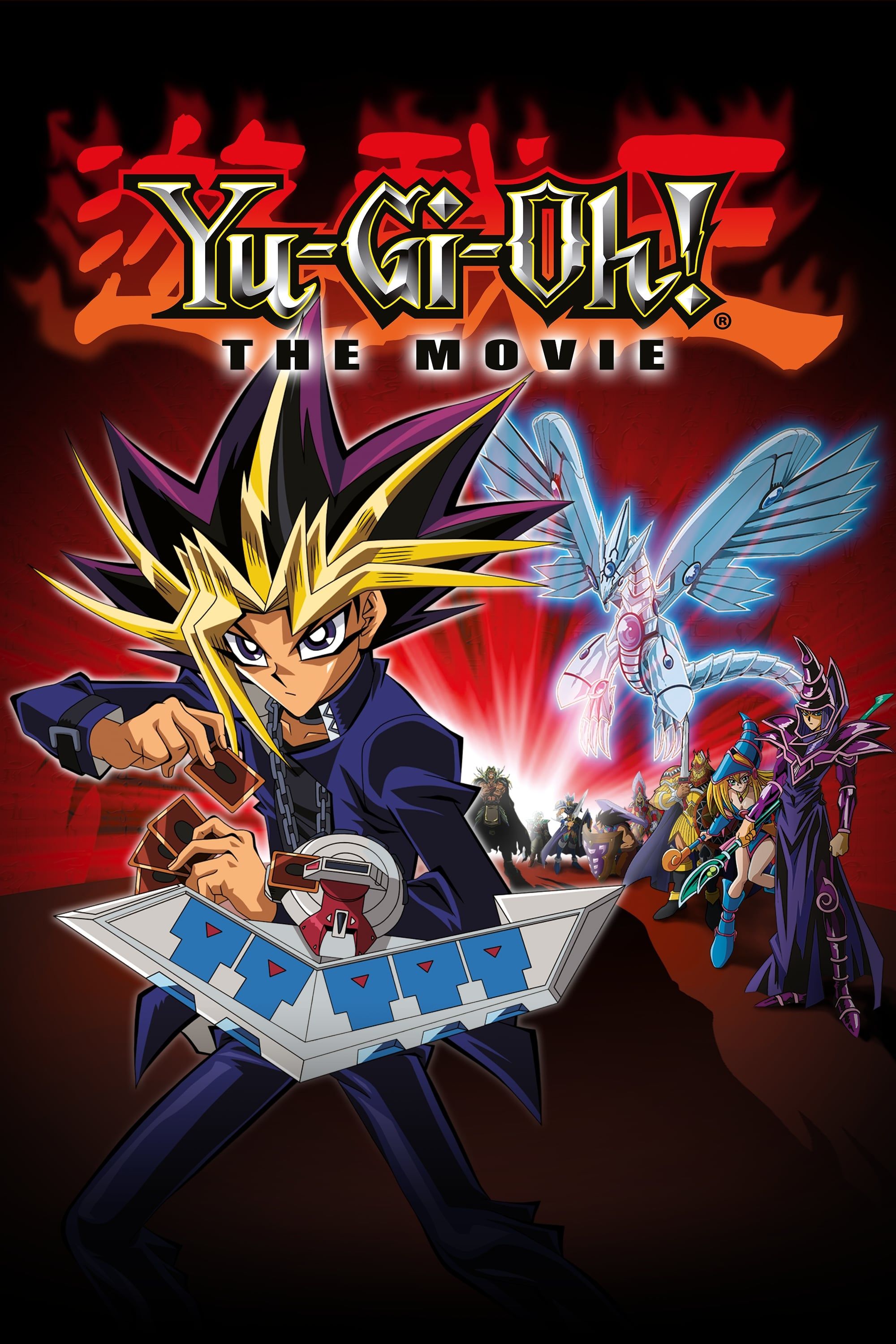
It’s 2004. You’re sitting in a crowded theater, clutching a translucent Blue-Eyes Shining Dragon card like it’s a holy relic. The lights dim. The WB logo flashes. Suddenly, you're thrust into an ancient Egyptian tomb where a generic evil sorcerer named Anubis is screaming about world domination. Looking back, Yu-Gi-Oh! The Pyramid of Light was a total fever dream. It was a weird, messy, corporate-driven spectacle that somehow managed to capture the exact chaotic energy of the early 2000s anime boom. If you were a kid then, this Yu-Gi-Oh movie wasn't just a film; it was an event.
Honestly, the plot is kind of a disaster. It tries to cram 3,000 years of lore into ninety minutes while also selling a brand-new set of trading cards. But despite the nonsensical "Shining Nova" mechanics and the fact that Seto Kaiba’s ego reaches literal stratospheric levels, it remains a fascinating piece of media history. It’s the bridge between the Duelist Kingdom era and the darker themes of the Dawn of the Duel.
The Weird History of the First Yu-Gi-Oh Movie
Most people don't realize that The Pyramid of Light wasn't actually made for Japanese audiences first. This is a common misconception. In reality, 4Kids Entertainment commissioned the film specifically for the Western market. They wanted a big-screen hit to capitalize on the massive success of the Saturday morning cartoon. Because of this, the animation style looks slightly "off" compared to the TV series—cleaner, sure, but missing some of that gritty hand-drawn charm we loved in the Battle City arc.
You’ve got Kazuki Takahashi, the creator of the manga, involved in the designs, but the script feels like a Western superhero movie. It's jarring. We see Yugi and Joey running through the streets of Domino City like they’re in an action flick, which is a far cry from the usual "stand on a platform and talk about card games for five episodes" pace we were used to.
The stakes were ridiculous. Anubis, the villain, wakes up because Yugi solved the Millennium Puzzle. He wants to destroy the Pharaoh. Standard stuff. But then the movie introduces the "Pyramid of Light" card, a literal physical artifact that traps the souls of the losers. It was a blatant way to market the movie-exclusive packs, yet we all fell for it. Why? Because the duel between Yugi and Kaiba in this movie is arguably one of the most visually stunning battles in the franchise.
Why Seto Kaiba Stole the Show
Kaiba is a maniac. Let's just be real. In this Yu-Gi-Oh movie, he spends millions of dollars to build a high-tech duel station just so he can beat a teenager at a card game. He’s obsessed. He goes to Pegasus’s island, bullies the creator of Duel Monsters, and wins two cards that can supposedly "defeat the Egyptian Gods."
His motivation is purely fueled by spite. He can't stand that Yugi has the three God cards (Slifer, Obelisk, and Ra). So, he uses the "Blue-Eyes Shining Dragon." It's one of the coolest monster designs ever, even if its effect in the movie makes zero sense compared to the actual TCG card. The moment it evolves from the Ultimate Dragon is peak cinema for a ten-year-old. It felt like the ultimate payoff for years of Kaiba losing to Yugi's "Heart of the Cards" nonsense.
The 1999 Movie Everyone Forgets
If you mention the "first Yu-Gi-Oh movie" to a hardcore fan, they might correct you. They'll talk about the 1999 Toei Animation short film. That one never officially came to the West in a major way. It features a kid named Shogo who finds a rare Red-Eyes Black Dragon. It’s much shorter, only about 30 minutes, and the art style is vastly different—it's based on the original "Season 0" anime where the games were actually dangerous and Yami Yugi was a literal psychopath who lit people on fire.
The 1999 film is a hidden gem. It captures the "urban legend" feel of the early manga. It’s not about saving the world; it’s about a shy kid finding confidence through a game. Comparing that to the 2004 blockbuster is like comparing an indie drama to a Michael Bay movie. Both have their place, but The Pyramid of Light is the one that defined the global brand.
The Impact of Bonds Beyond Time and The Dark Side of Dimensions
Years later, we got more movies. Bonds Beyond Time was a 3D crossover event that brought Yugi, Jaden (GX), and Yusei (5D’s) together. It was short—barely 45 minutes—and felt more like a special episode. It’s fine for what it is, but it lacks the weight of a standalone story.
Then came The Dark Side of Dimensions in 2016. Now that was a masterpiece. Unlike the earlier films, Takahashi wrote this one himself. It’s a direct sequel to the manga, ignoring the anime’s filler arcs. It’s beautiful, philosophical, and incredibly dark. It deals with grief and the inability to let go of the past. Kaiba literally builds a space elevator and invents a way to travel to the afterlife just to duel the Pharaoh one last time. It puts the 2004 Yu-Gi-Oh movie to shame in terms of quality, but it wouldn't exist without the groundwork laid by the earlier theatrical releases.
The "Free Card" Culture
We have to talk about the promos. You couldn't see the 2004 movie without getting a wax pack at the door. There were four possible cards:
- Pyramid of Light
- Watapon
- Andro Sphinx
- Sphinx Teleia
If you got Watapon, you were probably disappointed. But if you got the Sphinxes? You were the king of the playground for at least a week. This marketing tactic changed how anime movies were handled in the West. It turned a trip to the cinema into a strategic investment. People were literally buying multiple tickets just to hoard the cards and sell them on early eBay.
The legacy of these cards is weirdly persistent. To this day, collectors hunt for the "Gold Edition" versions or the Japanese "Movie Pack" cards. It turned the film into a physical part of the game’s meta, even if the cards themselves were mostly unplayable in competitive decks because they were too slow and required too many resources to summon.
What People Get Wrong About the Lore
A lot of fans complain that the Yu-Gi-Oh movie breaks the rules of the game. They’re right. Yugi uses "Double Spell" to do things the card shouldn't do. Kaiba activates traps from his hand. The life point totals jump around like crazy.
But you have to remember: Yu-Gi-Oh began as a manga about "Shadow Games," not a rigid simulator. The movie follows the logic of the story, not the rulebook of the TCG. The "Pyramid of Light" card isn't just a trap; it's an ancient magical prison. When you view it through that lens, the inconsistencies matter less. It's about the drama of the draw.
The Actionable Legacy of Yu-Gi-Oh on Film
If you’re looking to dive back into the world of Duel Monsters, don't just stop at the 2004 film. There is a specific way to experience these to get the most out of them.
1. Watch "The Dark Side of Dimensions" in Japanese with subtitles. The English dub is nostalgic, but the original script is much more nuanced. It treats the characters with a level of maturity that the 4Kids version tends to gloss over. It’s a genuine sci-fi psychological thriller that happens to involve trading cards.
2. Track down the 1999 Toei film. It's available on various archival sites. It's a fascinating look at what Yu-Gi-Oh was before it became a multi-billion dollar card game franchise. The "Season 0" vibes are immaculate.
3. Analyze the "Shining Dragon" duel. Go back and watch the final duel in Pyramid of Light. Pay attention to the choreography. Despite the cheesy dialogue, the way the monsters interact and the scale of the attacks set the standard for every summoning animation we see in modern games like Master Duel.
The Yu-Gi-Oh movie era proved that anime could be a viable theatrical powerhouse in the West. It wasn't perfect. It was often a glorified commercial. But for a generation of fans, it was the moment their favorite hobby felt "real." It took the small screen of a Saturday morning cartoon and blew it up to a scale that felt legendary. Whether you're there for the nostalgia or the high-stakes dueling, these films remain the cornerstone of the "King of Games" legacy.
Next Steps for the Modern Duelist:
Check out the "Movie Pack" expansions in the TCG. Many of the cards from The Dark Side of Dimensions, like the Blue-Eyes Alternative White Dragon, are still relevant in casual and semi-competitive play today. If you're a collector, look for the original 2004 "Movie Promo" cards in Near Mint condition—they are becoming increasingly rare as the "nostalgia cycle" for the early 2000s reaches its peak. Lastly, if you haven't seen the remastered versions, seek them out; the colors in the Egyptian flashback sequences are significantly more vibrant than the old DVD releases.



