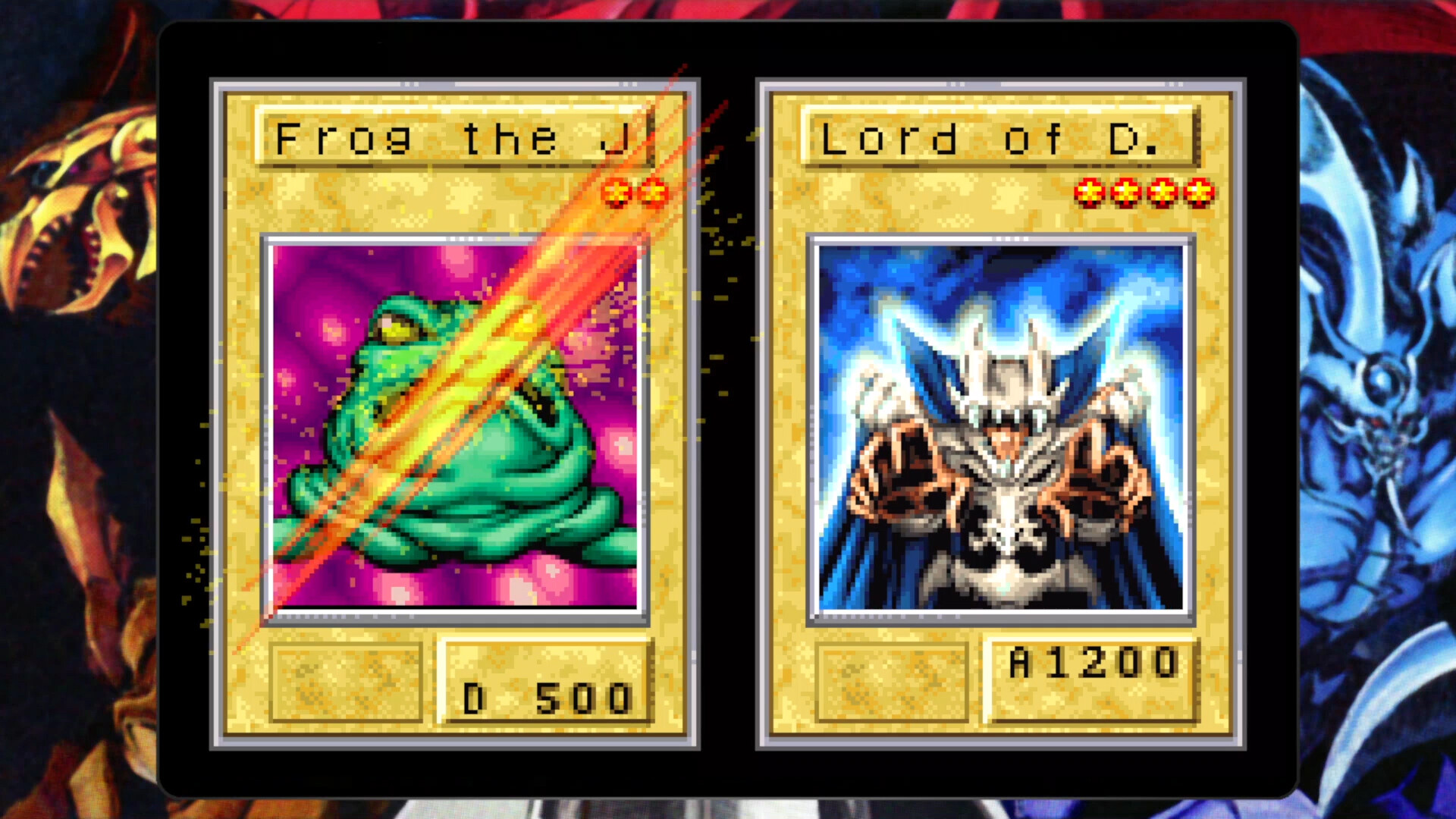
Konami is finally doing it. After years of fans begging, pleading, and frankly, shouting into the void of the internet, the Yu-Gi-Oh! Early Days Collection is a real thing. It’s a massive nostalgia bomb. For anyone who grew up with a Game Boy Color or an original "brick" Game Boy glued to their hands, this isn't just a video game release; it's a digital time capsule.
Let's be real for a second. The modern Yu-Gi-Oh! trading card game is basically a different sport compared to what we played in 1999. Nowadays, a single turn can last ten minutes while your opponent summons fifteen monsters and writes a dissertation on why you aren't allowed to play the game. It’s intense. It’s fast. It’s also incredibly intimidating for anyone who hasn't touched a card since the Bush administration. The Yu-Gi-Oh! Early Days Collection is the antidote to that "power creep" exhaustion.
This collection focuses on the titles released during the late 90s and early 2000s. We’re talking about a time when the rules were... well, they were suggestions at best.
The Wild West of Duel Monsters
Back in the day, the video games didn't always follow the official TCG rules. Why? Because the official rules were barely a thing yet. Kazuki Takahashi’s manga was still figuring itself out. If you played Yu-Gi-Oh! Duel Monsters on the original Game Boy—which was only released in Japan back in 1998—you know exactly what I mean.
The Yu-Gi-Oh! Early Days Collection includes that very first game. It’s basic. It’s primitive. It is also fascinating to look at from a historical perspective. You basically just compared ATK and DEF points. No complex chain links. No graveyard recursion. Just vibes and 8-bit sprites.
Then you have Yu-Gi-Oh! Duel Monsters 4: Battle of Great Duelists. This one is a big deal for collectors because it was famously split into three versions on the Game Boy Color: Yugi, Kaiba, and Joey versions. Each had different cards. It was the Pokémon business model applied to Duel Monsters. Getting these localized and playable on modern hardware like the Nintendo Switch and PC is a massive win for preservationists.
Why Game Mechanics Used to Be So Weird
Honestly, the "Elemental" system in the early games was kind of brilliant, even if it was totally non-canonical. In games like Yu-Gi-Oh! Duel Monsters II: Dark Duel Stories, a monster with lower attack could beat a stronger one just because of its attribute. Water beat Fire. Forest beat Wind. It felt more like an RPG than a card game.
The Yu-Gi-Oh! Early Days Collection highlights this experimental era. Konami wasn't just making a digital version of a card game; they were trying to figure out how to make a compelling Game Boy RPG.
Confirmed Games in the Lineup
While Konami hasn't dumped the entire list of every single game yet, we know the heavy hitters.
- Yu-Gi-Oh! Duel Monsters (Game Boy, 1998)
- Yu-Gi-Oh! Duel Monsters II: Dark Duel Stories (Game Boy Color, 1999)
- Yu-Gi-Oh! Duel Monsters 3: Triumph over the Three Great Gods (Game Boy Color, 2000 - known as Dark Duel Stories in the US)
- Yu-Gi-Oh! Duel Monsters 4: Battle of Great Duelists (Game Boy Color, 2000)
- Yu-Gi-Oh! Duel Monsters 6: Expert 2 (Game Boy Advance, 2001)
The inclusion of Expert 2 is particularly interesting. That game formed the basis for Yu-Gi-Oh! Worldwide Edition: Stairway to the Destined Duel, which many US fans remember as the definitive GBA experience. It actually started following the real rules. Mostly.
The Online Play Factor
This is the part that actually changes the game. Konami confirmed that at least some of these titles—specifically mentioning Yu-Gi-Oh! Duel Monsters 4—will support online play.
Think about that.
You can finally duel your friend across the country using the weird, broken rules of a 2001 Game Boy Color game. No more link cables required. No more sitting on the floor of a school hallway. It’s the retro experience with modern convenience.
However, there is a catch. Not every single game in the Yu-Gi-Oh! Early Days Collection will have online support. Konami is being a bit selective here. It makes sense, though. Balancing the netcode for a game that was never designed for the internet is a technical nightmare. But for the ones that do have it? It’s going to be glorious chaos.
Visuals and Performance: What to Expect
Don't expect 4K remasters. That's not what this is.
These are emulated versions of the original handheld titles. You’ll see the pixel art in all its jagged, low-resolution glory. For some, that’s a turn-off. For the rest of us, it’s pure dopamine. There's something about the way those old monster sprites look—Blue-Eyes White Dragon rendered in four shades of gray—that just feels right.
Konami is adding some "quality of life" features, though. You can expect save states, which is a godsend because some of these old games were notoriously stingy with save points. Also, the "Card Gallery" feature lets you look at the high-res versions of the card art, which is a nice bridge between the 8-bit past and the high-def present.
The "Hidden" Value of Japanese Exclusives
For Western fans, the biggest draw of the Yu-Gi-Oh! Early Days Collection is the localization. Several of these games never officially left Japan. We only knew about them through grainy screenshots in magazines like Electronic Gaming Monthly or Shonen Jump.
Playing Duel Monsters 1 in English is a "bucket list" item for hardcore fans. It’s the origin story. It’s where the digital side of the franchise began. Finally being able to navigate those menus without a translation guide printed out from GameFAQs is a luxury we waited twenty-five years for.
Addressing the "Missing" Games
Is it a perfect collection? Maybe not quite yet.
Fans are already asking about The Eternal Duelist Soul or World Championship 2004. There’s also the "Forbidden Memories" elephant in the room. Yu-Gi-Oh! Forbidden Memories on the PlayStation 1 is legendary for being incredibly difficult and having a soundtrack that absolutely slaps. As of right now, this collection is heavily focused on the handheld side—specifically Game Boy and Game Boy Advance.
That doesn't mean the console games won't show up later as DLC or in a "Volume 2." Konami has a history of doing this with their Castlevania and Contra collections. They test the waters with one release and then drop more if the sales are there.
The Physical Bonus: A Dying Breed
In a move that proves Konami knows their audience, the physical version of the Yu-Gi-Oh! Early Days Collection (at least in certain regions) comes with a physical card. Specifically, a Quarter Century Secret Rare version of "Harpie's Feather Duster."
It’s a smart play. The crossover between people who play the video games and people who collect the physical cards is basically a circle. That one card might end up being worth a significant chunk of the game's retail price on the secondary market. It makes the "Early Days" feel like a celebration of the brand, not just a digital port.
Why You Should Actually Care
If you're a "competitive" player, this might feel like a distraction. You’ve got Master Duel. You’ve got Duel Links. Why play a game where you can't even Synchro Summon?
The answer is simple: Pacing.
There is a meditative quality to these early games. You draw a card. You set a card. You pass. It’s tactical in a way that feels more like chess and less like a fighting game. The Yu-Gi-Oh! Early Days Collection allows you to breathe. It’s the perfect game to play while you’re watching a movie or sitting on a plane. You don't need to memorize a 20-step combo to have fun. You just need to know that Summoned Skull is stronger than most things.
Practical Next Steps for Fans
If you're looking to dive into the Yu-Gi-Oh! Early Days Collection, here is how to prepare for the nostalgia trip.
- Check your platform: The collection is launching on Nintendo Switch and PC (via Steam). If you want the physical card bonus, you’ll almost certainly need to go with the Switch physical edition.
- Brush up on "Ancient" rules: Before you jump into Duel Monsters 1 or 2, remember that "Tribute Summoning" wasn't a thing in the earliest games. You could just drop a Blue-Eyes on turn one if you had it in your hand. It's broken, it's unfair, and it's hilarious.
- Manage your expectations on localization: While the menus and main text are localized, some of the very specific card flavor text in the oldest titles might be simplified compared to modern TCG standards.
- Look for the "Volume 1" tag: Konami has hinted that this is just the beginning. If your favorite GBA title isn't on the list yet, keep an eye on Japanese trade show news for "Volume 2" announcements.
- Clean your screen: These are handheld games. They were designed for small screens. Playing them on a 65-inch OLED might be... a bit much. The Switch's handheld mode is likely the "intended" way to experience these for maximum nostalgia.
The Yu-Gi-Oh! Early Days Collection is a love letter to the era of schoolyard trades and playground rumors. It’s a reminder that before it was a global multi-billion dollar esport, it was just a weird, cool game about monsters in a box. It’s about time those boxes were opened again.