If you walked into a local game store three years ago, the vibe was different. People were complaining about "Tearlaments" or how expensive "Pot of Prosperity" had become. But honestly, Yu-Gi-Oh 2025 feels like a completely different beast. We aren't just looking at new cards anymore. We are looking at a fundamental shift in how Konami manages the game's power creep and its secondary market.
It's messy. It's fast. And frankly, it's a little exhausting if you're trying to keep up without a deep wallet.
The game has reached a tipping point where "hand traps" aren't just optional utilities; they are the literal oxygen of the format. If you aren't playing ten to fifteen of them, you’re basically just watching your opponent play Solitaire for ten minutes. That is the reality of the game right now.
The Quarter Century Secret Rare Hangover
We just moved past the 25th-anniversary celebrations, and let’s be real, the "Quarter Century Secret Rare" (QCR) gimmick changed the way collectors look at these sets. In early 2025, we are seeing the fallout of that. Konami realized that people will chase rarities even if the base set is mediocre. This has led to some weirdly top-heavy sets where the "meta" cards are accessible, but the "pretty" cards cost as much as a used Honda Civic.
Take the Infinite Forbidden and Rage of the Abyss fallout. We saw cards like Fiendsmith Engraver absolutely dominate the competitive landscape. If you weren't running the Fiendsmith engine in late 2024 and early 2025, you were essentially playing at a disadvantage. It wasn't just a "good" engine. It was ubiquitous. It was everywhere. It was in your nightmares.
But here is the thing about Yu-Gi-Oh 2025 that most people get wrong: they think the game is dying because of power creep. It’s actually the opposite. The player base is massive, but it’s fractured. You have the "Master Duel" crowd who only plays digital, the "Edison" fans who refuse to play anything printed after 2010, and the "Advanced" players who are currently trying to figure out how to stop a first-turn kill with nothing but a prayer and an Ash Blossom & Joyous Spring.
Why the Banlist is Now a Weapon of Mass Destruction
Konami’s approach to the Forbidden & Limited list has shifted. It used to be about balance. Now? It feels like a seasonal rotation in disguise. In Yu-Gi-Oh 2025, the banlist isn't just trimming the fat; it’s often nuking entire archetypes to make room for whatever is in the next core booster set.
We saw this with the aggressive hits to Snake-Eye. People loved that deck. Then they hated it. Then Konami killed it.
The cycle is getting shorter.
If you're a competitive player, you have to accept that your $400 deck might have a shelf life of exactly three months. That’s a tough pill to swallow for the average person who just wants to go to a Regional and not get washed.
The Rise of Tactical Talent
Let’s talk about the actual gameplay. It’s not just about "who goes first" anymore, though that’s still a huge factor. The 2025 meta is defined by "non-engine" slots. When you look at a deck list from a recent YCS (Yu-Gi-Oh! Championship Series), the actual theme of the deck—say, Tenpai Dragon or White Forest—is often only 15 to 20 cards. The rest? It’s all board breakers. Mulcharmy Fuwalos, Infinite Impermanence, Nibiru, the Primal Being.
The game has become a struggle of resources where you are fighting to even be allowed to play a card. Some find it thrilling. Others think it’s a sign that the game's mechanics are buckling under their own weight.
Honestly, the most interesting thing happening right now is the "Multi-Format" push. Konami is finally acknowledging that not everyone wants to play the high-speed, 20-summons-per-turn modern game. Time Wizard formats are becoming sanctioned staples at large events. You can go to a 2025 event and choose to play "Tengu Plant" or "Goat Format" and actually get rewarded for it. That is a massive win for the longevity of the brand.
Master Duel is the Tail Wagging the Dog
You cannot talk about Yu-Gi-Oh 2025 without talking about the digital side. Master Duel has surpassed the physical TCG in terms of active daily users by a landslide. It’s cheaper. It’s faster. The animations are crisp.
But it’s creating a weird disconnect.
The "Maxx C" debate is the eternal flame of the Yu-Gi-Oh community. In the TCG (the physical cards in the West), "Maxx C" is banned. In Master Duel and the OCG (Asia), it's at three. This creates two entirely different sub-cultures. TCG players pride themselves on complex combo lines that don't care about a "draw 1" effect, while Master Duel players have to build every single deck around the "Maxx C" mini-game.
As we move through 2025, the pressure for Konami to "unify" the lists is growing. Will they do it? Probably not. The TCG market is too different from the OCG. We like our high-impact blowouts; they prefer a more grindy, resource-focused game.
The Financial Reality of the 2025 Meta
If you want to win a YCS today, you need to be prepared for the "Price Spike."
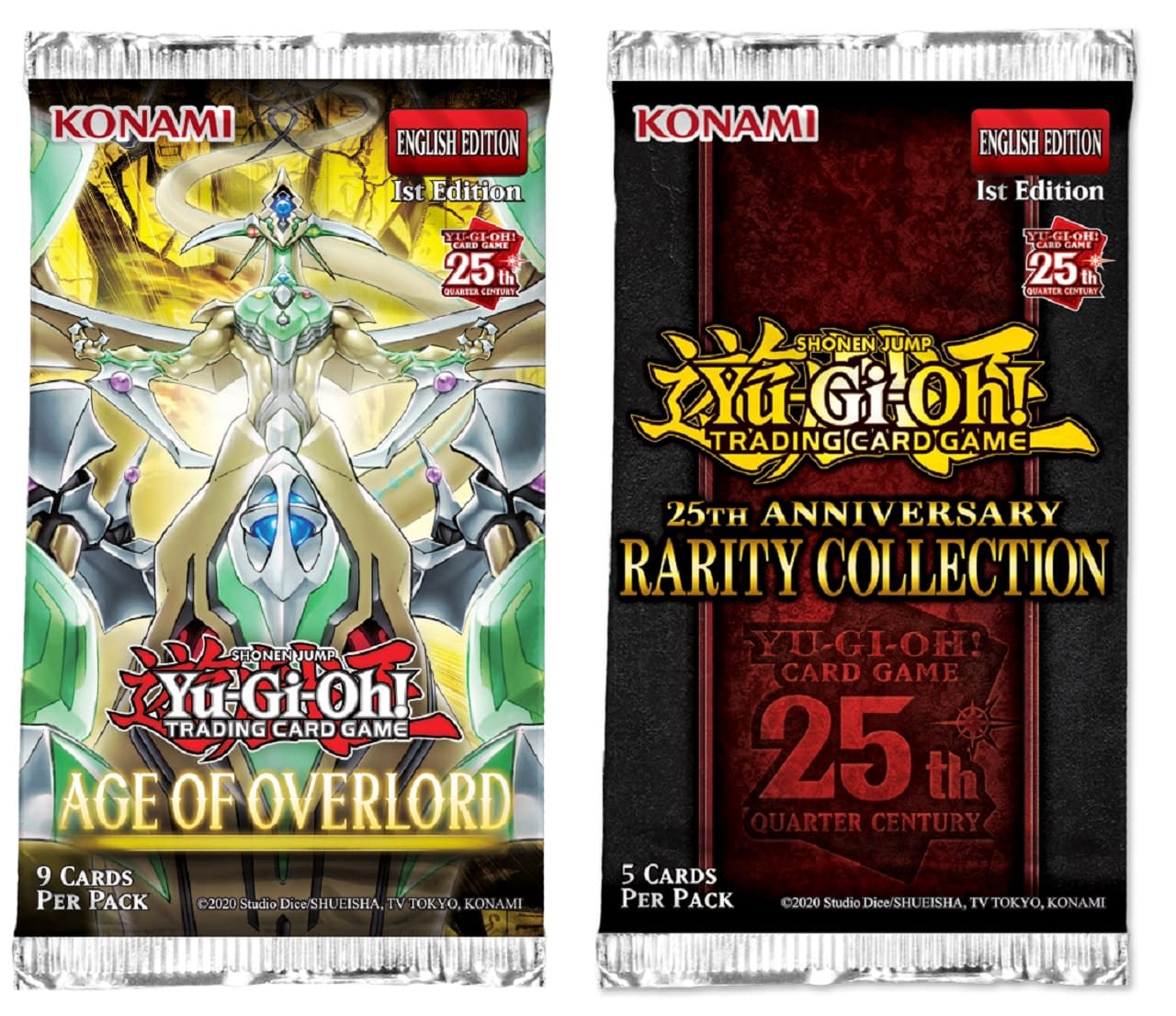
We've seen it with cards like S:P Little Knight. When a card is that good—when it fits into every single extra deck—the price becomes a barrier to entry. In 2025, Konami has tried to mitigate this with "Rarity Collection" style sets, which are frankly the best thing they've done in a decade. They take those $100 staples and print them as $5 commons.
But there’s a catch.
By the time the card is affordable, it’s usually about to be power-crept or banned. It's a "catch-22" for the budget player. You can play the best deck, but only after it’s no longer the best deck.
What to Actually Buy Right Now
If you're looking to get into Yu-Gi-Oh 2025 without losing your shirt, stop chasing the "Tier 0" deck. Every time a deck becomes Tier 0, it gets slaughtered. Instead, look at the "Rogue" options that have high ceiling potential.
- Ritual Beasts: They got new support that actually makes them viable again. It's a high-skill ceiling deck that rewards you for knowing your lines.
- Labrynth: Still here. Still annoying. Still one of the best "trap" based decks ever designed. It survives almost every banlist because it doesn't do anything inherently "broken" compared to the combo decks.
- Raizeol: The new kid on the block. Fast, rank-4 focused, and surprisingly consistent.
The "Anime" Factor and Nostalgia Bait
We have to mention the Blue-Eyes White Dragon situation. 2025 has seen a massive influx of "legacy" support that actually works. For years, "Blue-Eyes" was a meme. It was a bricky mess that lost to a single interruption.
With the new Structure Deck: Blue-Eyes White Destiny (and the subsequent support in core sets), the deck is actually... okay? It's not winning Worlds, but you can take it to a Local and not get laughed out of the building.
Konami is leaning hard into the nostalgia of the "DM" (Duel Monsters) and "GX" eras because that's where the money is. The 30-year-olds with disposable income want to play their childhood cards, but they want them to actually function in a modern setting. Balancing that "classic" feel with "modern" power levels is a tightrope walk that Konami is getting surprisingly good at.
Future Outlook: What's Next?
As we look toward the end of 2025 and into 2026, the rumors of a "New Mechanic" are starting to circulate again. We haven't had a new card color since Links in 2017. Is the game ready for another one?
Probably not.
The complexity level is already through the roof. Most judges will tell you that the number of "illegal game states" in a standard tournament is at an all-time high because the cards have too much text. We don't need a new mechanic; we need a "Keyword" system like Magic: The Gathering or Lorcana.
Imagine if "This card cannot be destroyed by card effects" was just replaced with a word like Indestructible. It would save so much space and make the game way more approachable for new players.
Actionable Steps for Players in 2025
If you're feeling overwhelmed by the current state of the game, here is how you navigate the rest of the year:
- Prioritize the "Staple" Rarity Collections. Don't buy single packs of core boosters hoping to hit a secret rare. Buy the guaranteed value sets to build your "toolbox" of hand traps and extra deck staples.
- Use Digital Testing. Never buy a physical deck until you’ve played 50 matches with it on a simulator. The meta moves too fast to "blind buy" a deck because it looks cool.
- Watch the OCG. The Japanese meta is usually 3-6 months ahead of the Western TCG. If a deck is dominating in Tokyo right now, start looking for those cards in the West before the price spikes.
- Find your "Format." If the modern "Advanced" game feels too fast, look for a local group playing "Edison" (2010 era). It’s the fastest-growing way to play the game right now and it’s much cheaper.
The game isn't going anywhere. It's just evolving into something faster and more intense. Whether that's a good thing or a bad thing depends entirely on how much you like "chain link 4" on your first turn.
One thing is for sure: Yu-Gi-Oh 2025 is anything but boring. It's a high-stakes, high-speed game of mental chess that just happens to have some really cool dragons on the cards. Stick to the staples, watch the banlist leaks like a hawk, and for the love of Ra, remember to read your opponent's cards before you click "Yes" on that prompt.
Stay focused on the long-term value of your collection rather than the short-term hype of the latest "broken" engine. The players who thrive in this era are the ones who understand that the meta is a pendulum; what's on top today will be at the bottom by the next season. Build a solid foundation of generic power cards, and you'll be able to pivot to any deck the year throws at you.