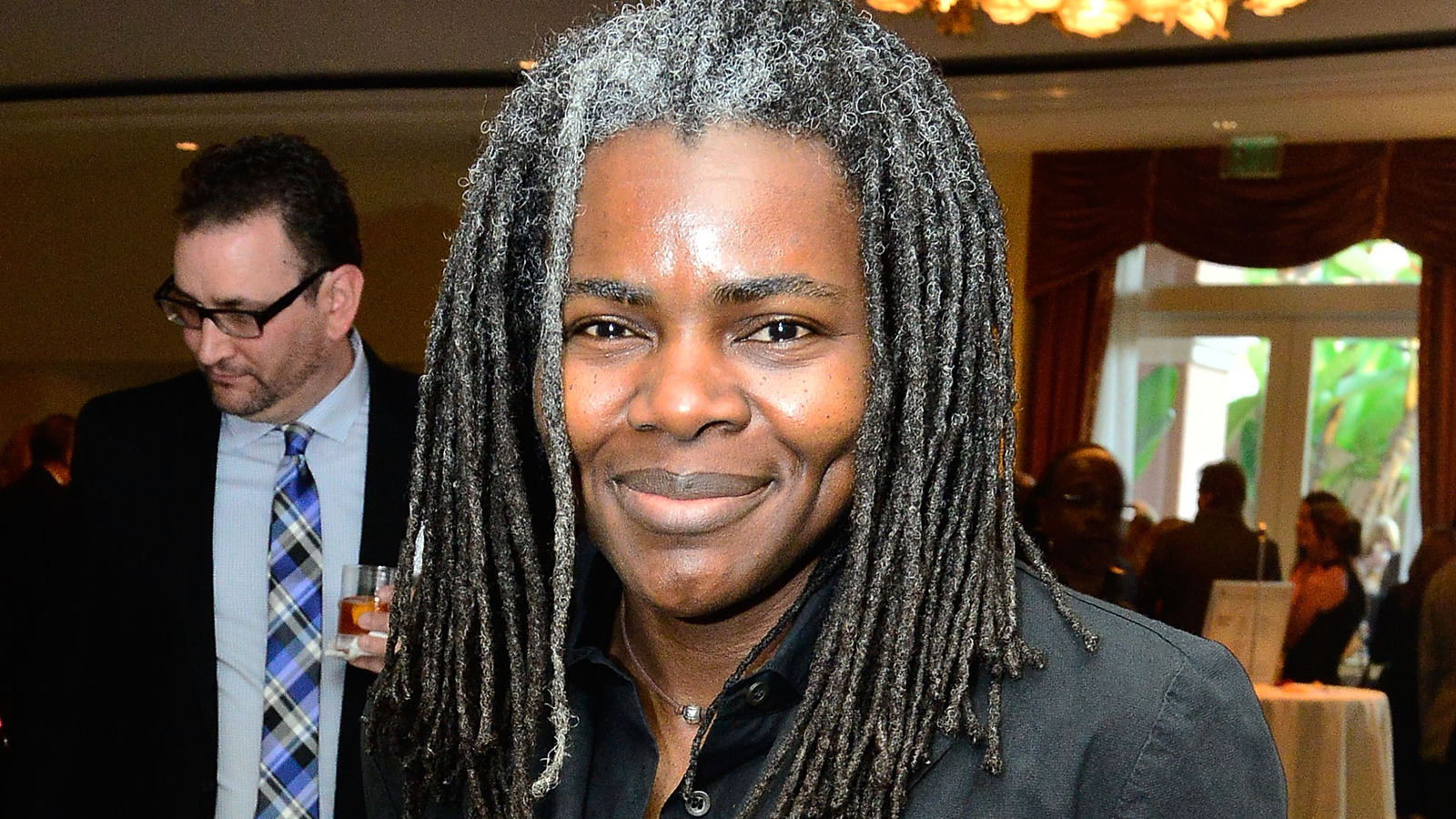
You know that feeling when the first four notes of a song hit and the entire room just goes quiet? That’s what happens every single time that circular, bittersweet acoustic guitar riff starts up. Honestly, it doesn't matter if you’re 15 or 65. When you hear the words you’ve got a fast car, you aren't just listening to a radio hit. You’re stepping into a short story about the crushing weight of the American dream and the desperate, flickering hope that maybe—just maybe—this time things will be different.
Tracy Chapman didn't just write a song in 1988. She bottled a very specific kind of lightning. It’s a song about poverty, but it's also about the feeling of your arm around someone’s shoulder while the wind whips through your hair. It’s about the crushing realization that the person you thought was your ticket out is actually just a mirror of the person you were trying to run away from.
The Night Everything Changed at Wembley
A lot of people think Tracy was an instant superstar. Not exactly. She was a folk singer from Cleveland who had moved to Boston for college. She was playing coffeehouses. Then came the Nelson Mandela 70th Birthday Tribute at Wembley Stadium in June 1988.
The story is kinda wild. Stevie Wonder was supposed to go on, but his equipment had a massive hard drive failure. It was a disaster. The producers panicked and shoved Tracy back out on stage with nothing but her guitar. No band. No lights. Just her. She played "Fast Car." By the time she finished, the world had shifted. The album went to number one almost overnight.
Why the Song is Back (And Bigger Than Ever)
Unless you've been living under a literal rock, you know that country star Luke Combs released a cover of the song in 2023. It wasn't just a "tribute"—it became a monster hit. It actually peaked at number two on the Billboard Hot 100, which is even higher than Tracy’s original peak at number six.
But here’s the cool part: Tracy Chapman owns her publishing. Because she’s the sole writer, every time that song gets played on a country station or streamed on Spotify, she gets a check. Estimates suggest she cleared over $500,000 in royalties from Luke's cover alone within the first year.
Breaking Barriers in Nashville
- CMA History: In late 2023, Tracy became the first Black woman to win Song of the Year at the Country Music Association Awards.
- Chart Milestones: She was the first Black woman to have a solo writing credit on a number one country hit.
- The 2024 Grammys: That duet. You’ve seen the clip. The way Luke looked at her with pure, unadulterated reverence? That was real. It wasn't just "good TV." It was a moment of generational healing.
The Lyrics: It's Not Actually About a Car
If you listen closely, the car is a metaphor that fails. In the first verse, she’s hopeful. She’s working at a convenience store, saving "a little bit of money." She thinks if they just get to the city, they can "be someone."
But the cycle repeats. Her dad was an alcoholic who couldn't work. By the end of the song, the guy with the fast car is doing the same thing. He’s at the bar, drinking with his friends, while she’s still working the checkout line. The "fast car" wasn't fast enough to outrun the reality of their lives.
"You still gotta make a decision: Leave tonight or live and die this way."
That line is the gut punch. It’s a song about agency. It’s about the moment you realize that your "escape" is actually just another cage.
The Gear and the Sound
The original recording is incredibly sparse. It’s mostly her voice and that 1980s-inflected folk production. Interestingly, she didn't actually own a "fast car" when she wrote it. In an old interview with Rolling Stone, she joked that she was actually driving a 1980 Toyota Tercel with nearly 100,000 miles on it.
Why It Sounds So "Human"
- The Tempo: It’s not perfectly on a grid. It breathes.
- The Vocals: Tracy has a rich, contralto voice that feels like warm velvet but has the weight of lead.
- The Structure: No big flashy bridge. Just the story, told plainly.
Is it Autobiographical?
Tracy has always been notoriously private. She lives a quiet life in San Francisco and rarely does interviews. When asked if the song is about her, she usually says it’s "emotions I've felt but not always things I've been through." She grew up in a working-class neighborhood in Cleveland, so she definitely saw the struggles she’s singing about firsthand.
The song isn't just "oldies" music anymore. It’s a living document. Whether it's the 1988 original or the 2023 country version, the core message remains: we are all just trying to get somewhere better than where we started.
What to do next
If you're feeling the nostalgia, here's how to actually appreciate the legacy of this track:
- Watch the 1988 Wembley Performance: Search for the "Nelson Mandela" version. The silence of 72,000 people listening to a single acoustic guitar is something you have to see to believe.
- Check out the rest of the album: Everyone knows "Fast Car" and "Talkin' 'bout a Revolution," but tracks like "Mountains o' Things" are masterclasses in songwriting that still feel relevant in 2026.
- Support the Songwriter: Since Tracy owns her masters and publishing, simply streaming her original version on a platform like Tidal or buying a vinyl copy is the most direct way to support her work.
The story of the girl in the checkout line is still being written by millions of people every day. Maybe that's why we can't stop listening.
[/article]



