Money talks. In the world of Big Tech and high-stakes politics, it usually shouts. You might've seen the headlines lately about Google’s video giant finally closing a chapter that’s been open since the smoke cleared at the Capitol years ago. Basically, YouTube has agreed to pay $24.5 million to settle the lawsuit filed by Donald Trump over his 2021 account suspension.
It feels like a lifetime ago when every major social media platform hit the "ban" button at once. But for the legal teams involved, it’s been a long, slow grind through the federal court system. This settlement isn't just about a check, though. It’s about how the biggest companies on the planet are suddenly finding ways to make peace with a commander-in-chief they once locked out of the digital town square.
Honestly, the way the money is being sliced up is the most "Trump" part of the whole story.
The $24.5 Million Breakdown: Where Does the Cash Go?
If you think this money is just sitting in a corporate escrow account, think again. According to court filings from the U.S. District Court for the Northern District of California, the lion's share—$22 million—is being funneled into a very specific project.
It’s headed to the Trust for the National Mall. Specifically, the funds are earmarked to support the construction of a new White House State Ballroom. It’s a project that’s been a major talking point for the administration, with total costs estimated to be around $200 million.
The remaining $2.5 million? That’s going to the co-plaintiffs. We're talking about groups like the American Conservative Union and individuals like author Naomi Wolf. They joined the ride back in 2021, and now they’re getting a piece of the pie for their trouble.
Why settle now?
Wait, didn't the courts basically say Trump would lose this years ago? You're right. Early on, judges were pretty skeptical. They leaned on the idea that YouTube is a private company with its own First Amendment rights to moderate content. But things changed.
John P. Coale, the lawyer who handled the cases, was pretty blunt about it when talking to the Wall Street Journal. He basically said that if Trump hadn't been re-elected, they’d still be in court for "1,000 years." The re-election changed the leverage. Suddenly, a long-shot legal battle became a PR and regulatory headache that Google just wanted to go away.
A Growing Trend of Big Tech "Bending the Knee"
YouTube isn't the first to pull out the checkbook. It’s actually the last of the "Big Three" to fold.
- Meta (Facebook/Instagram): Settled in January 2025 for $25 million.
- X (formerly Twitter): Settled in February 2025 for $10 million.
- Alphabet (YouTube/Google): Now hitting that $24.5 million mark.
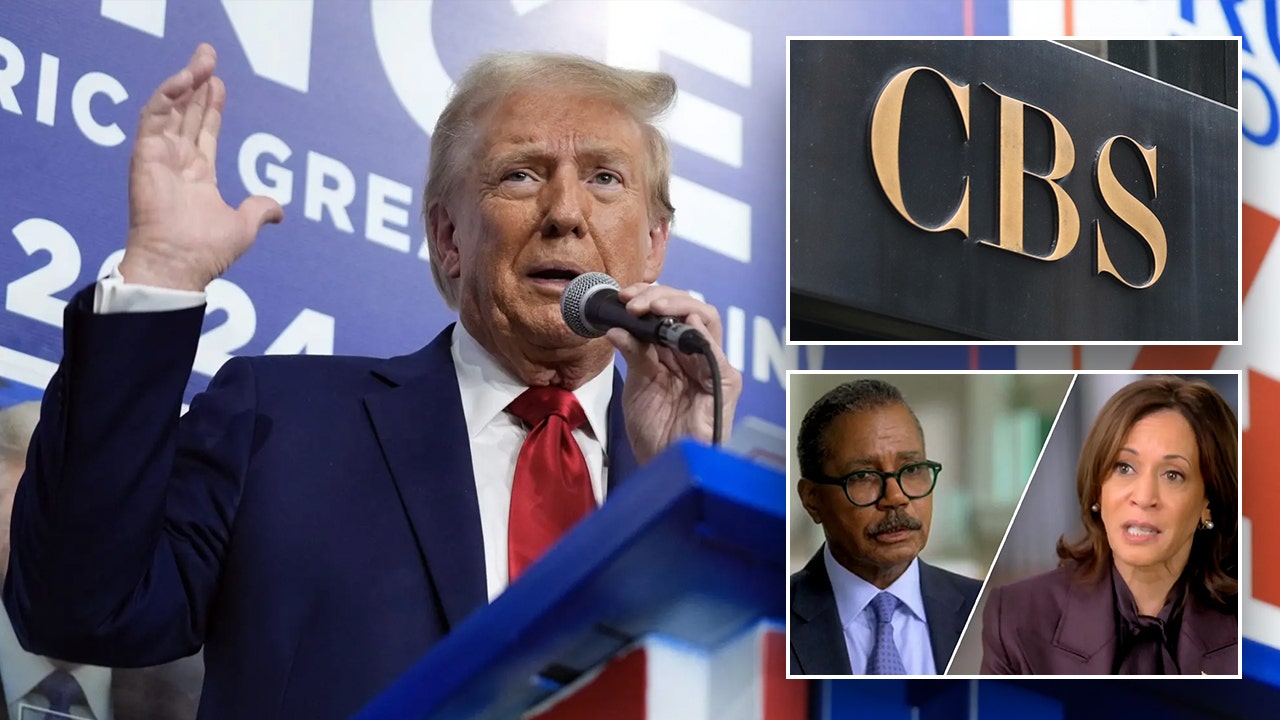
That brings the total "settlement tour" for these specific social media bans to roughly $60 million. And that’s not even counting the media companies. Paramount Global (which owns CBS) paid out $16 million over a 60 Minutes interview dispute, and ABC News reportedly contributed $15 million to the Trump library to settle a defamation claim involving George Stephanopoulos.
It’s a massive shift. Just a year or two ago, these companies were standing firm on their "right to moderate." Now, they're lining up to clear the deck of any lingering litigation.
The Fine Print: No One Admitted They Were Wrong
Don't expect an apology video from Sundar Pichai. The court documents are very clear on one thing: this is not an admission of guilt. YouTube still maintains that they suspended the channel because it violated policies against inciting violence. The settlement is what lawyers call a "compromise of disputed claims." Basically, it’s cheaper and less risky for Google to pay $24.5 million—a rounding error for a company that makes billions in ad revenue every quarter—than to let the case drag on during a second Trump term.
What This Means for Free Speech and the Future of the Web
This is where it gets kinda messy.
Legal experts are split. Some, like Timothy Koskie from the University of Sydney, worry that these settlements erode a "rules-based order." If companies settle lawsuits just because of political shifts, does that mean the rules only apply when you’re out of power?
On the other side, Trump’s allies see this as a massive win for free speech. They argue it proves that "Big Tech" overreached and used its power to silence a sitting president. For them, the $24.5 million is a penalty for what they call illegal censorship.
Actionable Insights: What You Should Keep an Eye On
If you're following the intersection of tech and politics, the "YouTube to pay $24.5 million to settle trump lawsuit" story is just the tip of the iceberg. Here is what to actually watch for next:
- The Ballroom Project: Keep an eye on the Trust for the National Mall. Since $22 million of this settlement is funding the White House ballroom, the progress of that construction will be a literal, physical monument to this legal era.
- Content Moderation Shifts: Notice how your feed feels. YouTube has already started reinstating creators who were previously banned for election misinformation. This settlement suggests the platform is moving toward a much more hands-off approach to political speech to avoid future legal headaches.
- Regulatory Favors: Watch for Alphabet’s upcoming antitrust battles. Many analysts believe these settlements are a way for tech CEOs to "curry favor" before major Department of Justice decisions. If the government suddenly goes easy on Google’s ad business, people will point back to this settlement.
Ultimately, this deal closes the book on the 2021 bans but opens a whole new chapter on how platforms handle powerful political figures. It's a $24.5 million lesson in the reality of doing business in 2026.
To stay informed, monitor the official filings from the U.S. District Court for the Northern District of California and the quarterly earnings calls from Alphabet Inc., where the impact of legal settlements is often buried in the "other expenses" category.