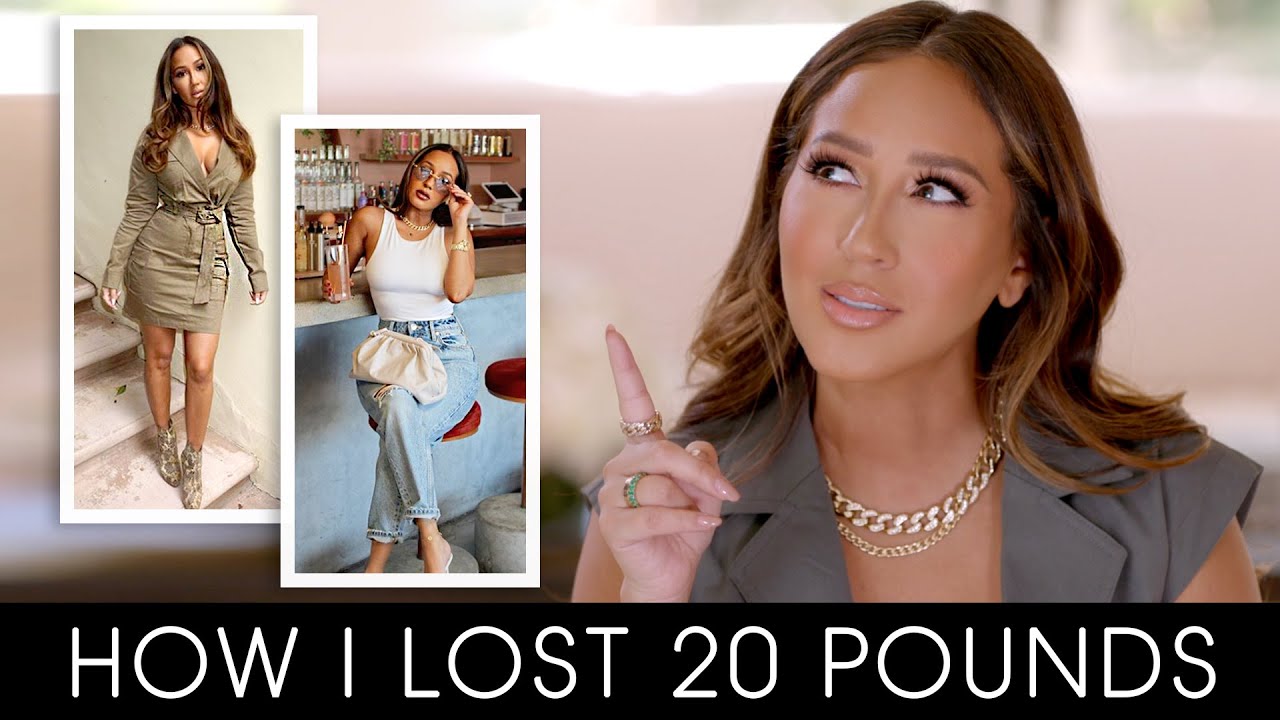
Let's be real. Most people treat YouTube for weight loss like a magic pill. You search "10-minute ab workout," click the first thumbnail with a neon font, sweat for a bit, and then wonder why the scale hasn't moved three weeks later. It's frustrating. It's also totally predictable.
YouTube is a mess of incredible free information and absolute garbage. You’ve got world-class trainers like Jeff Cavaliere (Athlean-X) sharing biomechanical insights right next to "influencers" who think drinking celery juice for five days is a sustainable metabolic strategy. If you don't know how to filter the noise, you're just spinning your wheels.
The Algorithmic Trap of Fitness Content
The YouTube algorithm cares about one thing: watch time. It doesn’t care if you actually lose five pounds. It cares if you stay on the platform. This creates a weird incentive for creators to make "clickbaity" titles that promise the world. You’ve seen them. "Lose Belly Fat in 7 Days" or "The One Exercise to Kill Love Handles."
Physiologically, you cannot spot-reduce fat. Science is pretty clear on this. A study published in the Journal of Strength and Conditioning Research confirmed that localized muscle endurance exercises do not affect local adipose tissue deposits. Basically, doing a million crunches won’t melt the fat off your stomach if your diet is a wreck. But "Do Crunches to See Your Abs" gets more clicks than "Maintain a Caloric Deficit and Lift Weights for Six Months."
People want the shortcut. YouTube gives it to them, even if it's a lie.
Why Quality Matters Over Quantity
It's tempting to follow the person with the most subscribers. Don't. Reach isn't the same as expertise. Look for creators who cite their sources or have legitimate credentials—think CSCS (Certified Strength and Conditioning Specialist) or Registered Dietitians.
Take someone like Dr. Mike Israetel from Renaissance Periodization. His videos are long. They are dense. They are sometimes aggressively nerdy. But he understands the nuance of hypertrophy and fat loss better than almost anyone else on the platform. He’ll tell you that consistency is boring and that most supplements are a waste of money. That’s the kind of honesty you need.
The Hidden Danger of "Follow-Along" Workouts
Follow-along videos are the bread and butter of YouTube for weight loss. They’re convenient. You just hit play and move. But there is a massive downside: form breakdown.
When you're trying to keep up with a high-intensity interval training (HIIT) video, your form usually goes to hell around the 12-minute mark. The instructor on screen isn't there to correct your rounded back or your collapsing knees. This is how injuries happen.
If you're using YouTube as your primary gym, you sort of have to be your own coach. Record yourself. Watch your playback next to the video. If you look like a folding chair falling down a flight of stairs during your burpees, slow down. Speed is the enemy of progress when your technique is trash.
- The Chloe Ting Effect: Everyone knows her. Her "Two Week Shred" went viral for a reason. It's accessible. But for many, the volume of jumping and high-impact movement is a recipe for shin splints if you aren't already conditioned.
- Low-Impact Options: If you’re starting from scratch, look for "low impact" or "senior-friendly" workouts. They aren't just for older people. They’re for anyone who wants to protect their joints while building a base level of cardiovascular health.
- Weight Training: Don't ignore the "lifting" side of YouTube. Channels like Megsquats provide incredible tutorials on compound movements. Muscle is metabolically expensive; the more you have, the more calories you burn at rest.
Nutrition Content: The Wild West
Weight loss is, at its core, a nutritional challenge. You can’t outrun a bad diet. Seriously. You’d have to run about five miles to burn off a single large order of fries.
The nutrition side of YouTube is where things get truly dangerous. You'll find people advocating for the "Carnivore Diet," "Extreme Fasting," or "Fruitarianism." It's a cult-like atmosphere.
Layne Norton (Biolayne) is a great example of a creator who cuts through the nonsense. He’s a PhD in Nutritional Sciences and spent years debunking "fad" science. He emphasizes energy balance—calories in versus calories out—above all else. It's not sexy, but it works.
If a YouTuber tells you that a specific food "switches on" your fat-burning hormones or that "insulin is the only reason you're fat," be skeptical. Usually, they're trying to sell you a PDF or a proprietary greens powder.
The Problem with "What I Eat in a Day" Videos
These videos are a staple of lifestyle channels. They look great. The lighting is perfect. The avocado toast is aesthetic.
The issue? You aren't that person. You don't have their height, their muscle mass, their activity level, or their gut microbiome. Copying their exact diet might lead you to under-eat or over-eat significantly. Use these videos for recipe inspiration, sure. But don't treat them as a prescription.
Psychological Burnout and the "Perfect" Body
We need to talk about the mental aspect. YouTube fitness is dominated by people who look like Greek gods. That’s fine—it’s their job. But it can create a distorted reality.
Social comparison is a real thing. If you’re watching a 22-year-old with elite genetics and a professional lighting rig workout every day, you might feel like a failure when your own progress is slow. Sustainable weight loss is usually 0.5 to 2 pounds a week. Anything faster is often water weight or muscle loss.
Find creators who show the struggle. Ben Carpenter is excellent for this. He talks about the nuance of health, the reality of weight fluctuations, and why "hustle culture" in fitness is toxic.
How to Build a Real Routine
- Audit your subscriptions. Unfollow anyone who makes you feel like garbage about yourself or promises results that seem too good to be true.
- Pick a program, not a video. Stop clicking random videos. Find a creator who has a structured "30-day" or "6-week" playlist. This ensures some level of progression.
- Master the basics. Spend more time watching "How to squat" videos than "Burn 500 calories fast" videos.
- Use it for Education. Use the platform to learn why things work. Watch videos on the thermic effect of food (TEF) or the importance of NEAT (Non-Exercise Activity Thermogenesis).
The Verdict on YouTube for Weight Loss
Honestly, YouTube for weight loss is a tool. It's like a hammer. You can use it to build a house, or you can use it to smash your thumb.
The platform offers better coaching for free than most people could afford in the 90s. You have access to world-class athletes and scientists. But you also have access to every charlatan with a ring light and a six-pack.
The "secret" isn't in a specific video. It's in the boring stuff. Sleep. Protein. Fiber. Walking. Basic resistance training. If you use YouTube to supplement those things—to find a new recipe or learn a better way to do a lunge—you’ll win. If you use it to find a shortcut, you’ll be back here next year searching for the same thing.
Actionable Next Steps
- Stop the "Search" Loop: Instead of searching for "weight loss" every day, find three creators you trust and stick to their methodologies for three months. Mixed messages lead to "paralysis by analysis."
- Verify Credentials: Before taking advice on supplements or restrictive diets, Google the creator. Do they have a degree? A certification? Or just a lot of followers?
- Focus on Skill Acquisition: Use the search bar for specific movements. Search "proper pushup form" or "how to engage core." Building the skill of exercise is more valuable than the calories burned in a single session.
- Prioritize NEAT: Watch a long-form video or a podcast while you go for a walk. Increasing your daily step count is often more effective for fat loss than a 20-minute "shred" video that leaves you too exhausted to move for the rest of the day.
/i.s3.glbimg.com/v1/AUTH_08fbf48bc0524877943fe86e43087e7a/internal_photos/bs/2025/H/e/ewwgKCQCSopdUJUwy6DA/imagem-2025-04-27-114802986.png)


