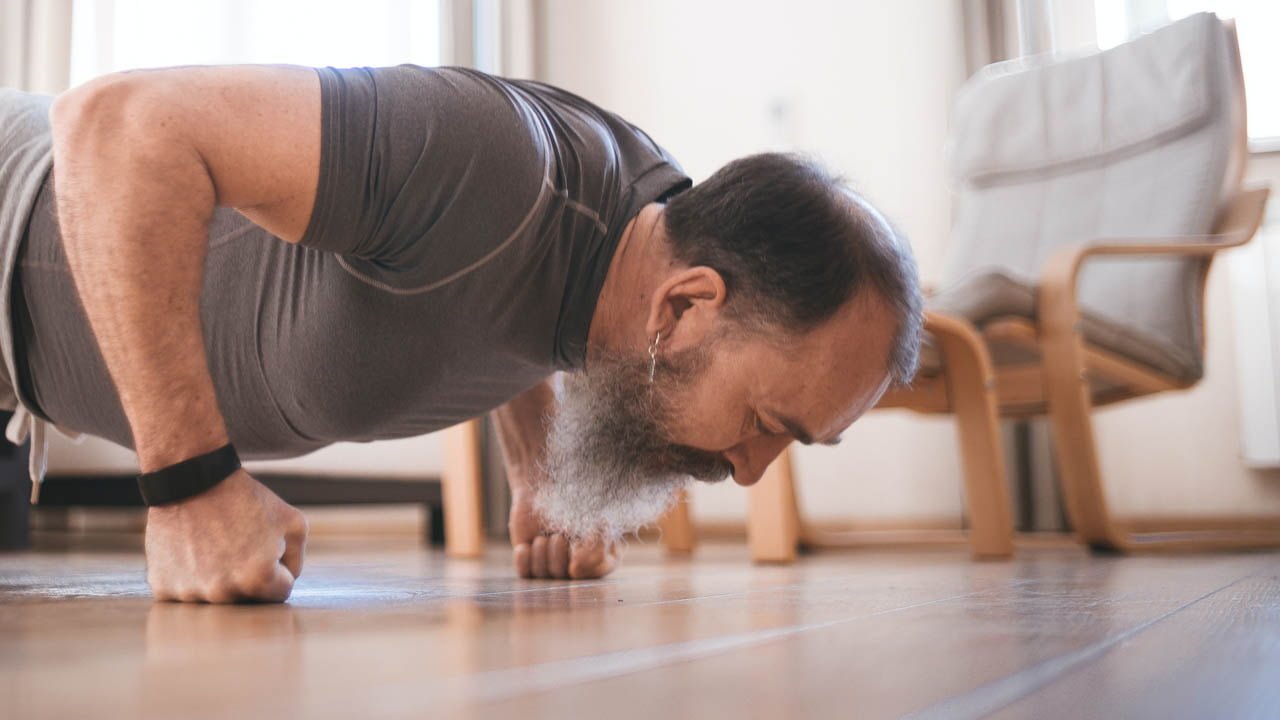
Let's be honest. The image of a senior exercising used to be a grainy VHS tape of someone in neon spandex doing side-taps. It was cheesy. It felt "othering." But things have changed. Now, you’ve got millions of people over 60 flooding the digital space, looking for YouTube exercises for seniors that actually respect their joints and their intelligence. It’s a wild west out there. You have everything from world-class physical therapists to random influencers who probably shouldn't be giving medical advice.
The barrier to entry is gone. That’s both a blessing and a bit of a nightmare.
You see, the "senior" demographic isn't a monolith. A 65-year-old marathoner has different needs than an 82-year-old recovering from a hip replacement. Yet, the search results often lump them together. If you just type in "senior workout," you might get something too easy—or something that'll put your back out. It’s about nuance. It’s about finding the instructors who understand the bio-mechanics of an aging body without treating you like you’re made of glass.
Why Your Living Room is the New Longevity Lab
The science is pretty clear. Sarcopenia—the fancy word for age-related muscle loss—starts hitting hard if you aren't careful. According to the National Institute on Aging, strength training is basically the "fountain of youth" for maintaining independence. But gyms can be intimidating. They’re loud. They’re expensive.
Enter the tablet or the Smart TV.
Using YouTube exercises for seniors isn't just about saving twenty bucks a month on a YMCA membership. It’s about privacy. It’s about hitting pause when you need a glass of water or when your knees start clicking in a way that feels "off." You’re in control. But you have to know who to trust. Not everyone with a ring light knows how to cue a squat for someone with osteoarthritis.
The Channels That Actually Know Their Stuff
If you’re looking for high-quality instruction, a few names consistently rise to the top of the pile. HasFit is a big one. Coach Joshua and Claudia do a fantastic job because Claudia often demonstrates the modified, seated versions of the moves. It’s that visual "side-by-side" that helps. You aren't guessing.
Then there’s Bob & Brad. They call themselves the "most famous physical therapists on the internet." They’re goofy. They have a bit of a "dad joke" energy that some people find endearing and others find... well, a bit much. But their clinical knowledge is top-tier. When they talk about sciatica or rotator cuff issues, they’re coming from a place of medical evidence, not just fitness trends.
And we can't forget Yoga with Adriene. While not specifically "for seniors," her "Yoga for Seniors" or "Gentle Yoga" sessions are legendary. She emphasizes "finding what feels good," which is a vital philosophy when you’re dealing with a body that has a few decades of wear and tear.
The Dark Side of DIY Fitness
We need to talk about the risks. Honestly, the biggest problem with YouTube exercises for seniors is the lack of feedback. In a class, an instructor tells you your back is rounding. On YouTube, you’re just staring at a screen. If your form is bad, you’re just reinforcing a bad pattern that could lead to an injury.
Proprioception—your brain's awareness of where your body is in space—dims a bit as we age. You might think your back is flat, but it’s actually curved like a C. This is why I always tell people to set up a mirror next to the TV. Watch yourself. Compare your silhouette to the person on the screen. It feels vain, but it’s actually a safety measure.
Another thing? The "No Pain, No Gain" lie. That's garbage. Especially for us. If it hurts in a sharp, electric, or stabbing way, stop immediately. Muscle fatigue—that "burn"—is fine. Sharp joint pain is a massive red flag.
Balance: The Metric That Actually Matters
Forget about six-pack abs. Nobody cares about that at 70. What matters is balance. Falls are the leading cause of injury-related deaths for those over 65, according to the CDC.
So, when you’re looking for YouTube exercises for seniors, prioritize the ones that mention "proprioception" or "vestibular health." Look for movements that involve standing on one leg (with a chair nearby!) or shifting weight. The SeniorShape Fitness channel is excellent for this. Lauren has a very calm, methodical approach to balance that doesn't feel rushed. She understands that your equilibrium might be a little wonky some mornings.
Making it Stick (Without Hating Life)
The hardest part isn't finding the video. It’s clicking "play" on Tuesday morning when you’d rather just have another cup of coffee. Habits are brittle.
I’ve found that the "two-minute rule" works wonders. Tell yourself you’ll only do two minutes of the video. Usually, once you start moving and the blood gets flowing, you’ll finish the whole fifteen or twenty minutes. And if you don't? Fine. Two minutes of stretching is better than zero minutes of sitting.
Mix it up. Don't just do the same "Low Impact Cardio" video five days a week. Your brain needs novelty just as much as your muscles do. Do yoga on Monday, strength on Wednesday, and maybe some Tai Chi on Friday. Taiflow is a great channel for the latter; it’s basically moving meditation. It’s great for the nervous system.
Equipment: You Don't Need a Home Gym
Don't let the "suggested products" in the video descriptions fool you. You don't need a $500 set of adjustable dumbbells. Two cans of soup work. A sturdy kitchen chair is better than a specialized workout bench most of the time. Resistance bands are probably the best investment you can make—they’re cheap, they don’t take up space, and they provide "linear variable resistance," which is much kinder to your elbows and shoulders than heavy weights.
Specific Recommendations Based on Real Needs
It’s easy to get overwhelmed by the sheer volume of content. To narrow it down, you have to identify your "why."
- For Bone Density: Look for "Weight-Bearing" or "Resistance Training." You need some impact or some resistance to signal to your bones to stay strong.
- For Heart Health: "Aerobic" or "Low Impact Cardio." Look for videos that get your heart rate up without jumping. Avoid anything with "burpees" or "box jumps" unless you’re already an elite athlete.
- For Flexibility: "Chair Yoga" or "Silver Sneakers" routines. These are designed for people who might have trouble getting down on the floor—and more importantly, getting back up.
The "getting back up" part is a real skill. Some instructors actually teach "floor transitions." If you find a video on how to safely get up from the floor, watch it. Practice it. It’s probably the most "functional" fitness move you’ll ever learn.
A Quick Word on "SilverSneakers"
You've probably heard the name. It’s a massive program, often covered by Medicare Advantage plans. Their YouTube channel is a goldmine. It’s very "official," but that’s not a bad thing. It means the movements have been vetted. They have a "Safety First" approach that is incredibly reassuring for beginners.
Navigating the Tech Side
Let's talk about the logistics. If you're watching on a tiny phone screen, you're going to strain your neck. That defeats the purpose. If you can, "cast" the video to your TV. Most modern TVs have a YouTube app built-in. Use it.
Turn on the captions if the music is too loud. Sometimes these creators use royalty-free music that’s a bit... aggressive. Seeing the instructions written out helps you stay in sync even if you can't hear every word over the thumping bass of a generic techno track.
The Nuance of Aging
We have to acknowledge that some days, your body just says "no." Chronic conditions like rheumatoid arthritis or fibromyalgia aren't consistent. One day you’re a rockstar; the next, you’re stiff as a board.
The best YouTube exercises for seniors are the ones that offer "regressions." A good instructor will say, "If this hurts your shoulder, just keep your arms at your waist." If they don't offer those alternatives, they aren't an expert in senior fitness. They’re just a fitness person who happens to be filming a senior video. There’s a massive difference.
Actionable Steps for Starting Today
Don't spend three hours "researching" channels. That’s just procrastination dressed up as being prepared.
- Clear a 5x5 foot space. Move the coffee table. Make sure there are no throw rugs you can trip on. This is non-negotiable. Rugs are the enemy.
- Pick one 10-minute video. Not thirty. Not an hour. Ten minutes.
- Wear real shoes. Even if you’re at home. Barefoot is fine for yoga, but for cardio or strength, you need the lateral support of a good pair of sneakers.
- Have a "safety chair" nearby. Even if the workout is a standing one, have a heavy chair within arm’s reach in case you lose your balance.
- Track how you feel 24 hours later. If you’re a little sore, great. If you can’t walk, you went too hard. Dial it back next time.
Fitness in your 60s, 70s, and beyond isn't about looking a certain way. It’s about being able to lift your own groceries. It’s about playing with grandkids without throwing out your back. It’s about being able to get out of a car without making that "ungh" sound. YouTube is just a tool to get you there. Use it wisely, watch your form, and don't be afraid to click away from an instructor who doesn't feel right for you. You're the boss of your own health.
/i.s3.glbimg.com/v1/AUTH_08fbf48bc0524877943fe86e43087e7a/internal_photos/bs/2025/H/e/ewwgKCQCSopdUJUwy6DA/imagem-2025-04-27-114802986.png)


