The lake, it is said, never gives up her dead when the gales of November come early. You probably sang those words in a middle school choir or heard them crackling on a classic rock station while driving through a rainy November afternoon. It’s haunting. But honestly, if you look at YouTube and the Edmund Fitzgerald, you’ll realize the lake isn't the only thing holding onto the "Mighty Fitz." The internet is obsessed with it.
On November 10, 1975, the SS Edmund Fitzgerald vanished into Lake Superior. No distress signal. No survivors. Just 29 souls gone into the churning black water near Whitefish Point. It should have been a footnote in maritime history, one of hundreds of wrecks littering the Great Lakes. Instead, thanks to a folk singer and a relentless surge of digital creators, it has become the most documented, analyzed, and "algorithm-friendly" disaster in American history.
Every year, like clockwork, the views spike. New videos appear. Why?
The Gordon Lightfoot Effect and the Digital Resurrection
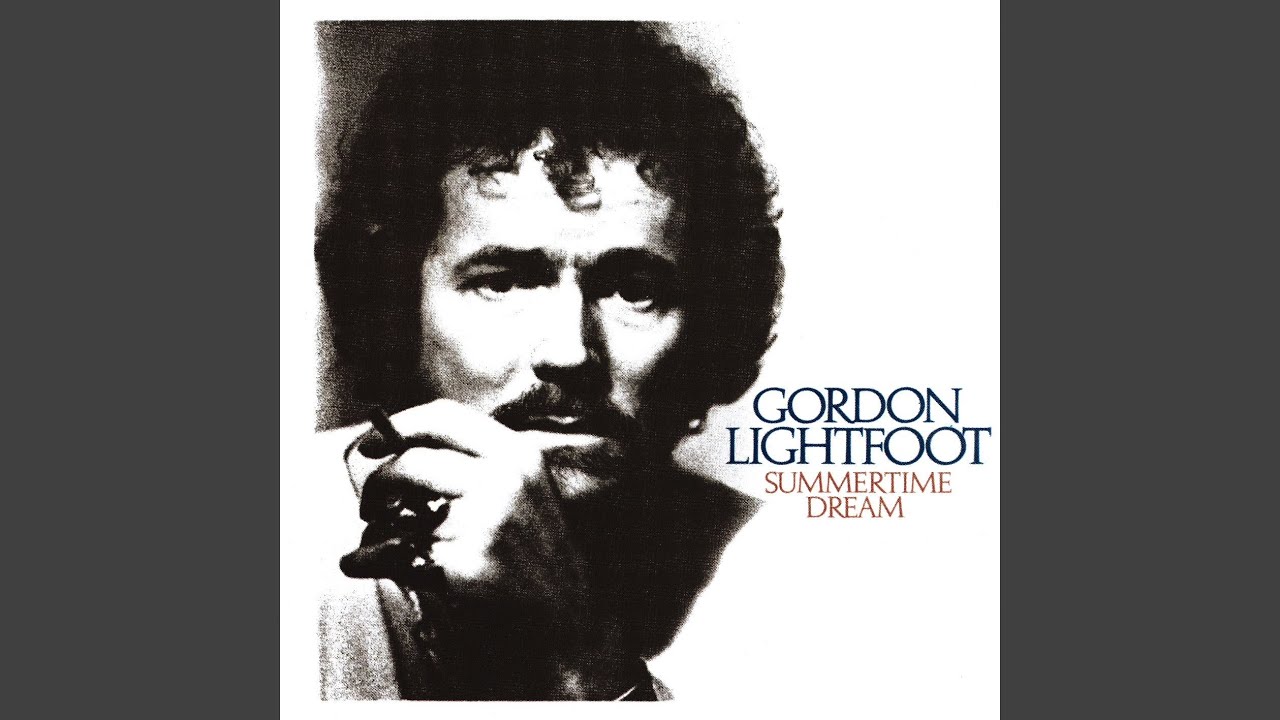
You can't talk about YouTube and the Edmund Fitzgerald without talking about Gordon Lightfoot. His 1976 hit basically wrote the script for how we remember the tragedy. It’s a six-minute epic that feels more like a documentary than a song. On YouTube, the official audio and various fan-made lyric videos have racked up tens of millions of views.
But it’s more than just the music.
Content creators have realized that the song provides a perfect narrative structure for "storytime" style videos. You’ll see creators like Caitlin Doughty (Ask a Mortician) or historical channels like OceanLinerDesigns using the lyrics as a framework to explain the sheer physics of what happened. They aren't just playing the song; they're dissecting the "three sisters" wave theory and the structural failures of 1970s ore carriers. It’s a weirdly specific niche where maritime engineering meets folk music nostalgia.
There is something deeply human about the comments sections on these videos. You’ll find grandchildren of the crew members sharing anecdotes. You’ll see retired sailors from the Great Lakes shipping industry arguing about whether the hatches were properly bolted. It’s a living archive. Most shipwrecks are forgotten, buried in PDFs and old library books. The Fitzgerald, however, stays afloat on the YouTube homepage because it bridges the gap between those who remember the 70s and Gen Z viewers who love a good "unsolved mystery" vibe.
Why the Mystery Still Dominates the Algorithm
People love a puzzle that can’t be solved. That’s the fuel for YouTube and the Edmund Fitzgerald content. Since the wreck sits in two pieces in 530 feet of water, and because there was no "Mayday" call, the "why" remains elusive.
Was it the Shoal of Six Fathom? Did the ship scrape the bottom near Caribou Island and slowly take on water? Or was it the "Three Sisters"—a legendary series of three massive waves that hit the ship in quick succession, burying the bow before it could recover?
If you spend three hours down a YouTube rabbit hole, you’ll see some pretty wild theories. Some are grounded in the official NTSB and Coast Guard reports, which differ significantly in their conclusions. The Coast Guard leaned toward the idea that the crew didn't secure the cargo hatches correctly. The Lake Carriers' Association took offense to that, suggesting the ship hit a reef.
- The Dive Footage: Some of the most-watched videos are the grainy, eerie underwater shots from the 1980s and 90s ROV (Remotely Operated Vehicle) missions. Seeing the "Edmund Fitzgerald" nameplate on the stern, upside down in the mud, hits differently than a drawing.
- The Bell Recovery: In 1995, the ship’s bell was recovered to serve as a memorial. The footage of that expedition is a staple of historical YouTube. It’s somber, respectful, and incredibly effective at keeping the story "current."
- Weather Simulations: Modern meteorologists on YouTube use 1975 data to recreate the "Perfect Storm" of that night. Seeing a digital 3D model of the Fitz struggling in 25-foot waves helps people grasp the scale. 50-year-old data turned into 4K rendering is exactly what the YouTube algorithm thrives on.
The Ethics of Shipwreck Content
Honestly, it gets a bit murky. There’s a fine line between historical preservation and "disaster porn." The families of the 29 men lost have often asked for the wreck to be left alone. In fact, it's now legally protected as a gravesite. You can't just go down there and poke around anymore.
YouTube creators have to navigate this. The best ones—the ones who rank well and get the "Discover" clicks—are the ones who lead with empathy. They focus on the names of the men, like Captain Ernest McSorley or the young deckhands. They don't treat it like a movie; they treat it like a funeral.
The "Top 10 Scariest Shipwrecks" type of channels often get the facts wrong. They’ll use photos of the Titanic or the Costa Concordia as clickbait thumbnails. It’s annoying. If you’re looking for the real story of the YouTube and the Edmund Fitzgerald connection, look for the channels that cite the 1977 Marine Board of Investigation report. The nuances matter. For example, did you know the Fitz was the largest ship on the Great Lakes when she was launched? She was the "Queen of the Lakes." That fall from grace is what makes the story so tragic.
Real Technical Details Most Videos Miss
When you’re watching these videos, keep an eye out for the mention of "Winter Load Lines." In 1969, 1971, and 1973, regulations were changed to allow ships like the Fitzgerald to sit deeper in the water with more cargo. This meant less freeboard (the distance from the waterline to the deck).
When the storm hit, she was carrying over 26,000 tons of taconite pellets. If the ship was already sitting low due to deregulation, those massive waves had an easier time sweeping over the deck and finding their way into any opening.
Also, the "Lost Radar." One of the most tense parts of the story—and a highlight of many YouTube documentaries—is the radio chatter from the Arthur M. Anderson, the ship that was trailing the Fitz. Captain Bernie Cooper of the Anderson basically "guided" the Fitz through the storm because the Fitzgerald’s radars had both failed. Imagine steering a 729-foot steel giant through a hurricane-force blizzard with no eyes.
How to Find the Best "Mighty Fitz" Content
If you want to actually learn something rather than just getting spooked, look for these specific things in a video description:
- Direct Quotes from the Anderson: The radio logs are public. If the creator uses the actual transcripts ("I have a bad check, we are taking heavy seas over the deck"), it’s usually high quality.
- Great Lakes Shipwreck Historical Society (GLSHS): Any content featuring their archives or interviews with their historians is gold standard.
- Hydrographic Surveys: Videos that show the actual bathymetry of the lake floor near Caribou Island.
It’s easy to get lost in the "ghost ship" tropes. But the reality is much scarier. It was a mechanical failure, a weather anomaly, and a series of unfortunate decisions. It was real people.
Actionable Insights for the Curious
If this story has hooked you through a YouTube recommendation, don’t just stop at the videos. There are better ways to honor the history and understand the tragedy.
- Visit the Memorial: If you’re ever in Michigan, go to the Great Lakes Shipwreck Museum at Whitefish Point. They have the actual bell. It’s quiet there. You can feel the weight of the water.
- Read the Reports: Don't take a YouTuber's word for it. Search for the "NTSB-MAR-78-1" report. It’s a dense read, but it lays out exactly how the government thinks the ship sank.
- Support Maritime Preservation: Many of the channels producing high-quality YouTube and the Edmund Fitzgerald content are linked to non-profits. If you value the history, consider supporting the museums that keep these records alive.
- Check the Weather: Use sites like "Windy" or NOAA archives during November. Compare modern Great Lakes storms to the 1975 data. It will give you a terrifying perspective on what 70-knot winds actually look like on a confined body of water.
The Edmund Fitzgerald remains a legend because it represents the moment our modern technology was humbled by something much older and more powerful. YouTube just happens to be the best campfire we have to sit around and tell the story. The "Big Lake" might not give up her dead, but the internet isn't going to let the memory of the 29 men fade anytime soon.