It finally happened. After years of speculation and heated congressional hearings, YouTube admits the Biden administration pressured them to censor Americans, and the details are messy. We aren't just talking about a few polite emails from the White House. We're talking about what Alphabet—Google’s parent company—now describes as a "sustained" and "unacceptable" campaign to scrub specific content from the internet.
The Letter That Changed Everything
In September 2025, a five-page letter from Alphabet landed on the desk of House Judiciary Committee Chairman Jim Jordan. It was a bombshell. For a long time, the narrative was that tech giants were just "doing their jobs" to keep people safe. This letter flipped that. Alphabet’s lawyers admitted that senior Biden administration officials basically lived in their metaphorical inbox, pushing the platform to yank user-generated content that didn't even violate YouTube’s own rules. You might also find this related story interesting: The Great Northern Bargain and the Quiet Sound of Sovereignty.
Think about that for a second.
You have a private company with its own set of community guidelines. Then you have the most powerful government on earth telling them those guidelines aren't enough. They wanted more. They wanted specific people gone. As extensively documented in detailed reports by The New York Times, the effects are significant.
"Unacceptable and Wrong"
The language in the admission was surprisingly blunt. Alphabet stated that the Biden administration "created a political atmosphere" designed to force the platform’s hand. They literally called the government's behavior "unacceptable and wrong." This isn't just corporate speak; it’s a massive pivot from a company that spent years defending its moderation practices as independent.
The pressure wasn't just about "misinformation" in a general sense. It was targeted. The administration was particularly obsessed with COVID-19 and election integrity. Officials were apparently frustrated when YouTube didn't move fast enough to silence certain voices.
Who was getting the boot?
The fallout from this "atmosphere" led to the permanent banning of some massive accounts. We’re talking about figures who command millions of views:
- Dan Bongino: A former Secret Service agent and conservative firebrand.
- Sebastian Gorka: A former White House aide.
- Steve Bannon: Whose "War Room" podcast was a major hub for election skepticism.
- Robert F. Kennedy Jr.: Specifically, his nonprofit, Children’s Health Defense.
Jawboning: The Government's Favorite New Tool
There’s a term for this that legal scholars love to throw around: jawboning. It’s basically when the government uses its "bully pulpit" to pressure private companies into doing things the government isn't allowed to do itself. The First Amendment stops the government from censoring you. But if the government "suggests" that a private company like YouTube should censor you—perhaps with a side of "nice antitrust immunity you have there, shame if something happened to it"—that’s a gray area.
Or at least, it was.
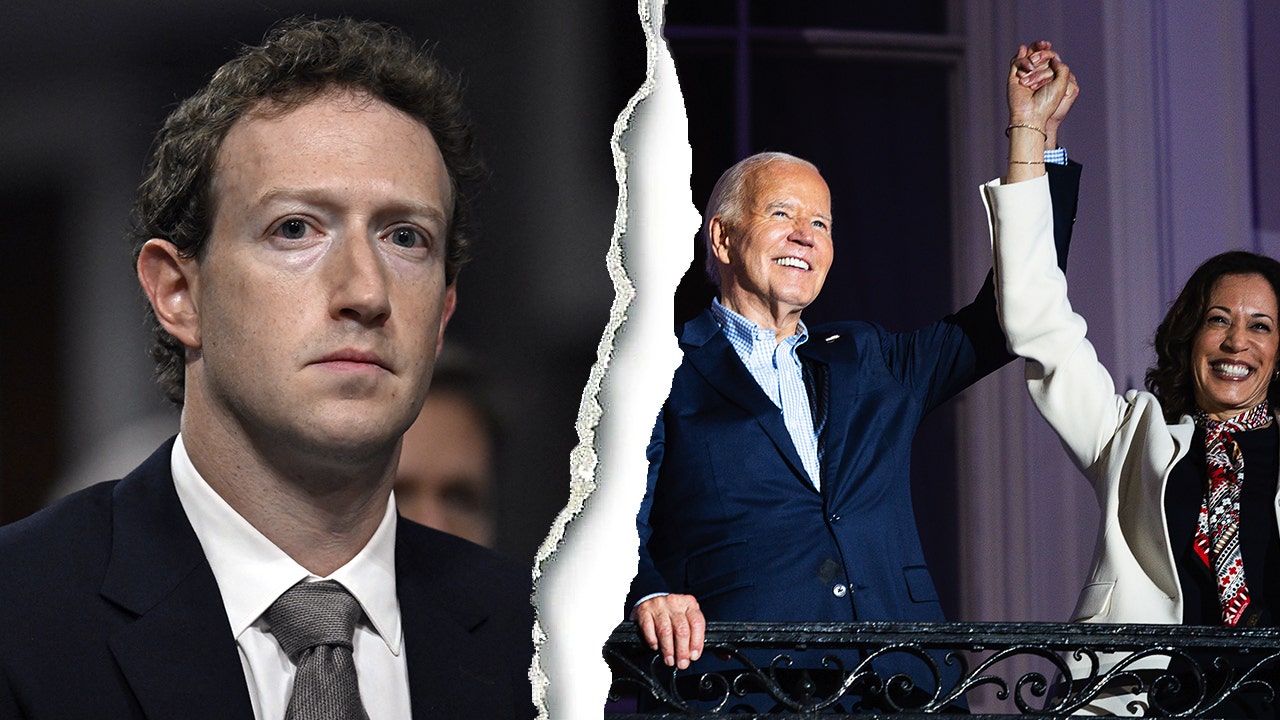
The Alphabet admission suggests the gray area was actually a very dark shade of "do what we say." This follows a similar admission from Meta CEO Mark Zuckerberg in 2024. Zuckerberg told the same committee that the White House "repeatedly pressured" his teams for months to censor COVID-19 content, including humor and satire. Yes, they were literally trying to ban memes.
What’s Changing Now?
Now that the cat is out of the bag, YouTube is trying to make amends. Sorta. They’ve announced a "pilot program" to reinstate accounts that were banned under these old policies. If you were kicked off for "COVID-19 misinformation" or "election integrity violations" that are no longer on the books, you might actually get your channel back.
But it’s not an overnight process.
Alphabet says they are committed to "political debate" again. They’ve also vowed not to empower third-party fact-checkers to take action on content. That’s a huge win for people who felt those "fact-check" labels were just a tool for ideological suppression.
The Reality Check
Look, it’s easy to get lost in the "censorship" headlines, but there’s a nuance here. YouTube is still a private company. They still have the right to kick people off for being jerks or breaking the law. The issue here—the part that has everyone from the ACLU to the House Judiciary Committee fired up—is the coercion.
When the government uses a private company as a proxy to bypass the Bill of Rights, the whole system breaks. We saw it with the Twitter Files, we saw it with Zuckerberg’s letter, and now we see it with the admission that YouTube admits the Biden administration pressured them to censor Americans.
Actionable Next Steps for Creators and Users
The landscape of the internet is shifting back toward a more open (and chaotic) model of free speech. Here is how you should navigate this new "post-censorship" era:
- Check Your Status: If you had a channel or account banned between 2021 and 2024 for COVID-related content, look for the new Alphabet pilot program. You may be eligible for reinstatement.
- Diversify Your Platforms: Don't put all your eggs in one basket. Even with these admissions, these platforms are still beholden to whoever holds the levers of power. Use decentralized or alternative video platforms like Rumble or Odysee alongside YouTube.
- Document Everything: If you receive a strike or a takedown notice that feels political, keep the records. Congressional oversight is currently very active, and these documents are becoming the "receipts" for future legal action.
- Stay Informed on "Jawboning" Legislation: Keep an eye on the Protecting Speech from Government Interference Act. This is the legislative push to make it illegal for federal employees to "suggest" censorship to tech companies.
The fight over the digital town square is far from over. In fact, with the FTC now launching inquiries into how these platforms "degrade" user access based on speech, it’s probably just getting started. One thing is certain: the era of "we’re just moderating for safety" is officially dead. It was political, it was pressured, and now, it's public.