So, your kid took a hard hit on the field. Maybe it was a "bell-ringer" in soccer or a blindside tackle in football. For years, the standard playbook was simple: dark room, no screens, and total silence for a week.
Honestly? That’s not how we do things anymore.
Recent youth sports concussion news from 2025 and 2026 suggests that the old-school "cocoon therapy" might actually be making kids feel worse. If you’re a parent or a coach, you've probably noticed that the rules are shifting under your feet. It’s no longer just about waiting for a headache to vanish; it’s about a very specific, active way to get that brain back on track.
The "Dark Room" Myth Is Officially Dead
The biggest shift in the last year has been the move toward early, light activity. Experts like Dr. Brian Kim from UCI Health are now pointing out that staying in a dark room for days can lead to isolation and even depression. It turns out, brains actually need a little bit of stimulation to heal.
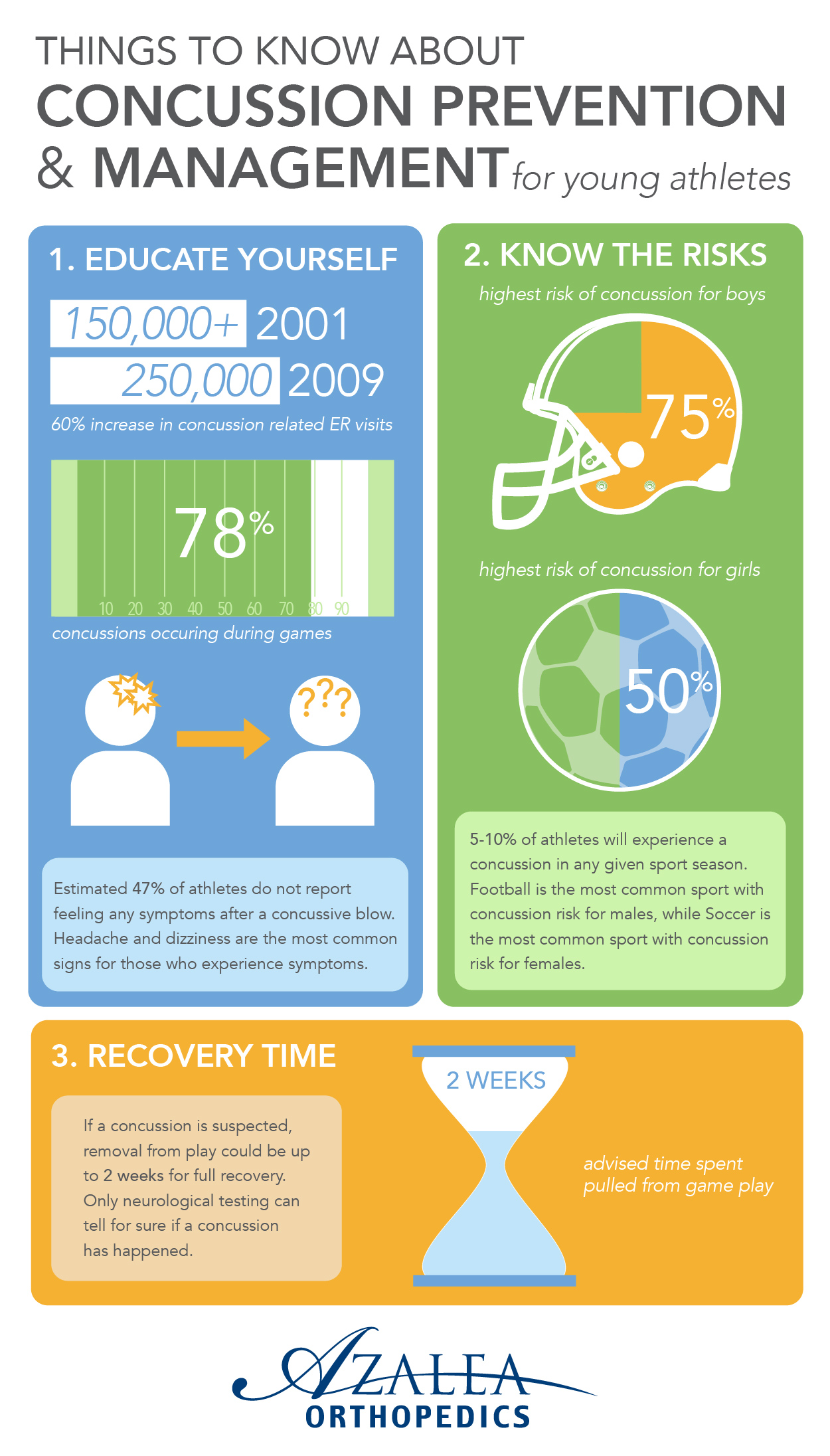
Basically, the "rest" period has shrunk to about 24 to 48 hours. After that? Doctors want kids moving. We’re talking light walks or using a stationary bike as early as two days post-injury. If the activity doesn't make the symptoms significantly worse, it’s actually helping the brain recalibrate.
Soccer's "Header" Policy Is Actually Working
We’ve finally got enough data to see if those heading bans for younger kids are doing anything. A major study presented at the 2025 American Academy of Orthopaedic Surgeons (AAOS) annual meeting showed a 25.6% drop in soccer-related concussions compared to a decade ago.
But there’s a catch.
Girls are still being diagnosed with concussions at much higher rates than boys. In soccer, about 9.6% of injuries for girls are concussions, compared to only 6.2% for boys. Why? Some experts think it’s a neck strength thing, while others argue that girls are just more honest about reporting when they don't feel right.
Technology Is Getting... Weird (In a Good Way)
You might have heard of "smart helmets," but those are usually too expensive for a local Pee-Wee league. The real news in 2026 is the development of low-cost sensors.
There’s a team at the University of North Florida that recently developed a "passive fluidic sensor." It sounds fancy, but it’s basically a low-cost sticker or bandage that detects sudden head acceleration. No batteries, no expensive electronics. Just a simple way for a coach on a budget to know if a hit was hard enough to warrant a benching.
Meanwhile, AI-based tools are now being used in about 30% of concussion management cases. These tools help doctors compare a kid’s current brain function against "normative" data, even if the kid didn't have a baseline test before the season started.
The Return-to-Learn Struggle
If you think getting back on the field is hard, try getting back to Algebra II. The "Return to Learn" protocol is now considered just as important as the physical stuff.
New legislation, like New York's S5499A (the Concussion Management and Awareness Improvement Act of 2025), is pushing schools to be more formal about this. It’s not just "take a day off." Schools are now being asked to provide:
- Half-days for the first week.
- Exemption from standardized testing.
- "Brain breaks" every 30 minutes.
- No PE or loud music classes.
The logic is that a brain trying to process a loud cafeteria or a complex math equation is a brain that isn't focusing on repairing its own neurons.
What the Law Says Right Now
In 2026, all 50 states have concussion laws, but they aren't all the same. Alabama and Alaska, for example, have strictly mandated that any athlete suspected of a concussion must be removed immediately.
"When in doubt, sit them out" isn't just a catchy phrase; in many states, it’s the legal standard. If a coach lets a kid back in without a written sign-off from a licensed medical professional, they're looking at massive liability.
Interestingly, Arizona and South Carolina have slightly different tweaks where a kid could return the same day if a pro clears them, but honestly? Most doctors think that's risky business. Most recovery protocols (like the ones from the CDC's HEADS UP program) still insist on a 6-step progression that takes at least a week.
Actionable Steps for Parents and Coaches
If a hit happens this weekend, don't panic. But don't ignore it either.
- The 48-Hour Window: Limit screens (phones, gaming, TV) for the first two days. This is the only time the "dark room" logic applies.
- The Walking Test: After 48 hours, try a 10-minute walk. If the headache doesn't spike, keep going the next day.
- School Before Sports: They must be able to handle a full day of classes without a headache before they even think about putting on a jersey.
- Watch the "Vitals": Keep an eye on sleep and mood. If your kid is suddenly acting like a completely different person—super irritable or crying for no reason—that’s the brain injury talking.
- Seek Specialists Early: If symptoms last longer than two weeks, skip the general practitioner and go straight to a concussion clinic. New research shows that early physical therapy (vestibular therapy) can cut recovery time in half.
The landscape is changing fast. We used to treat concussions like a "bruise" that just needed time. Now, we treat them like a physical therapy project. It takes work, it takes a plan, and it takes a lot of patience.
Summary of New Standards (2025-2026)
- Early Movement: Light aerobic activity is now recommended 48 hours after injury.
- Gender Gap: Female athletes remain at higher risk and often require longer recovery times.
- Low-Cost Tech: New fluid-based sensors are making head-impact monitoring accessible for youth leagues.
- Legal Updates: More states are requiring "Return to Learn" accommodations, not just "Return to Play."
- No More Baselines: While still useful, many experts say "normative" AI data is now accurate enough to diagnose concussions without a pre-season test.
/i.s3.glbimg.com/v1/AUTH_08fbf48bc0524877943fe86e43087e7a/internal_photos/bs/2025/H/e/ewwgKCQCSopdUJUwy6DA/imagem-2025-04-27-114802986.png)


