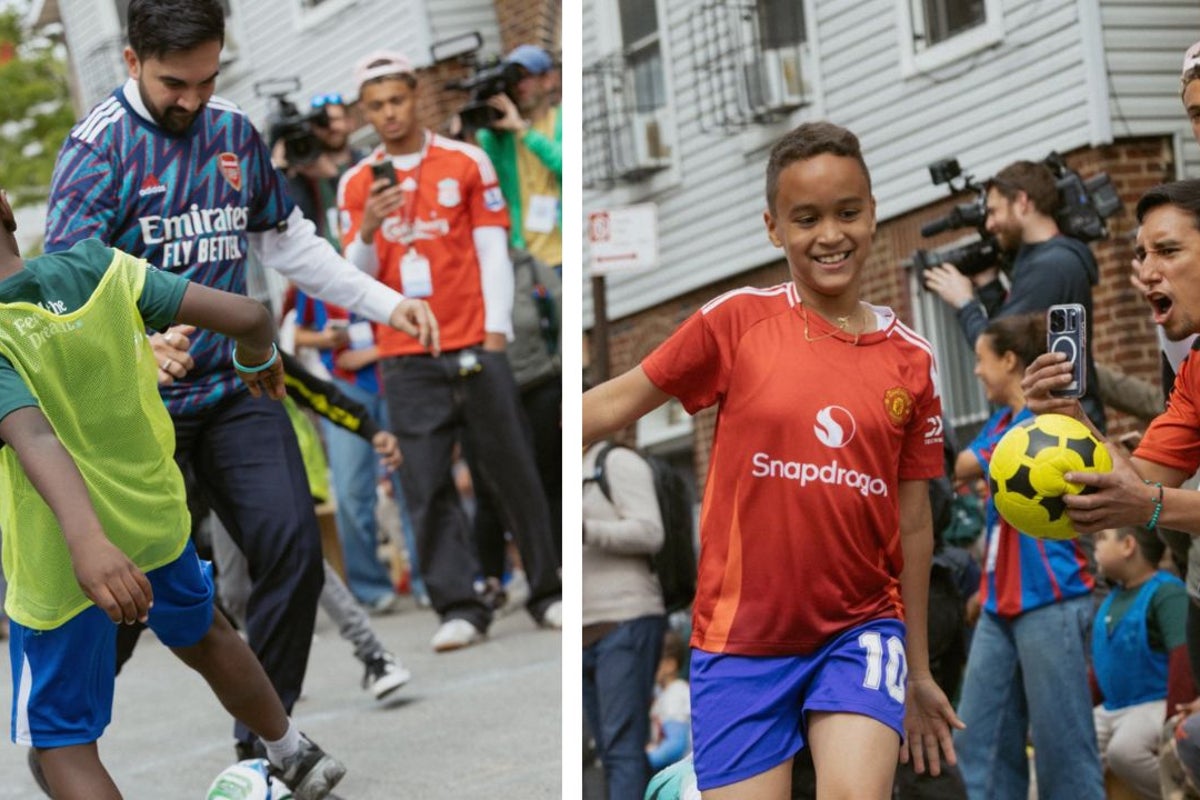
It starts with a lawn chair. Then, it's a yell. Before you know it, you’re that person—the one arguing with a nineteen-year-old referee over an offside call in a U-10 soccer match. We've all seen it. Honestly, many of us have been it. Youth sports and parental involvement used to be about orange slices and carpools, but the landscape has shifted into something much more intense, expensive, and, frankly, exhausting for the kids involved.
The stakes feel higher now. Parents aren't just fans; they're investors. When you’re dropping $5,000 a year on travel baseball, private coaching, and tournament fees in flickering hotels, it’s hard not to expect a "return." But that pressure is backfiring. Big time.
The Professionalization of Play
We are currently living through the "professionalization" of childhood. Data from the Aspen Institute’s Project Play shows a staggering trend: kids are quitting organized sports by age 11. Why? Because it isn't fun anymore. The primary driver cited is often "pressure," much of it emanating from the sidelines.
It’s a weird paradox. You want the best for your kid. You see talent, or maybe just potential, and you want to nurture it. So, you sign them up for the "Elite" or "Select" team. But specialization—playing one sport year-round—is actually linked to higher injury rates and quicker burnout. Dr. James Andrews, a world-renowned orthopedic surgeon, has frequently spoken out about the "epidemic" of Tommy John surgeries in high schoolers. These are injuries that used to be reserved for 30-year-old MLB pitchers. We're overworking growing bodies because we’re afraid they’ll "fall behind."
The "Scholarship Myth" is Killing the Vibe
Let’s talk numbers. This is the part people usually ignore because the dream is so seductive. According to the NCAA, only about 7% of high school athletes go on to play in college. A tiny 2% play at the Division I level.
If you’re looking at youth sports and parental involvement as a financial strategy for college tuition, the math just doesn't check out. Most families would actually save more money by putting those travel-team fees into a 529 college savings plan. Yet, the "scholarship chase" remains the primary justification for the 6:00 AM weekend drives to remote sports complexes.
It changes the dynamic. When the game becomes a "job" or a "pathway," the joy of a diving catch or a buzzer-beater is replaced by the anxiety of performance. Kids can feel that. They see the frustration on your face when they strike out. They hear the critique in the car on the way home—the "Ride Home" is famously the most hated part of the week for many young athletes.
Sideline Behavior and the Official Shortage
There’s a massive crisis in youth sports right now that nobody wants to take responsibility for: we are running out of referees. The National Association of Sports Officials (NASO) has reported that roughly 80% of new officials quit within the first two years.
The reason? Verbal abuse from parents.
It’s getting ugly. You’ve probably seen the viral videos of parents brawling at hockey rinks or screaming at teenage volleyball refs. This behavior doesn't just embarrass the kids; it dismantles the infrastructure of the sport. If there are no refs, there are no games. It’s that simple. We’re literally yelling the games out of existence.
What "Good" Involvement Actually Looks Like
It isn't about being silent. It’s about being supportive without being "technical." Research from the University of Kansas suggests that children whose parents provide "autonomy support"—meaning they let the kid lead the interest and the effort—report higher levels of satisfaction and longer-term participation.
- Stop coaching from the fence. When you yell "Shoot!" or "Pass!", you’re creating cognitive dissonance. The kid has a coach. They’re trying to listen to that coach. When you yell something else, they freeze.
- The "I love to watch you play" rule. This is the gold standard. Sport psychologists often recommend this as the only thing you say after a game. No "Why didn't you hit the cutoff man?" Just: "I loved watching you play today."
- Check your ego at the gate. Ask yourself: Am I upset because they lost, or am I upset because I feel like a loser when they lose?
The Mental Health Component
We’ve seen a spike in anxiety among adolescents, and the high-pressure environment of competitive sports is a contributing factor. The American Academy of Pediatrics (AAP) updated its clinical report on burnout in 2024, emphasizing that "success" should be defined by personal growth and physical literacy, not trophies.
When a child's identity is tied solely to their performance on the field, their self-worth becomes volatile. A bad game isn't just a bad game; it’s a personal failure. Youth sports and parental involvement must pivot back toward building resilience. Resilience isn't built by winning every tournament; it's built by losing, feeling the sting, and deciding to practice anyway because you love the game.
Rethinking the "Elite" Pipeline
Is your kid actually enjoying the 12-month grind? Honestly, most aren't.
Multi-sport participation is actually the secret sauce. Athletes like Patrick Mahomes and Roger Federer played multiple sports well into their teens. It builds different muscle groups, prevents overuse injuries, and keeps the brain engaged. More importantly, it prevents the sport from becoming a chore. If your child wants to take a season off to try theater or just ride their bike, let them. The world won't end. They won't "lose their spot" in the grand scheme of life.
Real-World Steps for a Better Experience
If you want to fix the culture, start with your own household. It’s easier than you think, but it requires a bit of a "ego detox."
- Observe a "No Sports Talk" zone. Make the car ride home about anything else. Music, dinner, that weird TikTok they saw—anything but the game.
- Volunteer, but don't overreach. Be the team parent who handles the snacks or the logistics, rather than the one trying to influence the starting lineup.
- Model emotional regulation. If you see a bad call, shrug. If you see your kid make a mistake, clap. Show them that a mistake is a data point, not a disaster.
- Demand better from your club. If your travel team is practicing five nights a week for ten-year-olds, speak up. There’s power in numbers. Other parents likely feel the same way but are too afraid to be the "weak link."
The Long Game
At the end of the day, sports are a laboratory for life. They teach how to deal with an unfair boss (a bad ref), how to work with a lazy colleague (a teammate who doesn't hustle), and how to bounce back from a project that tanked (a loss).
If we intervene too much, we rob them of those lessons. We turn the laboratory into a stage where they are just performing for our approval.
True youth sports and parental involvement means being the safety net, not the director. It means standing back far enough that they can fail, but close enough that they know you’re still there when they do. The goal shouldn't be a trophy or a scholarship. The goal is a 30-year-old who still likes to go for a run or play pickup basketball because they never learned to hate the movement.
Actionable Next Steps:
- Audit the Schedule: Sit down with your child this week and ask, "On a scale of 1 to 10, how much fun are you having?" If the answer is below a 7, it's time to prune the commitments.
- The "Quiet Sideline" Experiment: Go to the next game and commit to saying nothing but "Good job" or "Let's go [Team Name]." Notice how much more you actually see of the game when you aren't busy narrating it.
- Diversify Interests: Ensure your child has at least one hobby that has absolutely nothing to do with physical competition. It keeps their identity balanced.