Soccer season hits fast. One minute you're buying orange slices, and the next, you're wrestling a sweaty seven-year-old into gear that doesn't seem to fit quite right. If you’ve ever watched your kid spend half the game pulling up their socks or adjusting a plastic plate that’s slipped down to their ankle, you know the struggle. It’s annoying. Actually, it’s more than annoying—it's a safety issue.
Youth shin guard sleeves are supposed to fix this. They’re basically compression tubes designed to lock that protective guard against the leg so it doesn't budge during a slide tackle or a messy scramble for the ball. But here’s the thing: most people treat them like an afterthought. They buy the cheapest pair at the big-box store and wonder why their kid is complaining about "itchy legs" by the second quarter.
The reality is that the right sleeve changes the entire experience of the game. It’s the difference between a kid who’s focused on the goal and a kid who’s distracted by gear that feels like a torture device.
The Physics of Why Your Kid’s Guards Keep Sliding
Gravity is a jerk. When a child runs, their leg muscles contract and expand rapidly. This vibration, combined with the weight of a standard plastic shin guard, naturally pulls the gear downward. Traditional socks with built-in pockets often stretch out after three washes. Once that happens, the pocket becomes a loose bag.
Youth shin guard sleeves work on the principle of graduated compression. Or at least, the good ones do. Brands like G-Form or Storelli don’t just use "stretchy fabric." They use elastane blends that provide a tighter grip at the bottom of the calf and a slightly more relaxed fit at the top. This creates a mechanical wedge that keeps the guard from sliding into the shoe.
If you’re seeing a gap between the bottom of the guard and the ankle, the sleeve is too big. Period. You can’t "grow into" these. A loose sleeve is just an extra layer of fabric making the leg hotter without doing its one job. Honestly, most parents should probably size down if they’re on the fence.
Materials Matter More Than You Think
Don’t just look at the price tag. Look at the tag inside. You’ll usually see a mix of polyester, nylon, and spandex (elastane).
Polyester is the workhorse. It’s durable and dries fast. Nylon is softer and feels better against the skin, which is huge for kids with sensory issues or eczema. If a kid says their guards "sting," it’s often because of cheap, scratchy polyester or trapped sweat causing friction burns.
- Moisture-wicking tech: This isn't just marketing fluff. Soccer is played in the heat. A sleeve that holds onto sweat becomes heavy and causes rashes. Look for "Dri-FIT" (Nike) or "HeatGear" (Under Armour) equivalents.
- Mesh backing: High-end youth shin guard sleeves have a solid front for the guard and a mesh back for the calf. This is vital. The calf muscle needs to breathe.
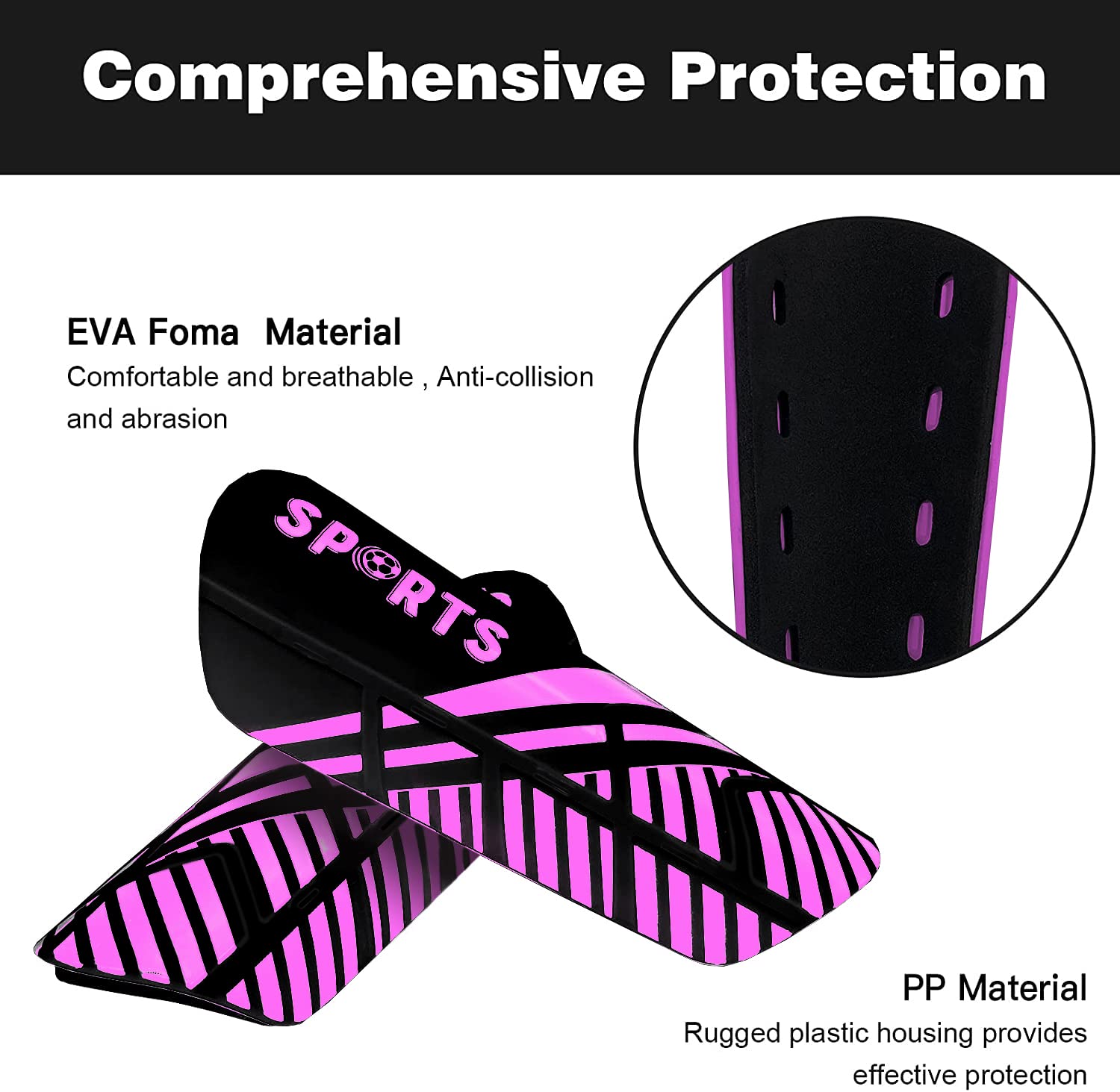
- The "Pocket" vs. "Under-Sleeve": Some sleeves have a pocket you slide the guard into. Others are just tubes you wear over the guard. Pockets are generally better for younger kids because they provide a physical barrier between the hard plastic and the skin.
The G-Form Shift and the Death of Hard Plastic
Something has changed in the last few years. You’ve probably seen those yellow and black pads that look like honeycomb. Those are G-Form guards. They are technically "sleeves with the guard built-in."
They use a technology called Rate-Dependent Material. Basically, the pad is soft and flexible while the kid is running around, but it turns rock-hard the millisecond it gets hit. It’s like magic, but it’s actually chemistry. According to studies on impact attenuation, these flexible sleeves can actually disperse force more effectively than old-school hard shells because they don't have a "shatter point."
Is it worth the extra $30? If your kid hates the "clunky" feeling of traditional gear, yes. It moves with the body. It feels like a second skin. However, some leagues have strict rules about NOCSAE certification. Always check if the sleeve-guard combo has that little stamp on the back. If it doesn't, a picky ref might pull your player off the field.
Why "One Size Fits All" Is a Total Lie
Go to any major sporting goods store and you’ll see "Youth Universal" sizing. Avoid it.
Kids' legs vary wildly. You have the tall, "deer-leg" kids and the stocky, powerful "full-calf" kids. A universal sleeve will be a tourniquet on one and a leg-warmer on the other.
Take a measuring tape. Measure the circumference of the widest part of your child’s calf. Then measure the length from two inches below the knee to just above the ankle bone. Most reputable manufacturers (like Adidas or Vizari) provide a specific size chart in inches. Use it. If the sleeve is too tight, it can actually cause cramping by restricting blood flow during high-intensity sprints.
The "Stink" Factor and How to Stop It
Let's talk about the smell. You know the one. That sour, locker-room-death scent that takes over your car after practice.
Bacteria love youth shin guard sleeves. They are warm, damp, and dark. If you leave them in a gym bag overnight, you’re basically starting a science experiment.
- The Vinegar Soak: Once a month, soak the sleeves in a 1:4 ratio of white vinegar to water. It kills the bacteria that laundry detergent misses.
- Never Dryer Heat: High heat destroys the elastane. If you put them in the dryer on "high," they will lose their stretch within a month. Air dry only.
- Rotation: If your kid plays three times a week, you need at least two pairs of sleeves. Wearing damp gear from yesterday is a fast track to fungal infections.
What Professional Academy Coaches Look For
I’ve talked to coaches at the youth academy level, and they usually have one major gripe: kids wearing sleeves that are too long. When a sleeve is too long, the player folds it over at the top. This creates a thick "ring" of fabric just below the knee.
This ring can actually pinch the peroneal nerve. If your kid ever complains that their foot feels "tingly" or "asleep" while playing, check the top of their sleeves. It’s likely too tight or folded over, cutting off minor nerve signals. Professionals want gear that is "set and forget." If a player touches their shin guards more than twice in a half, the gear is failing.
Real-World Comparison: Nike vs. Unbranded
I’ve seen parents buy the 10-pack of generic sleeves from overseas websites. They look fine in the photos. Then they arrive, and they feel like pantyhose. They have zero "recovery"—meaning once they stretch, they stay stretched.
Nike’s Guard Lock sleeves use a directional weave. If you look closely, the fabric pattern changes near the ankle. This isn't for aesthetics; it's to prevent the "creep" that happens when a player moves laterally. Brands like McDavid go a step further by adding a "silicone gripper" strip at the top. It's the same stuff used in cycling shorts to keep the legs from riding up. It works, but some kids find the silicone "sticky" or irritating.
Addressing the "Itchy" Complaint
"Mom, my legs are itchy!"
This is the most common complaint in youth soccer. Usually, it’s not an allergy. It’s heat rash (miliaria). When a plastic guard is pressed against the skin by a sleeve, sweat gets trapped. The sweat ducts get blocked, and you get those tiny red bumps.
The fix? A "sleeve-sandwich." Wear a very thin, moisture-wicking base sleeve (like a cut-off sock or a dedicated ultra-thin liner), then the guard, then the actual compression sleeve. It adds a layer of air movement. Some high-end youth shin guard sleeves are now being made with "channeled" foam on the interior to allow air to flow vertically between the skin and the plastic.
Safety Standards and NOCSAE
In the United States, high school play requires NOCSAE (National Operating Committee on Standards for Athletic Equipment) approved guards. While youth leagues are sometimes more relaxed, the standard exists for a reason.
A "sleeve" by itself isn't protective. It’s the delivery system. If you buy a "padded sleeve" that doesn't have a hard shell or a high-density foam insert, it might not be legal for tournament play. Always ensure the sleeve is holding a guard that is appropriately sized for the child’s height. A guard that covers less than 2/3 of the shin is inadequate, regardless of how good the sleeve is.
Better Than Tape?
For years, the "pro" look was to wrap clear athletic tape around the bottom of the shin guard. You still see it on TV. But for kids, tape is a nightmare. It’s wasteful, it’s hard to get the tension right, and it rips the hair off their legs when they take it off.
Modern sleeves have basically rendered tape obsolete for the youth level. A high-quality sleeve provides uniform pressure that tape can’t match. Plus, it doesn’t create "hot spots" where the circulation is cut off in just one specific ring around the leg.
Actionable Steps for Your Next Purchase
Stop buying gear based on the color. Your kid wants the neon green ones because they look cool, but if they’re the wrong material, they’ll be in the trash by October.
- Step 1: The Pinch Test. When the kid has the sleeve and guard on, try to slide a finger under the bottom edge. If you can easily fit two fingers, it’s too loose.
- Step 2: Check the "Return." Pull the fabric out and let it go. It should "snap" back instantly. If it slowly drifts back into place, the elastic content is too low.
- Step 3: Look for flatlock seams. Cheap sleeves have thick, raised seams on the inside. These will rub against the shin bone and cause blisters. You want seams that are stitched flat.
- Step 4: Wash them inside out. This helps the agitation of the washing machine pull the skin cells and sweat out of the fabric weave rather than just pushing them deeper in.
Getting the right youth shin guard sleeves seems like a small detail in the grand scheme of a sports season. But gear that works is gear that disappears. When the equipment fits perfectly, the kid stops thinking about their legs and starts thinking about the game. That’s where the real fun starts.
Check the sizing charts from the specific manufacturer before you click "buy," as a Nike "Medium" and an Adidas "Medium" are not the same thing. Look for a minimum of 15% spandex or elastane for the best longevity. If you find a pair with a mesh calf and a reinforced pocket, you’ve hit the jackpot. Stick to those, and you won't be the parent on the sidelines yelling at your kid to fix their socks every five minutes.