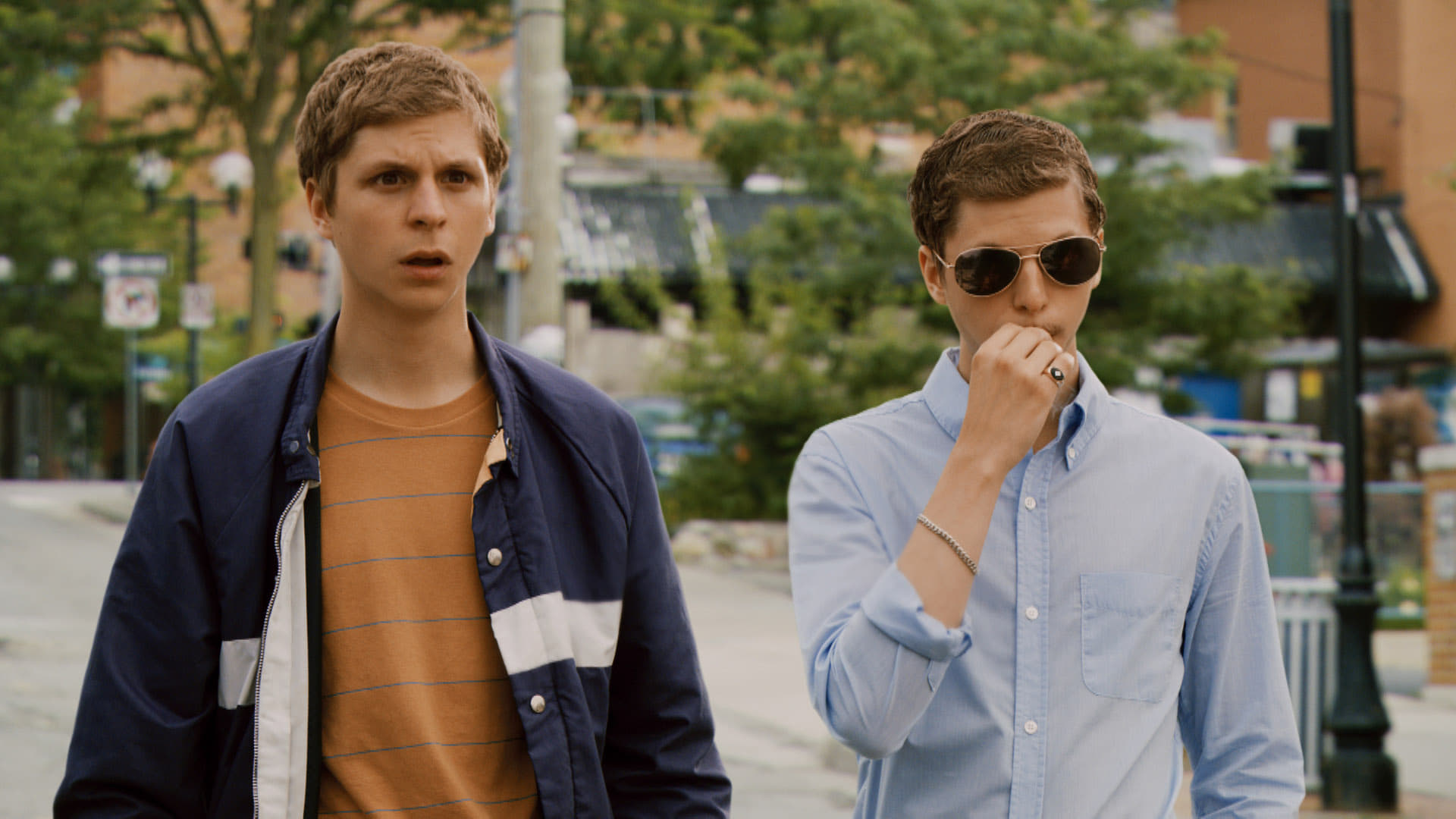
Michael Cera has a specific vibe. You know the one. He’s the king of the awkward, stuttering, "I’m just happy to be here" energy that defined a very specific era of the 2000s. But back in 2009, the Youth in Revolt movie tried to break that mold by literally splitting him in two.
It’s a strange flick. Based on C.D. Payne's epistolary novel, it follows Nick Twisp, a vinyl-collecting nerd who creates a suave, cigarette-smoking alter ego named François Dillinger to win over a girl. Looking back at it today, the movie feels like a time capsule of "indie-sleaze" aesthetics and a weirdly stacked cast that probably couldn't be assembled on the same budget today. We’re talking Ray Liotta, Steve Buscemi, Jean Smart, and a pre-megastardom Justin Long.
Honestly, the movie didn't light the world on fire at the box office. It made about $19 million against an $18 million budget. That’s basically breaking even after you factor in marketing. But its cult status has lingered because it captures a brand of teenage nihilism that feels much more cynical than Superbad or Juno.
The François Dillinger Factor
The whole hook of the Youth in Revolt movie is the mustache.
When Nick Twisp realizes his "nice guy" routine isn't getting him anywhere with Sheeni Saunders (played by Portia Doubleday), he invents François. François is everything Nick isn't: brave, destructive, and capable of arson. Cera plays both roles, and it’s genuinely funny to see him try to act "cool" by just being a jerk.
What most people forget is how dark the movie actually gets. Nick—via François—ends up causing a massive multi-car pileup and burning down half a town. In most teen comedies, the stakes are "will I get the girl?" or "will I get caught drinking?" In this one, the stakes are "will I go to federal prison for domestic terrorism?"
It’s a tonal tightrope. Sometimes it falls off.
A Cast That Makes No Sense (In a Good Way)
If you rewatch it now, the cameos are staggering.
- Zach Galifianakis shows up as the lazy boyfriend of Nick's mom.
- Fred Willard is a radical neighbor.
- Ray Liotta plays a cop who is dating Nick’s mom (it’s a whole thing).
The depth of the supporting cast is what keeps the movie grounded when the plot goes off the rails. You have these titans of character acting showing up for three minutes just to yell at Michael Cera. It adds a layer of professional polish to a story that is, at its heart, about a horny teenager making terrible life choices.
Why It Failed to Become the Next Superbad
Marketing is a fickle beast. When the Youth in Revolt movie came out, the Weinstein Company (who distributed it via Dimension Films) tried to position it as the "next big teen comedy." But it wasn't that. It was too literary. It was too weird. It used French New Wave stylistic cues and featured a protagonist who was actually kind of a criminal.
The movie shifted release dates multiple times. Originally slated for late 2009, it got pushed to January 2010. In the film world, January is often where movies go to die. It’s the "dump months." Despite decent reviews—it holds an 66% on Rotten Tomatoes—the momentum just stalled.
Also, we have to talk about the "Cera Fatigue." By 2010, audiences had seen a lot of Michael Cera being Michael Cera. Between Arrested Development, Superbad, and Nick and Norah's Infinite Playlist, people thought they knew his ceiling. Even though he was playing a "bad boy" in this film, some critics felt it was just another variation of his usual shtick. They were wrong, though. Dillinger is a distinct, hilarious performance that showed he had way more range than people gave him credit for.
The Book vs. The Movie
Fans of C.D. Payne’s books often have a love-hate relationship with the film. The book is a sprawling, multi-part epic of journals. The movie has to cram all that internal monologue into 90 minutes.
To make it work, director Miguel Arteta used animation sequences. It’s a clever trick. It bridges the gap between the written word and the screen, giving us a peek into Nick’s chaotic brain. However, the film cuts out a massive chunk of the later books. In the novels, Nick’s journey goes much further into the absurd, including him dressing in drag to hide out at a girls' school. The movie keeps things relatively contained, which might be why it feels a bit rushed in the third act.
Is Youth in Revolt Actually "Problematic" Now?
Watching this in the 2020s is a different experience. The way François treats women and the general "manic pixie dream girl" vibe of Sheeni Saunders hasn't aged perfectly. Sheeni is more of a prize to be won than a fully fleshed-out human, though Portia Doubleday does her best with the material.
But that’s kind of the point of the Youth in Revolt movie. It’s not supposed to be a guide on how to behave. It’s a satire of the male ego. Nick is a "nice guy" who thinks he’s owed something, and his subconscious creates a monster to go get it. If you view it through a satirical lens, it actually holds up as a biting critique of teenage entitlement.
How to Revisit the Story Today
If you’re looking to dive back into the world of Nick Twisp, don't just stop at the credits. There are ways to get the full experience that the 90-minute runtime couldn't provide.
1. Read the Journals: The book is actually a series of six novels (and counting). If you liked the movie’s humor, the books are ten times more dense and hilarious. Start with Youth in Revolt: The Journals of Nick Twisp.
2. Check out the Soundtrack: The music in the film is top-tier indie pop. It features tracks by The Be Good Tanyas, Fruit Bats, and Little Joy. It’s the perfect "rainy day in 2010" playlist.
3. Watch Miguel Arteta’s Other Work: If you liked the tone, Arteta also directed Chuck & Buck and The Good Girl. He specializes in that "uncomfortable but human" vibe.
The Youth in Revolt movie remains a fascinating artifact. It was the end of an era for a certain type of mid-budget comedy. It didn't need superheroes or massive CGI set pieces—just a kid, a fake mustache, and a very bad plan to burn down a trailer park. It’s messy, it’s frantic, and it’s honestly much better than the box office numbers suggest.
Next Steps for Enthusiasts:
To truly appreciate the film's place in cinema history, compare it directly to Scott Pilgrim vs. The World, which came out the same year. Both films use Michael Cera to subvert the "indie darling" trope, but they do it in polar opposite ways. Watching them back-to-back provides a masterclass in how 2010-era cinema was trying to deconstruct the very stars it created. Seek out the "deleted scenes" on the Blu-ray as well; they include several of François’s more erratic moments that were trimmed to keep the film from hitting an R rating for "excessive mischief."



