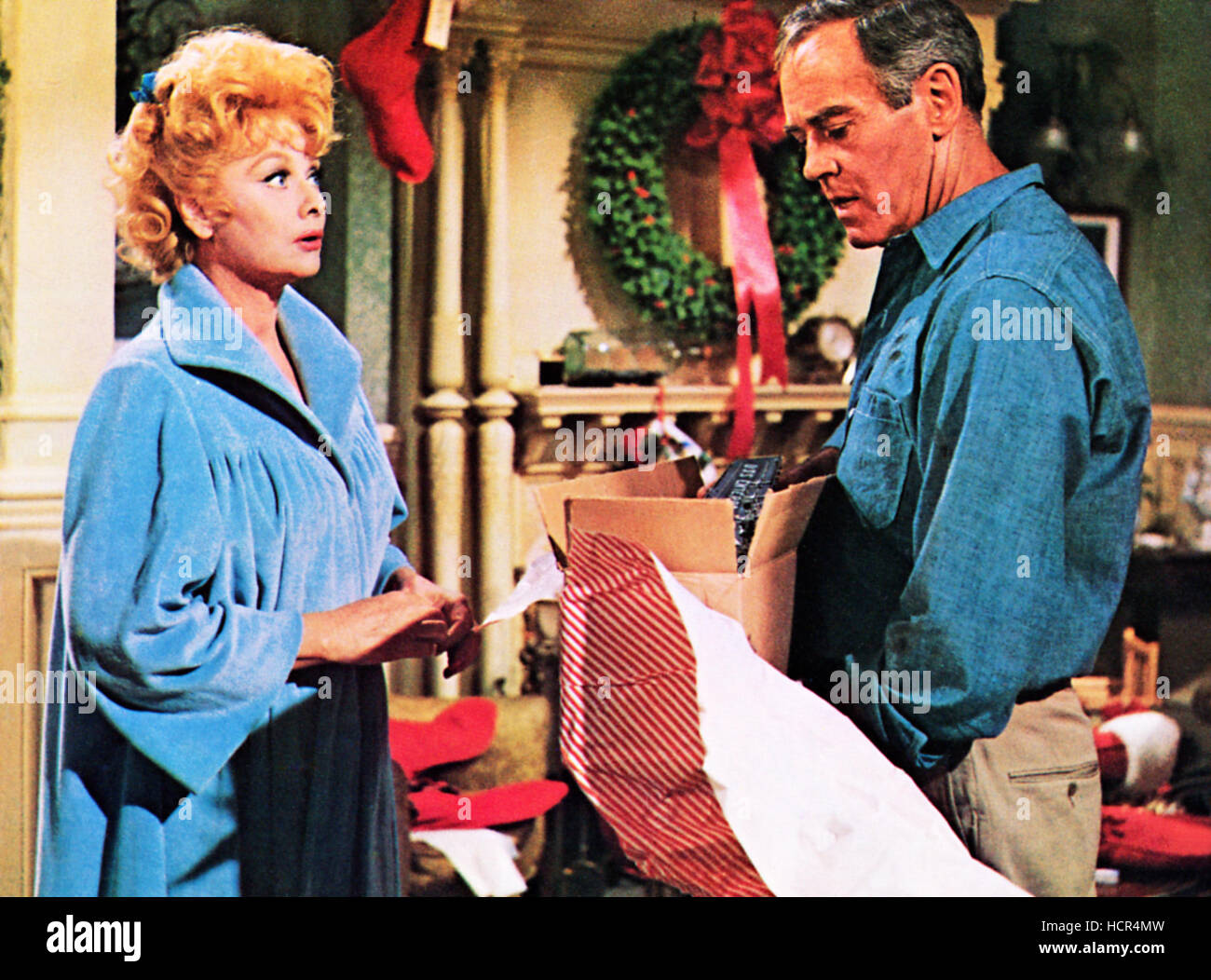
Ever wonder why some movies just feel like they belong to a different era? I'm talking about that specific 1968 vibe where everything was colorful, a bit loud, and surprisingly wholesome despite the world outside being a total mess. Yours Mine and Ours is basically the poster child for that. It’s the movie where Lucille Ball and Henry Fonda decide that having 18 children between them isn't nearly enough of a headache, so they get married and eventually add two more to the pile.
Most people remember the "drunk scene" or the sheer chaos of a three-minute breakfast routine. But honestly, the story behind how this movie got made—and the real family that inspired it—is way more interesting than the Hollywood version. It wasn't just a "Lucy" vehicle. It was a massive gamble for a woman who was literally running a studio while trying to prove she could still carry a big-screen hit.
The Real Story vs. Hollywood Magic
The movie is based on the life of Helen Beardsley, who wrote a book called Who Gets the Drumstick? in 1965. In the film, Helen (played by Lucille Ball) is a widow with eight kids, and Frank Beardsley (Henry Fonda) is a widower with ten. They meet, they hide their massive broods from each other like they’re hiding a criminal record, and hilarity ensues.
Kinda.
In real life, the meeting was way less "screwball comedy." Helen and Frank actually met through a nun, Mother Superior Sister Mary Eleanor, while Helen was enrolling her kids in school. Also, that whole thing about them being terrified to tell each other about the kids? Mostly a movie invention. On their very first date, Helen actually brought five of her eight children along. Imagine that for a second. You show up for a first date and there are five kids in the backseat. Talk about a litmus test.
Frank and Helen’s real-life union was surprisingly smooth compared to the movie. Their kids actually liked each other. They didn't stage a "war" between the Norths and the Beardsleys. In fact, the kids were the ones who pushed for the marriage and the legal adoption. Hollywood just needed more drama, so they added the sibling rivalry and the house-buying stress.
Lucille Ball: The Mogul in the Director's Chair
By 1967, Lucille Ball wasn't just a star; she was the boss. She was the first woman to run a major studio, Desilu Productions. She bought out Desi Arnaz’s shares years prior and was overseeing stuff like Star Trek and Mission: Impossible.
But she wanted a hit. A big one.
She had already tried a few movies that didn't quite land, like Critic's Choice with Bob Hope. She was 56 when they started filming Yours Mine and Ours Lucille Ball, and she was a perfectionist. She actually rejected the first few scripts because they felt too much like I Love Lucy. She didn't want to just do "Lucy Ricardo has twenty kids." She wanted something with actual weight.
- The Casting Tug-of-War: At one point, they considered Desi Arnaz for the role of Frank. Can you imagine the PR firestorm that would have caused? They also looked at John Wayne and Jackie Gleason.
- The Fonda Factor: Henry Fonda eventually got the part, but he and Lucy hadn't worked together since 1942 (The Big Street). They had a weird history—Jane Fonda once mentioned her dad had a massive crush on Lucy back in the day, but she didn't feel the same.
- The "Drunk" Scene: This is the most famous part of the movie. Lucy’s character gets her drink spiked with gin and vodka by the Beardsley boys. Director Melville Shavelson said he had to practically beg Lucy to do it because she was worried it was too "slapstick." She eventually leaned in, and it became the highest-rated scene with audiences.
Why it Nearly Didn't Happen
The production was a bit of a mess. It started in 1962, then stopped. Then started again. It went through about five different writers. At one point, the title was The Beardsley Story, then His, Hers and Theirs. They finally settled on Yours, Mine and Ours right before release.
One of the biggest hurdles was actually the house. In the movie, they buy this giant, beautiful Victorian in Northern California. In reality, the "house" was the Blankenhorn-Lamphear house in Pasadena, and the interiors were all sets. The real Beardsleys didn't buy a neutral house; they just kept adding rooms to Frank's existing home in Carmel until it looked like a labyrinth.
The Brady Bunch Connection (and the Lawsuit)
If the plot sounds familiar, it’s because it basically birthed The Brady Bunch.
Sherwood Schwartz, the creator of the Bradys, had been pitching a similar idea for years. When the movie became a massive hit—it was the 4th highest-grossing film of 1968—the studio actually threatened to sue Schwartz. They thought he was ripping off the Beardsley story. He had to prove he’d been working on his script since 1966 to get them to back off.
The movie's success is honestly the only reason ABC finally greenlit the TV show. They saw that audiences weren't weirded out by blended families anymore.
The Dark Side of the "Blissful" Beardsleys
Here’s the part that usually doesn't make it into the TCM intros. Not everyone in the real family felt like they were living in a Lucille Ball comedy.
Years later, Tom North (one of Helen’s sons) wrote a book called True North. He claimed that Frank Beardsley was actually incredibly abusive and that the "perfect family" image was a total front. He described a household run like a military dictatorship where the kids were terrified. It’s a stark contrast to the guy Henry Fonda played on screen.
It makes you watch those scenes of Frank using a whistle to line up the kids a little differently, doesn't well?
Why the Movie Still Ranks
Even with the heavy real-world backstory, the film works. It made over $25 million in 1968 (which is like $200 million today). It was Lucy’s last real box-office smash.
People loved it because it was "safe" in a year that was anything but. 1968 saw the Tet Offensive, the assassination of MLK, and the RFK shooting. Amidst all that, people just wanted to watch Lucille Ball get drunk on a date and deal with 18 kids. It offered a version of the American family that felt indestructible.
Actionable Tips for Classic Film Fans
If you're planning a rewatch or just getting into Lucille Ball’s non-TV work, here’s how to get the most out of it:
- Watch the 1968 version first: Skip the 2005 remake with Dennis Quaid. It lacks the chemistry and the specific "Technicolor" charm of the original.
- Look for the supporting cast: Van Johnson (who plays the Navy buddy) was a huge star in his own right and a long-time friend of Lucy. Their comfort on screen is genuine.
- Read the book: Who Gets the Drumstick? gives a much better look at how they actually managed the logistics of 20 people in one house (the bread budget alone was insane).
- Check the ages: Keep in mind that Lucy was nearly 60 and Fonda was 63. The movie tries to play them as slightly younger, but their "mature love" is actually one of the most grounded parts of the film.
The legacy of Yours Mine and Ours Lucille Ball isn't just about the laughs. It’s a snapshot of a studio mogul at the height of her power, trying to balance the demands of her "Lucy" brand with a story about the messy, complicated reality of family life. It’s not a perfect movie, but it’s a fascinating one.
Next time you see it on a streaming service or a cable rerun, pay attention to the grocery store scene. The sheer logistics of feeding that many people—it makes my weekly Trader Joe's run look like a vacation.
To dive deeper into this era, you should look up the production history of Desilu Studios during the mid-60s. It explains a lot about why Lucy took the roles she did during her final decade of stardom.



