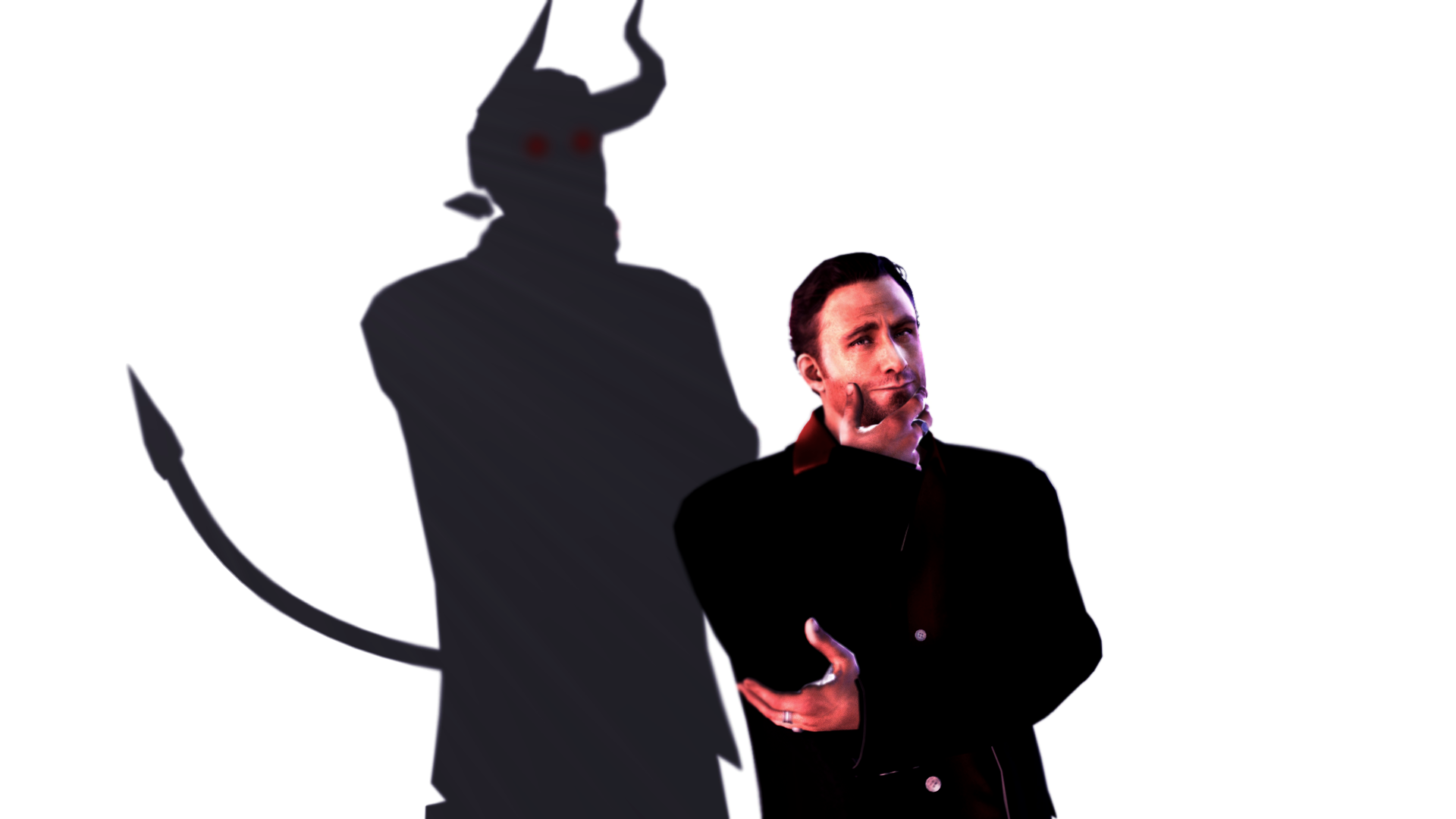
Everyone knows the hook. That sudden, jarring shift from a soulful, slow-tempo ballad into a driving rockabilly beat is one of the most recognizable transitions in music history. When Elvis Presley recorded You’re the Devil in Disguise in June 1963, he wasn't just making another radio hit. He was accidentally creating a template for the "twist" song. It's funny, really. If you listen to the lyrics, it’s a pretty standard tale of romantic betrayal. But the execution? That’s where the magic—and the weirdness—happens.
Most people don't realize that by 1963, the music industry was changing fast. The Beatles were already exploding in the UK. Elvis was deep into his "movie contract" era, which many critics think was his creative low point. Yet, right in the middle of that, he dropped this gem. It hit number three on the Billboard Hot 100. It topped the charts in the UK for weeks. It’s a song about deception, but the song itself is a bit of a trick. You think you're getting a slow dance, and then suddenly, the drums kick in and the King is sneering at you.
The Nashville Sound and the Bill Giant Connection
The song came out of a marathon session at RCA’s Studio B in Nashville. If you’ve ever been to Nashville, you know Studio B is basically a holy site. It’s got that specific, warm acoustic profile that defined the "Nashville Sound." The writers behind the track—Bill Giant, Bernie Baum, and Florence Kaye—were a powerhouse trio. They wrote dozens of songs for Elvis, mostly for his films. Honestly, a lot of their movie work was... let's say "variable" in quality. But with this one, they nailed it.
They understood Presley's vocal range perfectly. He starts in that deep, vibrating baritone, sounding almost heartbroken. "You look like an angel," he croons. He sounds vulnerable. Then, bam. The tempo doubles. D.J. Fontana’s drumming becomes aggressive. The Jordanaires—Elvis's legendary backup singers—jump in with those "oh-yes-you-are" responses. It’s a call-and-response style that feels like it’s pulled straight from a tent revival meeting, which is ironic given the subject matter.
Why the British Loved It More Than Americans
It’s an interesting quirk of music history. While the song was a massive success in the US, it became a cultural phenomenon in the UK. Why? Probably because the British audience in 1963 was obsessed with the "beat" movement. The rhythmic shift in the song felt modern to them. Even John Lennon famously reviewed the song for Melody Maker. He wasn't exactly kind. Lennon said Elvis was becoming like Bing Crosby. He felt the song was too polished, too "showbiz."
Lennon was kinda right, but also totally wrong. He missed the point that Elvis was transitioning into a different kind of entertainer. He wasn't the raw, dangerous kid from 1954 anymore. He was a global brand. You’re the Devil in Disguise represents that middle ground. It’s got the polish of a 1960s pop production, but the underlying growl in Elvis's voice proves he still had that Memphis grit. He wasn't just a puppet for the studio; he was a guy who knew how to manipulate a microphone.
Deconstructing the "Angel Face" Irony
The lyrics are simple. Almost too simple. But they work because they play on a universal human experience: being fooled. We’ve all been there. You meet someone who seems perfect, and then the mask slips. The song uses a very specific contrast. The "angel face" represents the public persona, while the "devil in disguise" is the private reality.
- The verses are the "disguise" (slow, melodic, soft).
- The chorus is the "revelation" (loud, fast, accusing).
This isn't just clever songwriting; it's psychological. The music mirrors the emotional state of someone realizing they've been played. You start calm, trying to process it, and then the anger takes over. It's one of the few songs where the structure tells the story as much as the words do.
The Technical Brilliance of RCA Studio B
If you look at the technical side, the recording is flawless. This was the era of live-to-tape. There was no Auto-Tune. There was no cutting and pasting a chorus. If D.J. Fontana missed a beat during that tempo shift, they had to start the whole song over. The musicians—including Scotty Moore on guitar and Bob Moore on bass—had to be perfectly in sync.
The bass line is particularly underrated. It carries the momentum during the fast sections, providing a walking line that keeps the energy from falling apart. It’s easy to forget that these sessions were often done late at night, fueled by caffeine and a lot of pressure to produce "the next big hit." Elvis was known for doing dozens of takes until he felt the "vibe" was right. He wasn't a technical singer in the classical sense, but his instincts for timing were elite.
Cultural Legacy and That Lilo & Stitch Boost
For a whole new generation, this song isn't associated with the 60s at all. It’s associated with a blue alien. The 2002 Disney film Lilo & Stitch used the song during a montage where Lilo tries to turn Stitch into a "model citizen." It was a brilliant choice. It introduced a 40-year-old track to kids who had no idea who Elvis was.
That movie helped cement the song’s status as a "safe" classic. It’s catchy enough for a children’s movie, but dark enough to hold its own in a jukebox at a dive bar. It’s one of the few Presley songs that doesn't feel like a museum piece. It still feels alive. It’s been covered by everyone from The Residents to Trisha Yearwood, proving that the melody is bulletproof regardless of the genre.
Common Misconceptions About the Recording
One thing people get wrong all the time is thinking this was a "comeback" song. It wasn't. The 1968 Comeback Special was still years away. In 1963, Elvis was still the undisputed King, but he was starting to feel the pressure of the "British Invasion." This song was actually recorded during what fans call the "Lost Sessions." Elvis went into the studio in June '63, recorded enough material for an album, and then... nothing. The label decided to hold the songs back and release them as singles or scatter them across soundtrack albums instead.
If RCA had released an album in 1963 with You’re the Devil in Disguise as the lead track, the narrative of Elvis's "decline" in the mid-60s might look very different today. It showed he could still handle contemporary pop-rock with ease. Instead, it became a standalone masterpiece, a reminder of what he was capable of when he wasn't singing about racing cars or working at a world's fair.
What You Can Learn From the Song Today
If you’re a songwriter or a creator, there’s a massive lesson here: Contrast is king. The reason we still talk about this song isn't because the lyrics are deep literature. It's because the jump from the verse to the chorus creates a physical reaction in the listener. It wakes you up.
In a world where most music is compressed and stays at one volume level for three minutes, that 1963 recording is a masterclass in dynamics. It’s about the "reveal."
How to Appreciate the Track Anew
Next time you hear it, don't just let it play in the background. Focus on the transition. Listen to how Elvis’s tone changes. He goes from a croon to a bite.
- Listen to the Mono Mix: If you can find the original mono version, do it. The drums have way more punch, and the separation between Elvis and the Jordanaires feels more visceral.
- Watch the 1968 Version: Though he didn't perform it often live, his later interpretations of his early 60s hits usually had a bit more "meat" on the bones.
- Check the Lyrics Against the Melody: Notice how the "slow" parts are the lies and the "fast" parts are the truth. It's a neat bit of storytelling.
The reality is that You’re the Devil in Disguise remains one of the most effective pop songs ever written. It’s short, it’s punchy, and it captures a specific kind of heartbreak that feels both vintage and completely current. It’s not just a song; it’s a warning wrapped in a catchy melody. Elvis knew exactly what he was doing. Even when he was "disguised" as a Hollywood movie star, he was still the most dangerous man in rock and roll when he got behind a Studio B microphone.
To truly understand the impact of this era, look into the RCA Studio B archives or listen to the "The Nashville Marathon" recordings. It provides a raw look at a master at work, stripping away the movie-star gloss to find the musician underneath. Focus on the 1960-1963 era of his discography to see how he bridged the gap between the 1950s rebellion and the 1970s Vegas era. It's the most musically diverse period of his career.



