If you’ve ever stayed up way too late watching 1980s horror movies, you know the vibe. The blue-tinted moonlight, the suburban paranoia, and that one specific line of dialogue that somehow becomes a lifestyle. You’re so cool, Brewster. It’s a whisper, a taunt, and a moment of cinematic history all rolled into one. Honestly, it’s wild how four simple words from a 1985 vampire flick managed to outlive the decade’s neon leg warmers and hairspray. We’re talking about Fright Night, of course. Tom Holland’s (no, not that one, the director) masterpiece of practical effects and teen angst.
The line is delivered by Jerry Dandridge, the charismatic bloodsucker next door played by Chris Sarandon. He says it to Charley Brewster, the kid who is obsessed with the macabre and has just realized his neighbor is literally a monster. But the phrase didn’t just stay in the movie. It became the title of a definitive documentary. It became a catchphrase for horror fans. It basically defined the legacy of a film that almost didn’t get made.
Why Fright Night Still Matters in 2026
It’s easy to look back at the 80s and see a blur of slashers. You had Freddy, Jason, and Michael. But Fright Night was different. It was self-aware before "meta" was even a word people used at dinner parties. You’re so cool, Brewster represents the moment the predator acknowledges the prey. It’s a pivot point.
Think about the context. Charley Brewster is a nerd. He’s the guy watching "Fright Night" with Peter Vincent, a washed-up vampire killer on TV. When Jerry Dandridge leans in and says that line, he’s mocking Charley’s bravery. Or maybe he’s admiring it? That’s the nuance Sarandon brought to the role. He wasn't a growling beast; he was a seducer. The film grossed about $25 million back in the day, which was huge for a horror movie with a $7 million budget. It proved that audiences wanted more than just gore—they wanted style.
The practical effects by Richard Edlund’s team still hold up. If you compare the transformation of Evil Ed to modern CGI, the 1985 version often wins on pure "ick" factor. There is a weight to it. A reality. When Brewster faces off against these practical monsters, you feel the stakes.
The Documentary: You’re So Cool, Brewster
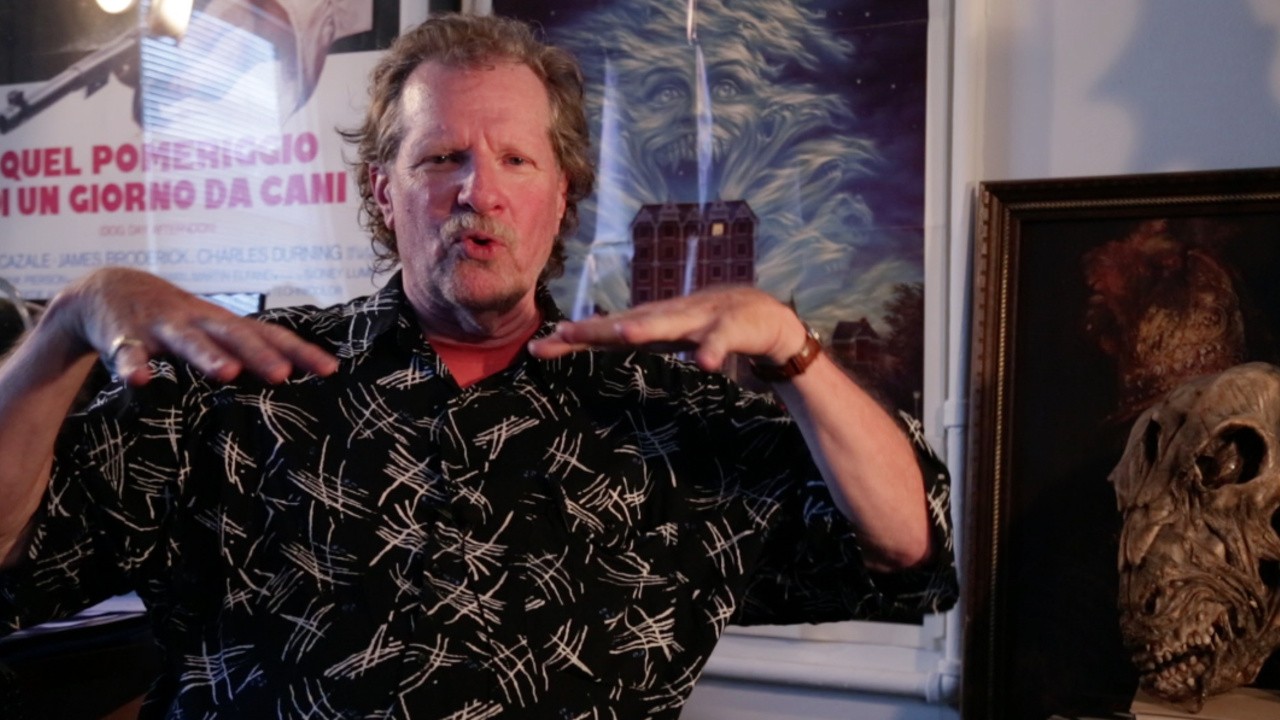
If you really want to understand the obsession, you have to look at the documentary You're So Cool, Brewster! The Story of Fright Night. Released in 2016, this wasn't just some cheap DVD extra. It was a massive, three-hour-plus love letter to the production. It features interviews with Tom Holland, Chris Sarandon, William Ragsdale (Charley), and even the legendary late Roddy McDowall via archival footage.
The documentary deep-dives into the script's origins. Holland wrote it in three weeks. Can you imagine? Three weeks to create a pillar of the genre. He wanted to explore the "Boy Who Cried Wolf" trope but with a vampire. The title of the doc itself is a nod to the fact that for fans, that one line is the "Open Sesame" of the Fright Night universe.
The Casting Magic
The chemistry wasn't an accident. Chris Sarandon initially turned down the role of Jerry. He didn't want to do a horror movie. But he read the script and saw the humanity—and the humor. He famously modeled Jerry’s movements after a fruit bat. Those subtle, jerky head tilts? Pure animal instinct.
Then there’s Roddy McDowall. As Peter Vincent, he provided the soul of the film. He was the bridge between the old-school Universal monsters and the new-school 80s teen horror. Without him, the movie might have felt like just another slasher. He made it a tragedy about aging and relevance.
The Cultural Ripple Effect
Why does the phrase you're so cool, Brewster continue to pop up in Reddit threads and film festivals? It’s because Fright Night occupies a very specific space. It’s "Cozy Horror." It feels like home, even when there’s a vampire trying to eat your girlfriend.
- The Soundtrack: Brad Fiedel’s score is a synth-heavy masterpiece. It’s haunting but also weirdly upbeat.
- The Remake: In 2011, we got a remake starring Colin Farrell and Anton Yelchin. It was... fine. Actually, it was better than most remakes. Farrell’s Jerry was more of a "blue-collar" vampire, which was an interesting twist. But it lacked the theatricality of the original. It didn't have that "cool" factor that Sarandon nailed.
- The Legacy: Modern directors like Edgar Wright and Quentin Tarantino have cited the film’s influence. It taught a generation of filmmakers how to balance laughs with legitimate scares.
Honestly, the horror community is one of the most loyal groups on the planet. They don't let things go. If a movie speaks to them, they carry it for forty years. Fright Night didn't just have a scary monster; it had a vibe. It had a heartbeat.
What Most People Get Wrong About Jerry Dandridge
People often remember Jerry as a cold-blooded killer. But look at his house. It’s pristine. He’s a guy who likes the finer things. He’s lonely. His relationship with Billy Cole (his "live-in" protector) is one of the most discussed subtexts in 80s horror. Is it a queer allegory? Is it just a master-servant dynamic? Holland has been somewhat open about the layers he baked into the script.
When Jerry says you're so cool, Brewster, he’s almost inviting Charley into his world. He sees a bit of himself in the kid's obsession. Most people miss that Jerry doesn't actually want to kill Charley at first. He just wants him to shut up. He gives him chances. He warns him. That’s not a typical slasher villain move. That’s a guy who actually thinks Brewster is cool, in a weird, annoying way.
Actionable Steps for the Fright Night Fan
If you’re looking to dive deeper into this world or perhaps you’re planning a marathon, here is how to do it right.
Watch the "Iconic" Cut Don't just stream it on a random platform in 480p. Seek out the 4K UHD release from Sony. The colors—the deep purples and blues—are essential to the experience. The transfer is stunning and reveals details in the shadows you’ve never seen before.
Hunt for the Comic Books Most fans don't know that Fright Night had a comic book series published by NOW Comics in the late 80s. They are weird, non-canonical, and totally awesome. They expand the lore of Peter Vincent and Charley Brewster in ways the sequel never did.
Visit the Locations If you find yourself in Los Angeles, the "Brewster House" and the "Dandridge House" are located in the Corning Street neighborhood. While they are private residences (so be respectful!), seeing the architecture in person makes the movie feel even more grounded in reality.
Listen to the Soundtrack on Vinyl The Fright Night OST is a collector's item for a reason. Tracks like "Come to Me" by Brad Fiedel are the epitome of 80s gothic romance. It’s the perfect background music for a rainy night.
The beauty of you're so cool, Brewster is that it keeps the fire alive for a movie that could have easily been forgotten. It’s a badge of honor for those who "get it." Whether you're a lifelong fan or a newcomer who just discovered the film on a "best of" list, the impact is the same. It’s a reminder that horror is best when it has a personality.
The Final Verdict on the Legend
Fright Night isn't just a movie; it's a mood. It captures that specific feeling of being a teenager and knowing something is wrong, but nobody believes you. It’s about the loss of innocence and the realization that monsters don't live in far-off castles—they live next door. They have nice cars. They eat apples. And sometimes, they think you’re cool.
To truly appreciate the legacy, look past the rubber masks and the fangs. Look at the characters. Look at the friendship between a scared kid and a fake vampire hunter. That’s the heart of the story. That’s why, four decades later, we’re still talking about Brewster.
Next Steps for Enthusiasts:
- Locate a copy of the You're So Cool, Brewster! documentary via Cult Screenings UK or secondary markets, as it’s the most exhaustive resource available.
- Compare the 1985 original with the 1988 sequel, Fright Night Part 2, which features Julie Carmen and a significantly different tone but maintains the practical effects lineage.
- Research Tom Holland’s "Director’s Choice" commentaries to understand the specific lighting choices used during the club scene, which redefined how horror was shot in the mid-80s.



