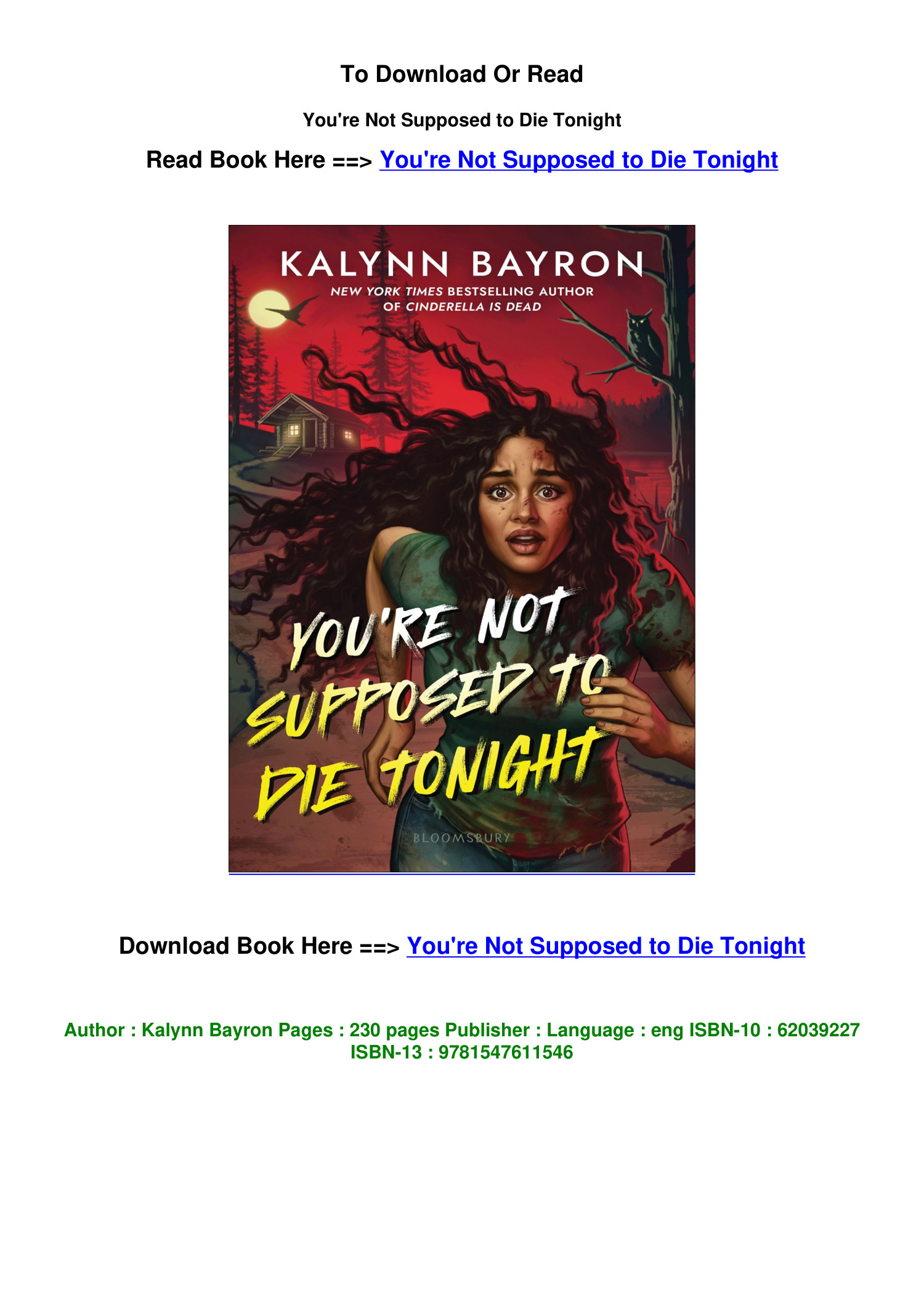
It starts with a scream. Not a digital, pixelated scream, but the kind of raw, desperate noise that makes you check if your front door is actually locked. You’re standing in a dimly lit office, the air feels heavy with that 1990s office-supply musk, and suddenly, the phone rings. If you’ve spent any time in the indie horror scene lately, you know exactly what I’m talking about. You’re Not Supposed to Die Tonight isn't just another jump-scare simulator; it’s a grueling, lo-fi love letter to the era of VHS slashers and clunky PlayStation 1 polygons.
Developed by Mason Lindroth, the creator who previously melted brains with the surreal Hylics, this game feels like a fever dream. It’s short. It’s mean. It’s deeply unsettling.
Honestly, the first time I sat down with it, I expected a standard "run away from the monster" loop. I was wrong. The game plays with your expectations of how a horror protagonist should behave, forcing you into the shoes of Nora, a girl just trying to manage a "staged" slasher attraction at a summer camp. But, as the title implies, things go sideways. Fast.
What Actually Happens in You’re Not Supposed to Die Tonight?
The premise is basically every 80s horror fan's fantasy. You're at Huntly Custos, a place where people pay to get "hunted" for fun. It’s a job. Nora is just trying to close up shop, but the lines between the performance and reality start to blur until they've completely dissolved.
What makes You’re Not Supposed to Die Tonight stand out from the sea of "mascot horror" games like Five Nights at Freddy's or Poppy Playtime is the aesthetic commitment. It uses a specific, crunchy visual style that mimics the dithering of early 32-bit consoles. It’s ugly on purpose. That ugliness creates an abstraction where your brain fills in the terrifying details.
The gameplay is a mix of inventory management and high-stakes survival. You aren't some super-soldier. You're a person with a limited stamina bar and a very real sense of vulnerability. When the "Killer" shows up, it isn't a scripted cinematic event. It's a frantic, messy scramble for survival. You'll find yourself fumbling with keys while hearing footsteps behind you—real, rhythmic footsteps that don't stop.
The Aesthetic of Anxiety
Lindroth’s art style is the secret sauce here. In Hylics, that style was whimsical and psychedelic. Here? It’s oppressive. The colors are muted—sickly greens, muddy browns, and stabs of neon red.
Everything feels slightly "off." The character models have this claymation-gone-wrong jitter to them. It taps into a very specific type of nostalgia that feels dangerous. You aren't just playing a game; it feels like you've discovered a cursed bootleg tape in the back of a defunct video rental store.
There’s no hand-holding. Most modern games are terrified that you’ll get lost for more than thirty seconds. They’ll put a giant yellow marker on the door you need to open. Not here. You have to pay attention to your environment. You have to read the notes. You have to actually inhabit the space.
Why the Difficulty Curve is the Point
People complain about the difficulty. I get it. You will die. A lot. But that’s the mechanical hook. The game forces you to learn the layout of the camp like the back of your hand.
By the time you reach the final act, you aren’t just a player clicking buttons; you’re a survivor who knows exactly which floorboards creak and which doors take too long to swing open. The frustration is part of the narrative. Nora is exhausted, and by the end of a two-hour session, you are too.
It’s worth noting that the game isn't just about fleeing. There is combat, but it’s clunky and desperate. Swinging a weapon feels heavy. It feels like you’re actually fighting for your life rather than playing a refined action game. This "tank-like" feel is a deliberate callback to Resident Evil or Silent Hill, where the controls themselves were an obstacle to overcome.
Breaking Down the Plot Beats
Without spoiling the absolute madness of the ending, the story shifts gears in a way that most players don't see coming. It starts as a slasher, moves into corporate conspiracy territory, and ends in a place that feels almost cosmic.
- The Setup: Nora manages the camp, dealing with "actors" who might be taking their roles too seriously.
- The Turn: Real bodies start dropping. The "game" is no longer a game.
- The Twist: Why is this happening? Who is actually in charge of Huntly Custos?
- The Aftermath: Survival isn't just about staying alive; it's about what you have to become to make it to morning.
Many players get stuck on the "Protect the Generator" section or the final boss encounter. The trick is less about "git gud" and more about resource conservation. If you waste your supplies early on, you’re basically a dead woman walking. It’s one of those rare games that respects your intelligence enough to let you fail miserably.
Technical Specs and Accessibility
One of the best things about You’re Not Supposed to Die Tonight is that it can run on a toaster. Because it uses such a stylized, low-poly approach, you don't need a $3,000 gaming rig to experience it.
- Platform: Windows (available on Steam and Itch.io)
- Playtime: 1.5 to 3 hours (depending on how much you die)
- Controller Support: Works best with a mouse and keyboard for that classic PC horror feel, though gamepads are supported.
The sound design deserves its own award. The soundtrack is sparse, punctuated by discordant synths and ambient woods noises. It’s the silence that gets you. The long stretches of nothing but your own footsteps make the eventual arrival of the killer feel like a physical blow.
Why It’s Ranking on Discover
Google's algorithms are currently favoring "niche authority." This means that instead of broad, corporate reviews, people want to hear from folks who actually played the game and understand its weird, jagged edges. The game has become a cult favorite among streamers and "ludonarrative" nerds because it breaks the rules. It’s a "small" game that feels massive because of its atmosphere.
If you’re looking for a polished, Triple-A experience with 4K textures and mo-cap acting, stay away. This is the opposite of that. It’s raw. It’s intentional. It’s an "art-house" horror game that doesn't care if you like it. And honestly? That's why it's so good.
Getting Through the Night: Pro Tips
If you're jumping in for the first time, don't play it like Call of Duty. You need to be methodical.
- Listen, don't just look. The directional audio tells you where the threat is long before you see the pixels shift.
- Save your ammo. Seriously. You’ll think you have plenty, then you’ll hit a wall and realize you’re holding an empty gun against a monster that doesn't feel pain.
- Explore the corners. The lore isn't fed to you in cutscenes. It’s in the crumpled notes and the environmental storytelling.
The game manages to capture the "Final Girl" trope better than almost any other medium. By the end, you feel the weight of Nora’s journey. You’ve seen the horrors, you’ve made the narrow escapes, and you’ve felt the adrenaline of a last-second victory.
You’re Not Supposed to Die Tonight is a reminder that horror doesn't need a massive budget to be effective. It just needs a vision and the courage to be genuinely weird. Whether you're a fan of the PS1 era or just someone looking for a game that will actually make your heart race, this is a mandatory play.
Actionable Next Steps
If you're ready to dive into the madness of Huntly Custos, here is how to get the most out of your first run:
- Download the Game: Grab it on Steam or Itch.io. It's usually under ten dollars, which is a steal for the sheer amount of dread it provides.
- Optimize Your Environment: Turn off the lights. Use headphones. This isn't a "podcast game" you play while listening to something else. It demands your full attention.
- Check Out "Hylics": After you finish, look at Mason Lindroth’s other work. It’ll give you a much deeper appreciation for the visual language used in this game.
- Don't Use a Guide (First Time): Let yourself get lost. Let yourself die. The confusion is part of the intended experience. Save the walkthroughs for your second "perfectionist" run.