It’s 2005. You’re in a grocery store, a wedding reception, or stuck in a dentist's chair, and that acoustic guitar riff starts. You know the one. James Blunt’s voice kicks in, slightly fragile, singing about seeing an angel in the subway. For nearly two decades, You're Beautiful by James Blunt has been the go-to anthem for first dances and romantic dedications. It’s played at thousands of weddings. People cry to it. They think it’s the peak of early 2000s romance.
But here’s the thing: you’ve probably been hearing it wrong this whole time.
James Blunt himself has spent years trying to tell us that this isn't a sweet love song. It’s actually kinda dark. It’s not about a soulmate; it’s about a guy who is high as a kite on a subway, stalking someone else’s girlfriend. When you really look at the lyrics and the history behind the track, the "romantic" veneer starts to peel off, revealing something much more desperate and, frankly, a bit creepy. That’s the brilliance of it, though. It’s a pop masterpiece that tricked the entire world into thinking a drug-fueled encounter was the height of chivalry.
The Subway Stalker: What the Lyrics Actually Say
Most people tune out after the chorus. They hear "You're beautiful, it's true" and their brains just shut off the analytical part of the ear. But let’s look at the setup. Blunt wrote the song after seeing an ex-girlfriend on the London Underground with her new partner. They didn't speak. They just made eye contact for a fleeting second.
The opening line of the unedited version—the one they couldn't play on Top 40 radio—literally says, "She could see from my face that I was high." He’s intoxicated. He’s underground. He’s staring at a woman who has moved on with her life.
There is a specific kind of British melancholy here that often gets lost in translation when a song crosses the Atlantic. It isn't a "happily ever after" vibe. The protagonist is a literal bystander in his own life. When he sings "I've got a plan," he never actually follows through. He just watches. The song ends with "I will never be with you," which is about as far from a wedding march as you can get. Yet, the melody is so soaring and the production by Tom Rothrock is so clean that we just ignored the sadness.
Honesty is a rare commodity in pop music. Blunt wasn't trying to write a hit; he was venting. He’s been quoted in multiple interviews, including a famous one with The Huffington Post, explaining that the character in the song should probably be arrested for his behavior. It’s a "stalking song," plain and simple.
Why You're Beautiful by James Blunt Became a Global Juggernaut
You can't talk about this song without mentioning the sheer scale of its success. It hit number one in nearly every country with a radio station. In the US, it topped the Billboard Hot 100, making Blunt the first British artist to do so since Elton John’s "Candle in the Wind 1997."
Why? Because it’s a perfect earworm.
The structure is deceptively simple. It uses a standard I–V–vi–IV chord progression—the same "magic" chords found in everything from "Let It Be" to "Don't Stop Believin'." This creates an immediate sense of familiarity. Even if you’ve never heard it before, your brain feels like it has.
The Video and the Leap of Faith
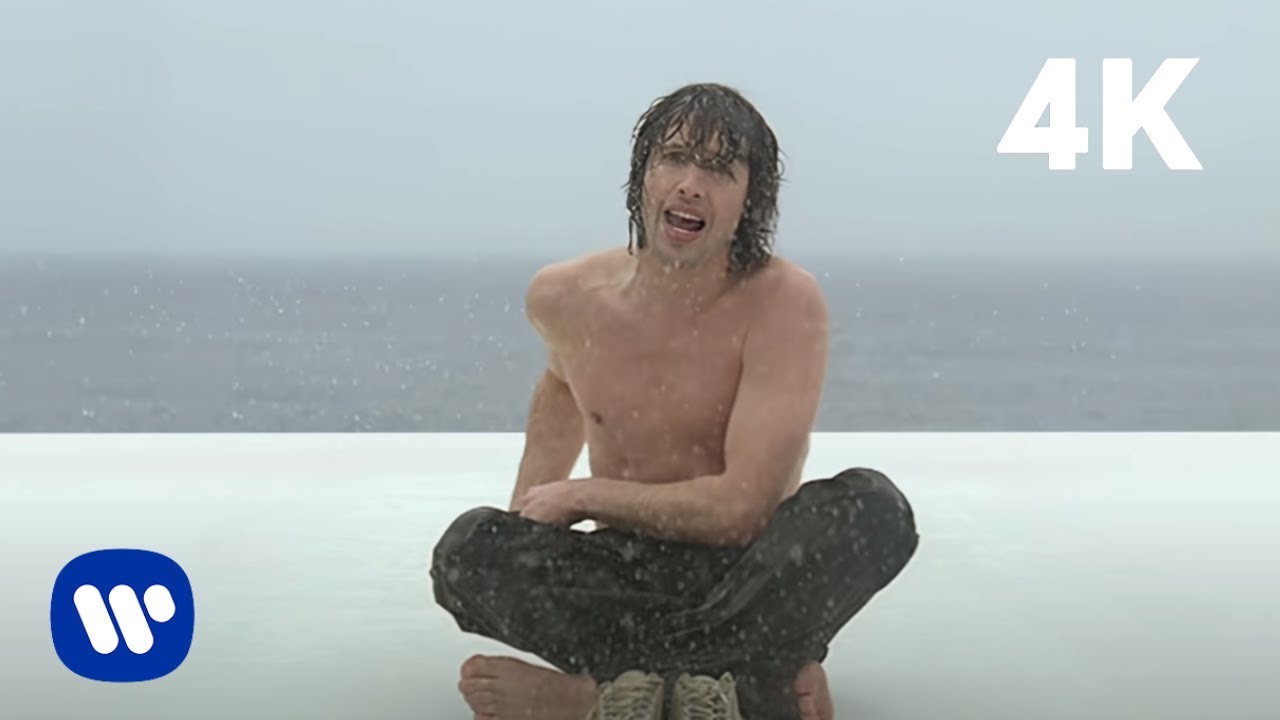
Then there’s the music video. Directed by Sam Brown, it features Blunt on a snowy cliff in Mallorca. He’s taking off his shirt, laying out his personal belongings—shoes, watch, coat—and then he jumps into the freezing water.
- The symbolism: It represents a "cleansing" or perhaps a metaphorical suicide of the ego.
- The reality: It was actually freezing. Blunt has mentioned in behind-the-scenes footage that the weather was miserable and the jump was terrifying.
- The impact: It gave the song a visual identity that felt raw. No glitz. No backup dancers. Just a guy and his coat.
That vulnerability sold the record. In an era of high-octane pop and Nu-Metal leftovers, a guy with an acoustic guitar and a polarizing falsetto was a breath of fresh air. It felt "real," even if the "real" story was about being high on a train.
The Backlash and the Blunt Renaissance
Success breeds contempt. By 2006, the song was everywhere. It was the "Macarena" of soft rock. People started to hate it. It became a meme before memes were even a thing. Blunt was ridiculed for his voice, his posh background (he was a Captain in the Life Guards and served in Kosovo), and the perceived sappiness of his lyrics.
He didn't fight it, though. This is where the story gets interesting for any modern fan.
Instead of becoming a bitter "one-hit wonder," James Blunt leaned into the joke. He became the king of Twitter (now X). If someone tweeted that they hated his music, he’d reply with something like, "And yet, I'm still richer than you." He realized that You're Beautiful by James Blunt had become a cultural touchstone, and whether people loved it or hated it, it had given him a career.
This self-awareness actually changed the public perception of the song. When you know the artist thinks the song is a bit ridiculous too, it becomes easier to enjoy it for what it is: a tightly written, incredibly emotive piece of pop songwriting. It’s not "lame" if the guy who wrote it knows it's a bit weird.
Technical Brilliance: The Production Secrets
If you listen closely to the recording on the album Back to Bedlam, there's a mistake at the beginning. Blunt starts singing the first line of the verse too early, stops, and then starts again.
Most producers would have edited that out.
Tom Rothrock kept it. Why? Because it makes the song feel human. It feels like a demo that somehow made it to the big leagues. In a world of Auto-Tune and perfect quantization, that little stutter creates an intimacy that draws the listener in. It makes you feel like you're in the room with him while he's figured out his feelings.
The song was recorded in Rothrock's Los Angeles home, not a massive corporate studio. That "bedroom pop" feel—before that was even a genre—contributed to its massive appeal. It didn't sound like it was made by a committee. It sounded like a guy with a broken heart (and a bit of a drug habit, if we're being honest) pouring his soul into a microphone.
The Legacy of a Misunderstood Anthem
So, should you still play it at your wedding?
Sure. Music is about what it means to you, not necessarily what the songwriter intended. If the song makes you feel like your partner is the most beautiful person in the room, then the mission is accomplished. But it’s worth acknowledging the layers. It’s a song about the "one that got away" because you never actually had them in the first place. It’s a song about the crushing reality that life moves on without you.
Blunt has stated he’s grateful for the song every single day. It allowed him to tour the world for twenty years. It allowed him to buy a pub in London. It allowed him to have a life he never expected.
What to take away from the story of this song:
- Context is everything. The lyrics you think are romantic might actually be a cautionary tale. Always read the second verse.
- Vulnerability wins. The "mistakes" in the recording and the raw video are what made people connect.
- Don't take yourself too seriously. Blunt's career survived the "hating James Blunt" trend because he was the first person to laugh at himself.
- Pop music is a trick. A major key melody can hide a lot of minor key sadness.
If you haven't listened to the full album Back to Bedlam in a while, it’s worth a revisit. Tracks like "Goodbye My Lover" and "High" fill out the story that started on that subway train. Just remember: next time you hear those opening chords, keep in mind that the guy singing is mostly just high and staring at a stranger. It makes the experience a whole lot more interesting.
Check your favorite streaming platform for the "Original Version" to hear the unedited lyrics that the radio didn't want you to hear. It changes the entire vibe of the song. Once you hear the "face" line, you can't un-hear it. And honestly? It makes the song better. It makes it human.
Actionable Insights for the Music Fan
If you're looking to dive deeper into why this song worked or want to apply its lessons to your own creative work, start here:
- Listen to the "Acoustic" vs "Radio Edit": Notice how the removal of one "edgy" word changed the entire commercial trajectory of the track.
- Study the Rothrock Production Style: If you're a musician, look at how he uses "imperfections" to create warmth.
- Follow Blunt on Social Media: It’s a masterclass in brand management and how to handle being "the guy who sang that one song."
- Analyze the Chord Structure: Try playing it on a guitar or piano. You'll see how the simplicity is actually its greatest strength. It’s a lesson in "less is more."



