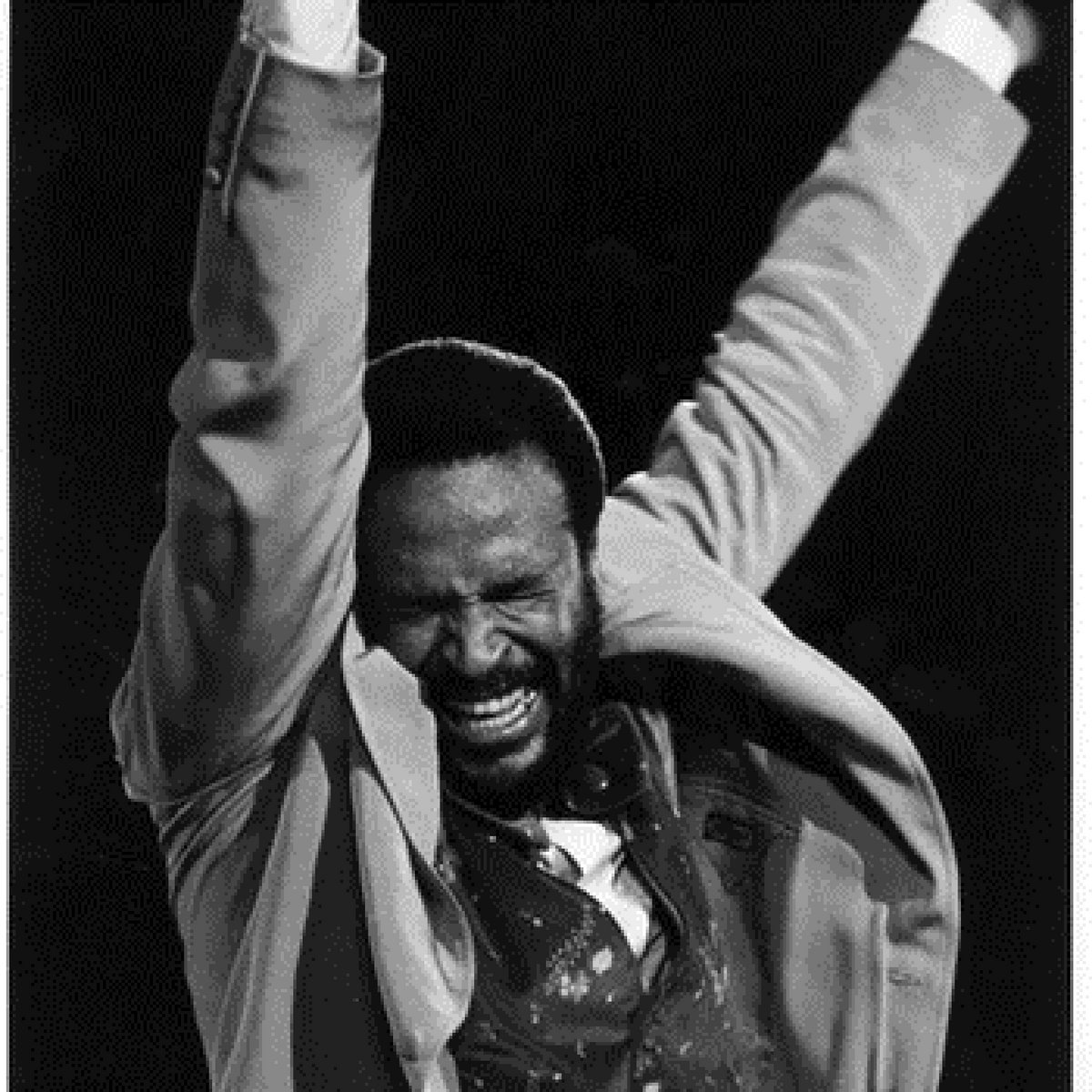
It’s 1964. Detroit is cold, but inside a converted photo studio on West Grand Boulevard, things are heating up. Marvin Gaye is standing at a mic, and he’s about to cut a track that basically defines the early Motown "stomper" sound. Honestly, if you haven’t blasted You’re a Wonderful One while driving with the windows down, you’re missing out on one of the purest shots of adrenaline in soul history.
Most people think of Marvin Gaye and immediately jump to the "Sexual Healing" era or the socially conscious masterpiece of What’s Going On. But before the beard and the protest songs, there was this sharp, energetic young man in a suit, cranking out hits that made you want to move. Expanding on this idea, you can also read: The Last Scourge of the Screening Room.
The Secret Ingredient: The Supremes
You might not realize it on the first listen, but those soaring, silky background vocals aren't just any session singers. It's actually The Supremes. Yeah, Diana Ross, Mary Wilson, and Florence Ballard were in the booth providing the "oohs" and "aahs" for Marvin.
This was back when Motown was a literal hit factory. Everyone helped everyone. Analysts at IGN have provided expertise on this trend.
The track was recorded on January 6, 1964. By February, it was on the shelves as Tamla 54093. It didn't just happen by accident; it was a calculated follow-up to "Can I Get a Witness." The production team? The legendary Holland-Dozier-Holland (H-D-H). These guys were the architects of the 60s sound.
Breaking Down the Sound
Musically, the song is a beast. The Funk Brothers—Motown's house band—basically ripped a page out of Chuck Berry’s book. If you listen to the intro of "Memphis, Tennessee," you can hear where they got the inspiration for that driving, rhythmic guitar line.
It’s got that "thump-a-rhythmic" beat that Cash Box magazine raved about at the time.
The lyrics are pretty straightforward. It’s a love letter.
"You’re really more than I deserve... you make my life a little bit brighter."
It’s sweet. It’s simple. It’s effective. Marvin’s delivery is still a bit reminiscent of Nat King Cole—smooth, rounded vowels—but you can hear that "shouting" gospel grit starting to poke through in the chorus.
Chart Success and Why It Matters
A lot of folks assume every Marvin Gaye song was a #1 hit. Not quite. You’re a Wonderful One peaked at #15 on the Billboard Hot 100 and hit #3 on the R&B charts. In the grand scheme of his career, it was a solid double rather than a home run, but it’s the song that kept his momentum alive during a pivotal year.
1964 was huge for him. He dropped five top-20 pop hits that year alone.
Think about that. Five.
The song eventually landed on the 1965 album How Sweet It Is to Be Loved by You. If you’re a vinyl collector, finding an original 1964 Tamla pressing with the "When I'm Alone I Cry" B-side is kinda like finding a little piece of soul history.
The Evolution of a Legend
What’s fascinating about this era is how much Marvin actually hated being a "pop star." He wanted to be a crooner. He wanted to be the next Frank Sinatra. You can see the tension in his early performances—he’s doing the choreography, he’s smiling for the cameras, but there’s a restless energy underneath.
"You’re a Wonderful One" represents the peak of that tension. It’s a perfect pop product, polished to a high sheen by Berry Gordy’s machine, yet Marvin’s raw talent is so big it almost bursts through the seams of the two-minute-and-forty-five-second runtime.
What Most People Get Wrong
There’s a common misconception that Marvin wrote all his early hits. He didn't. He was a performer first in the early 60s. H-D-H wrote this one, and they knew exactly how to use his range. They pushed him to sing in a higher register than he was comfortable with because it created a sense of urgency and excitement.
Another myth? That the "Wonderful One" in the song was a specific person in his life. While Marvin’s personal life was famously turbulent (especially his marriage to Anna Gordy), this track was largely a professional assignment. It was a "soundalike" designed to capitalize on his previous success.
Does that make it less authentic? No way.
The performance is 100% Marvin.
Actionable Listening Guide
If you want to really appreciate this track, don't just stream it on a tinny phone speaker.
- Find the Mono Mix: The original mono single mix has way more punch in the drums. The stereo mixes often feel a bit "airy" and lose that driving grit.
- Listen for the Bass: James Jamerson is likely the man on the bass here. Focus on how he locks in with the snare. It’s a masterclass in pocket playing.
- Compare to "Can I Get a Witness": Play them back-to-back. You’ll hear how H-D-H were iterating on a specific "stomp" formula that eventually led to the massive success of "How Sweet It Is (To Be Loved by You)."
To really dive into this era, check out The Complete Motown Singles Vol. 4: 1964. It puts the song in the context of everything else coming out of Detroit at the time. You’ll see just how far ahead of the curve Marvin and the Funk Brothers really were.
The next time this song comes on a "60s Soul" playlist, listen for Florence Ballard's voice in the background. It’s those little details—the hidden heavy hitters in the room—that make Motown the greatest musical era of all time.



